Tired eyes trace back to one of four causes: prolonged screen use, dry eye disease, an outdated or incorrect prescription, or a subtle misalignment of the eye muscles that forces constant compensation. Each cause is distinct. Most people find lasting relief once the correct one is identified. A comprehensive eye exam at OPTYX checks for all four in a single visit.
What Are Tired Eyes?
Eye fatigue, clinically called asthenopia, is the result of overworked eye muscles rather than a signal that the whole body needs rest. Your limbs can feel fully recovered while your eyes remain slow, strained, and difficult to hold open. That is the tired eyes meaning in clinical terms: a visual system pushed past its comfortable working capacity.
Normal eyes focus across distances without effort, with no aching or pulling behind the orbit. When that baseline shifts and stays shifted, something is placing more sustained demand on the visual system than rest alone can correct. Understanding this condition vs. normal eyes gives you the benchmark to recognize when yours have crossed that threshold.
What Do Tired Eyes Look Like?
Tired-looking eyes show both visible signs and internal sensations. These tired eyes symptoms cover the most common presentations:
- Eyelids feel heavy and are difficult to keep fully open.
- Vision blurs intermittently, especially when shifting focus between near and distant objects.
- Eyes appear red or bloodshot without an obvious irritant.
- A dull ache or pressure builds around the eyes or at the temples.
- Light sensitivity increases gradually through the day.
- Dryness, burning, or excessive tearing interrupts concentration.
- A pulling or tugging sensation when moving the eyes laterally.
- Difficulty holding focus while reading or tracking text on a screen.
- Frontal headaches that ease shortly after stopping screen use or closing the eyes.
- Eyes look tired and older than usual, with visible puffiness or reduced brightness in the conjunctival surface.
"Why do we rub our eyes when tired" and "why do babies rub their eyes when tired" share the same neurological answer: the pressure triggers mechanoreceptors that briefly override discomfort signals, providing momentary relief without addressing the underlying cause.

Why Do My Eyes Feel Tired?
The four causes below account for most cases of eye fatigue. They can stack on top of each other, which is why fixing only one source of strain often provides partial relief at best.
Screen Time and Digital Eye Strain
Extended screen use cuts blink rate significantly and locks the eyes at a fixed focal distance for hours. Fewer blinks dry the tear film. A compromised film then requires more muscular effort to maintain focus, and that effort accumulates into fatigue by mid-afternoon. This cycle explains why eyes feel tired and heavy after a standard workday at a monitor.
Left unmanaged, this pattern typically escalates into digital eye strain, adding persistent headaches and concentration difficulty that linger well after the screen is off.
Dry Eye Disease
A healthy tear film lubricates the ocular surface with every blink. When the film is thin or unstable, friction replaces lubrication and the compensatory muscular effort that follows is exhausting. Dry eye is both a standalone driver of this condition and an amplifier of every other visual demand present at the same time.
Someone with mild prescription drift and mild dry eye may feel as fatigued as someone with a severe version of either condition alone.
An Outdated or Uncorrected Prescription
The ciliary muscle inside the eye adjusts the crystalline lens to bring objects into focus. When the prescription is off, that muscle never fully releases because light is not arriving cleanly at the retina. By midday, the accumulated effort shows in heavy, strained eyes.
This is one of the most overlooked reasons why eyes are always tired, particularly in people who have not had an exam in two or more years.
Eye Muscle Misalignment
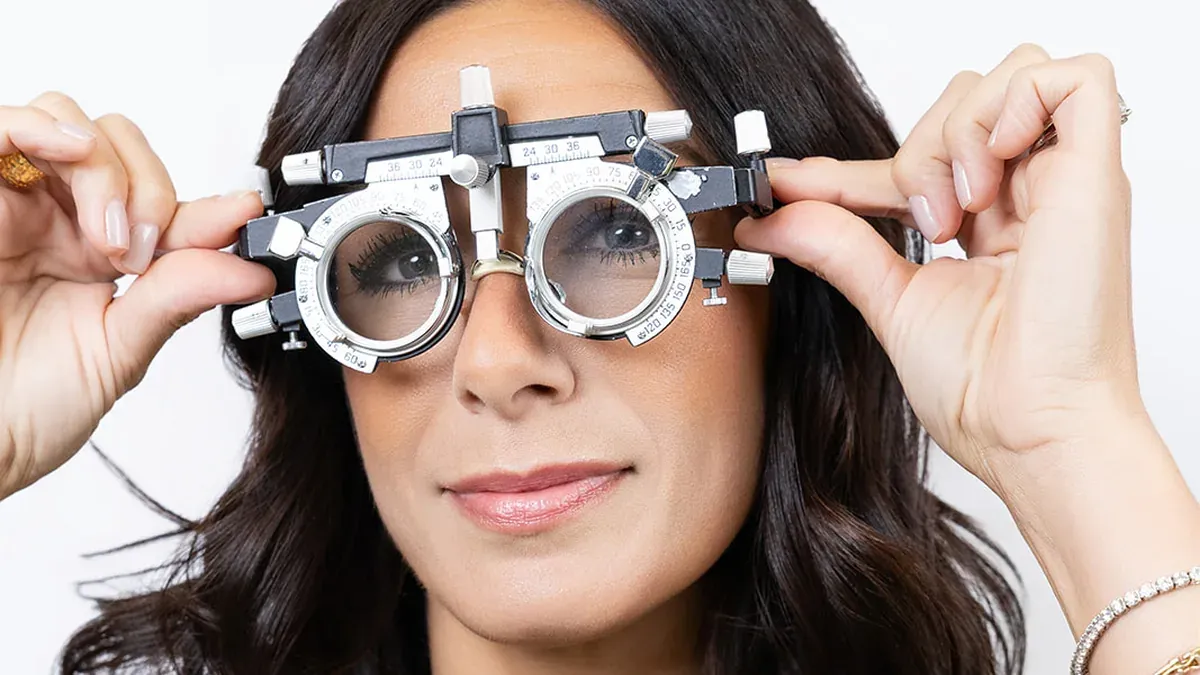
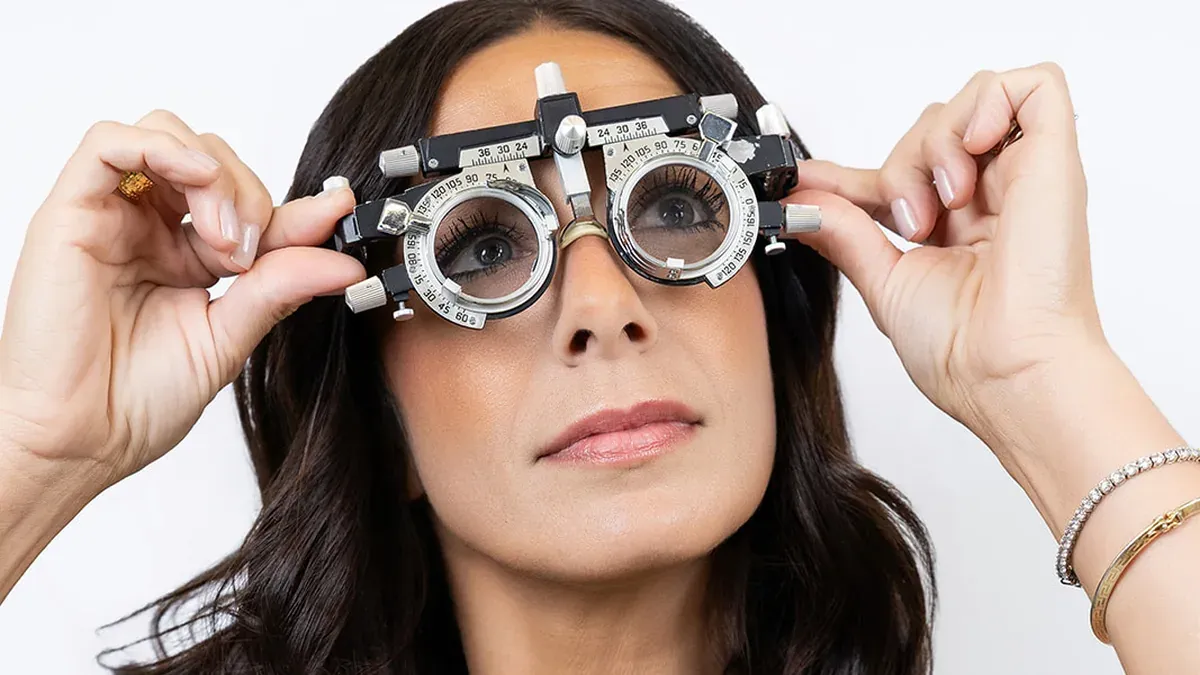
A meaningful portion of people have heterophoria, in which the eyes rest at slightly different angles and must continuously self-correct to maintain a single fused image. This invisible work produces chronic eye fatigue, frontal headaches, and difficulty concentrating, often with no obvious vision complaint the person can name.
OPTYX optometrists measure this misalignment directly. Where it is present, Neurolens contoured prism lenses are incorporated into the chosen frame alongside the standard prescription, reducing the constant compensatory load that drives chronic fatigue.
Why Do My Eyes Feel Tired But My Body Doesn't?
"Why do my eyes feel tired but not my body?" is one of the most common questions optometrists hear. When the body has rested but eyes still feel heavy and strained, the cause is visual rather than systemic. Eye muscles do not recover the way skeletal muscles do during general rest; they respond only when the specific visual demand driving their overwork is removed or corrected.
The most common culprits are prolonged screen work, an undetected prescription change, and eye muscle misalignment. All three impose sustained oculomotor demand regardless of sleep quality. Recognizing this distinction is what turns that frustrating, unexplained pattern into something a targeted exam can actually solve.

Why Are My Eyes Tired Even After a Full Night's Sleep?
If you keep asking, "why do my eyes always feel tired?" even after adequate sleep, those eyes are signaling an ongoing condition, not simple tiredness. Sleep restores the body but cannot replenish a depleted tear film, correct a refractive error, or relieve the mechanical tension of binocular misalignment.
If eyes always feel tired regardless of how much you slept, that consistency is a diagnostic signal worth bringing to an optometrist. The three most frequent causes are dry eye disease, a shifting or uncorrected prescription, and binocular vision strain. Each requires a targeted solution, not more rest.
Tired Eyes vs. Dry Eyes: How to Tell the Difference
Both conditions frequently overlap, which is why people often treat one and find the other unchanged. This comparison is the only one available within a tired-eyes context, and it directly addresses why standard relief measures sometimes fall short:
| Feature | Eye Fatigue | Dry Eye Disease |
|---|---|---|
| Primary sensation | Aching, heavy, pulling | Burning, stinging, gritty |
| Onset | Builds over hours of visual demand | Present from waking; worsens in dry or heated air |
| Blink pattern | Reduced during screen use | Irregular; rapid blinking gives brief relief |
| Time of day | Worst in the evening | Often worst in the morning or low-humidity settings |
| Vision blur | Clears after deliberate blinking | Clears briefly, then returns within seconds |
| What helps | Rest and screen breaks | Lubricating drops, humidified air |
| When both are present | Fatigue worsens significantly | Dry eye amplifies all other strain |
The critical point: dry eye and tired eyes frequently co-exist. Treating one without addressing the other rarely resolves the problem fully.

How to Relieve Tired Eyes
These steps reduce eye fatigue during the day. They work best once you know which cause is driving your symptoms.
- Follow the 20-20-20 rule: every 20 minutes, focus on something at least 20 feet away for 20 seconds to release the ciliary muscle.
- Blink deliberately and completely during screen use to maintain tear film coverage.
- Position your screen at or slightly below eye level, roughly an arm's length from your face.
- Match screen brightness to the ambient light in the room rather than leaving it at maximum.
- Lubricating drops may help if dryness accompanies fatigue; a clinician will recommend the appropriate type for your tear film after an assessment.
- Take a full break from near work every 90 minutes; two minutes with closed eyes is enough to reset the cycle.
- Adjust overhead lighting to eliminate glare on the screen surface.
When tired eyes persist beyond a few days or return without a clear trigger, an eye exam at OPTYX gives precise answers. Book an Eye Exam to find out what is driving your symptoms.
When Should I See a Doctor About Tired Eyes?
Schedule an eye exam when these symptoms recur daily, do not resolve with rest, or arrive alongside any of the signs below. These warrant prompt evaluation, not a "wait and see" response.
A 2024 review by Alryalat et al. in Neurologic Clinics suggested that eye pain can be related to neurological or systemic conditions, and that formal ophthalmic consultation is recommended when eye pain is the predominant complaint and red flags for more serious pathology are present.
Red flags that call for prompt or same-day evaluation:
- Double vision at any distance, even briefly.
- Sudden blur that was not present before.
- Sharp, stabbing, or persistent eye pain.
- Light sensitivity that develops rapidly rather than building over hours of screen use.
- A new floater or flash of light in the peripheral field.
- Headache with a character different from your usual screen-related pattern.
- Difficulty moving the eye through its full range of motion.
- Any vision change alongside facial numbness, weakness, or coordination difficulty.
These symptoms exceed ordinary tired eyes and require a clinician to rule out what cannot wait.
Book an Eye Exam at OPTYX
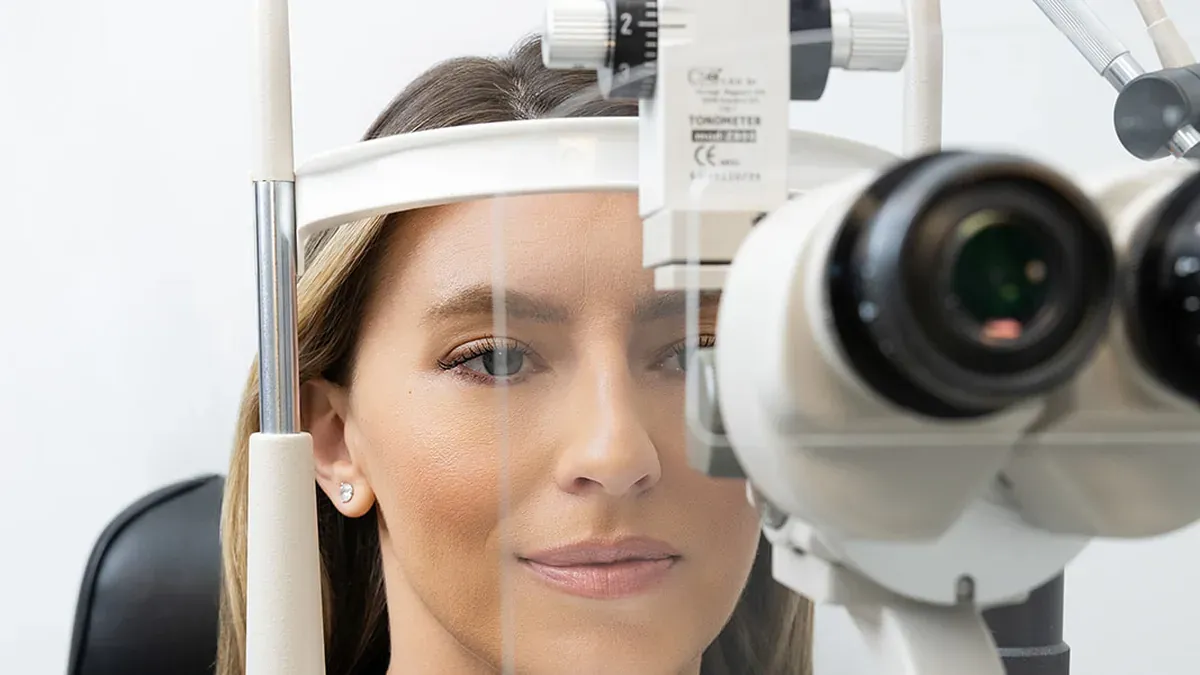
A comprehensive exam at OPTYX covers screen-related strain, dry eye, prescription accuracy, and eye alignment in a single visit, providing precise answers for persistent eye fatigue. OPTYX optometrists serve patients across Manhattan, Long Island, the North Fork, the Hamptons, and Westchester. OPTYX has been Framing New Yorkers Since 1971.
Book an Eye Exam and find out exactly what your eyes need.
Sources
- Alryalat SA et al. (2024). Painful Eyes in Neurology Clinic: A Guide for Neurologists. Neurologic Clinics. PubMed