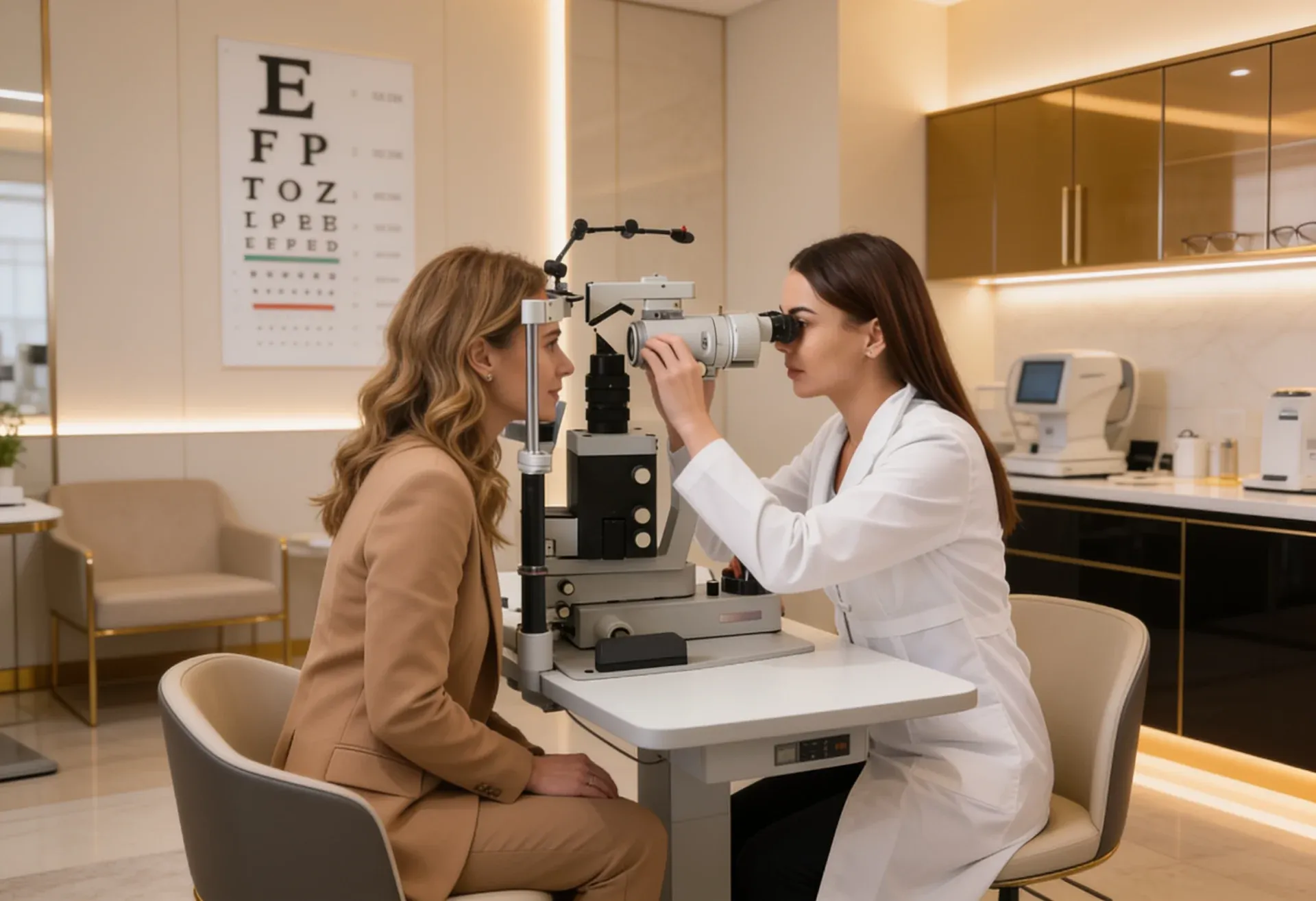
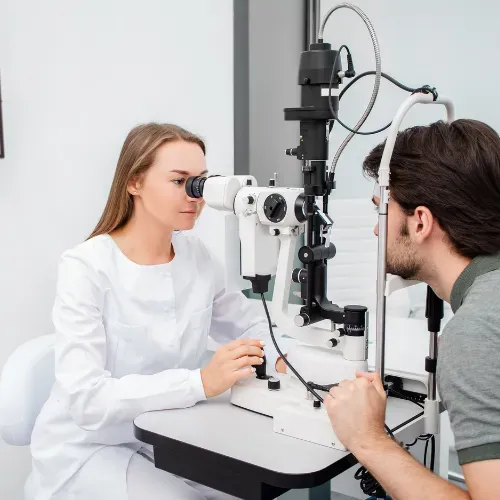
Most people’s initial connections to eye tests are those of looking for refractive issues like nearsightedness or farsightedness. Still, eye tests have significantly more power than they just measure in terms of vision acuity. Actually, early detection and diagnosis of many neurological diseases depend considerably on eye tests for neurological diseases, which have evolved to be a remarkable tool. Using the intricate link between the eyes and the brain, an optometrist or ophthalmologist can spot signs of significant medical disorders that might otherwise be invisible until they have progressed rather conspicuously.The Value of Frequent Eye Tests For Neurological Disorders
Apart from maintaining vision acuity, regular eye tests for neurological disorders are absolutely essential for early diagnosis of important medical conditions including neurological ailments. These tests serve to identify issues that might not yet present obvious symptoms and provide a comprehensive assessment of eye condition. Frequent eye tests for neurological disorders enable the discovery of conditions including glaucoma, diabetic retinopathy, even early stages of brain tumors or multiple sclerosis, therefore enabling early diagnosis and therapy. Giving frequent eye tests for neurological disorders top priority can assist to guarantee that any potential problems are addressed immediately, therefore supporting general health and well-being.
Types of Eye Tests for Neurological Disorders
Several kinds of eye tests can aid in the diagnosis of neurological conditions. eye Tests for neurological disorders concentrate on many facets of the eye and their relationship to neurological state. Among the most often used and potent eye examinations are:
1. Optical Coherence Tomography, or OCT
By means of light waves, a non-invasive imaging method known as optical coherence tomography produces finely detailed images of the retina. OCT exposes any structural flaws probably caused by neurological illnesses by providing a cross-sectional picture of the retina. Retinal nerve fiber changes may be clear-cut for patients with multiple sclerosis (MS), for example as the condition might compromise the optic nerve.

2. Fundus Photography Eye Tests For Neurological Disorders
Using fundus photography, painstakingly photographed are the retina, optic disc, and blood vessels in the eye. Frequised in search of retinal disorders such diabetic retinopathy, macular degeneration, or retinal artery occlusion—which can be linked with neurological diseases—this test is Variations in the appearance of the optic disc—such as swelling or atrophy—may indicate either a brain tumor or a rise in intracranial pressure.
3. Visual Field Testing
By measuring a person’s peripheral vision, visual field tests help to pinpoint any regions where vision is lost or distorted. The brain controls the visual field; thus, injury to the brain—that resulting from a stroke, brain tumor, or neurological disease—may produce deficiencies in the visual field.
For example, homonymous hemianopia—that is, partial blindness in one side of the visual field—may follow from an occipital lobe stroke. Likewise, distinct patterns of vision loss caused by brain tumors or lesions in the visual pathways can be seen on visual field tests.

4. Pupillary Light Reflex Test
An easy eye tests for neurological disorders, the pupillary light reflex test gauges pupil response to light. Essential for neurological health, the optic nerve and brainstem can be much revealed by this test.
An aberrant reaction to light—such as an unresponsive pupil or a slow reaction—may point to injury to the optic nerve or a neurological problem influencing the brainstem. Problems with the pupillary light reflex, for instance, could indicate brainstem lesions, intracranial hypertension, or some forms of brain damage.
How Eye Tests For Neurological Disorders Can Help
Early diagnosis of several major diseases, including brain tumors, multiple sclerosis, stroke, and neurodegenerative diseases like Alzheimer’s, depends critically on eye tests for neurological disorders. The following are some main ways eye tests for neurological disorders support the diagnosis:
1. Identifying Brain Tumors
Some neurological diseases, including brain tumors, can affect the eye and increase pressure inside the skull. Among the most regularly occurring signs of increasing intracranial pressure is papilledema, sometimes known as swelling of the optic nerve head. Optometrists recognizing this condition during a fundus check makes early referral to a neurologist for further testing possible.
Sometimes, especially in conjunction with other neurological disorders such headaches, vision problems, or cognitive impairment, aberrant blood vessel patterns in the retina could potentially suggest the presence of a brain tumor.
2. Monitoring Multiple Sclerosis
The chronic autoimmune condition known as multiple sclerosis (MS) compromises the central nerve system. Optic neuritis is one of the visual problems that MS can bring about by inflamed and damaged optic nerve. Diagnosing MS and tracking its development depend critically on eye tests for neurological disorders like OCT and visual evoked potentials.
Early detection of optic nerve injury enables eye exams to assist in illness monitoring and treatment option evaluation by means of which optometrist may evaluate their efficacy. For MS patients, regular eye tests for neurological disorders can also assist identify fresh lesions or relapses, therefore offering vital information for disease management.
3. Identifying Stroke or Vascular Changes
Other cerebrovascular events including strokes can produce visual problems and impairments. Particularly if the damage occurs in the visual pathways of the brain, a visual field test can find blind patches or field abnormalities in the eyesight that might follow from a stroke.
Retinal imaging conducted using OCT or fundus photography can also spot abnormalities in the retinal blood vessels that might point to a stroke or other vascular event in the brain. Conditions include high blood pressure or atherosclerosis, which raise the risk of stroke, might be indicated by blood vessel anomalies including damaged or restricted arteries.
4. Detecting Neurodegenerative Diseases
Diseases include neurodegenerative ones like Parkinson’s disease and Alzheimer’s disease can compromise the brain’s capacity to interpret visual data.
Changes in the retina, such as a weakening of the retinal nerve fiber layer, appear in Alzheimer’s and might serve as early disease biomarkers. Before major cognitive deterioration can place, eye tests for neurological disorders could offer important new perspective on these problems.
Conclusion
Early diagnosis and treatment of many different neurological diseases depend critically on eye testing for those problems. Eye tests for neurological disorders can provide important information about brain health that might not otherwise be observed by looking at the health of the retina, optic nerve, and visual pathways. From identifying brain tumors to tracking disorders including multiple sclerosis, stroke, and neurodegenerative illnesses, these tests provide a great benefit in early diagnosis of neurological disorders thereby enabling fast treatment and better patient outcomes.
See a thorough eye exam including eye tests for neurological disorders if your vision is changing, you have headaches, or other neurological symptoms. Effective management of these disorders and enhancement of your general quality of life depend on early identification. Optyx provides the most cutting-edge diagnostic technologies and a team of knowledgeable experts committed to your health and well-being for the best eye tests.