
If you or someone you love has been diagnosed with glaucoma, you might be wondering: can glasses help glaucoma? At OPTYX, we hear this question often from patients across our New York locations. Many people also ask, do glasses help with glaucoma or is it just wishful thinking?
The short answer is nuanced. While regular glasses cannot cure glaucoma or restore vision that has already been lost, certain types of specialized eyewear can help manage some symptoms and improve quality of life. Let’s break down what you need to know.
Do Glasses Help Glaucoma or Reverse the Damage?
Here’s the honest truth: no glasses, contacts, or eyewear can cure glaucoma or bring back vision that the condition has taken. So, can glasses help glaucoma in terms of reversing damage? Unfortunately, no. Glaucoma damages the optic nerve, and once that damage occurs, it cannot be undone with corrective lenses. If you’re unfamiliar with this condition, check out these important facts about glaucoma to understand how it affects your eyes.
However, this does not mean glasses are useless for people with glaucoma. When asking do glasses help with glaucoma, it’s important to understand they serve a different purpose than treating the disease itself. If you have glaucoma along with nearsightedness, farsightedness, or astigmatism, you will still benefit from prescription glasses to correct those refractive errors.
The key takeaway? Glasses can help you see more clearly with the vision you have, but they cannot protect or restore what glaucoma has affected.
Types of Glasses That Help Glaucoma Patients
While standard glasses will not treat glaucoma, do glasses help glaucoma patients in other ways? Yes, several specialized options may improve daily life for those living with the condition.
Prism Glasses for Peripheral Vision Loss
One of glaucoma’s most common effects is peripheral (side) vision loss. Prism glasses use special lenses that bend light to shift images from your blind spots into your remaining field of vision. Research has shown that these glasses can expand peripheral awareness by over 15 degrees.
Prism glasses require fitting by a low vision specialist and take some time to adjust to. They will not stop glaucoma from progressing, but they can help with mobility, navigation, and avoiding obstacles.
Tinted Lenses for Light Sensitivity
Studies show that nearly 70% of glaucoma patients experience increased sensitivity to light and glare. Amber, brown, and yellow-tinted lenses can help by:
- Reducing glare from bright lights
- Improving contrast sensitivity
- Making it easier to see in varied lighting conditions
- Reducing eye strain and fatigue
If you find yourself squinting in sunlight or struggling with overhead lights, tinted lenses might make a real difference in your comfort.
Photochromic (Transition) Lenses
For glaucoma patients who move between indoor and outdoor environments frequently, photochromic lenses that automatically adjust to light levels can be particularly helpful. They darken in bright conditions and clear up indoors, providing convenience without needing to switch between glasses.

What Sunglasses Help with Glaucoma Symptoms?
When considering do glasses help with glaucoma symptoms like light sensitivity, sunglasses play an important role. Here are features to prioritize when choosing sunglasses:
- 100% UV Protection: Look for lenses labeled UV400 or “100% UV protection” to block harmful ultraviolet rays
- Polarized Lenses: These reduce glare from reflective surfaces like water, roads, and snow
- Wraparound Styles: Frames that curve around your face block light from entering at the sides
- Anti-Reflective Coating: Reduces distracting reflections on the back of your lenses
- Larger Frames: More coverage means more protection from ambient light
So can glasses help glaucoma patients feel more comfortable? Absolutely. The right sunglasses will not slow glaucoma progression, but they can significantly improve comfort and reduce the strain that light sensitivity causes.
Why Early Detection Matters More Than Glasses
While we’ve discussed how glasses help glaucoma patients manage symptoms, here’s what often gets lost in this conversation: by the time you need specialized eyewear, significant vision loss may have already occurred.
Glaucoma is called the “silent thief of sight” because it typically causes no pain or noticeable symptoms in its early stages. Most people do not realize anything is wrong until they have already lost peripheral vision.
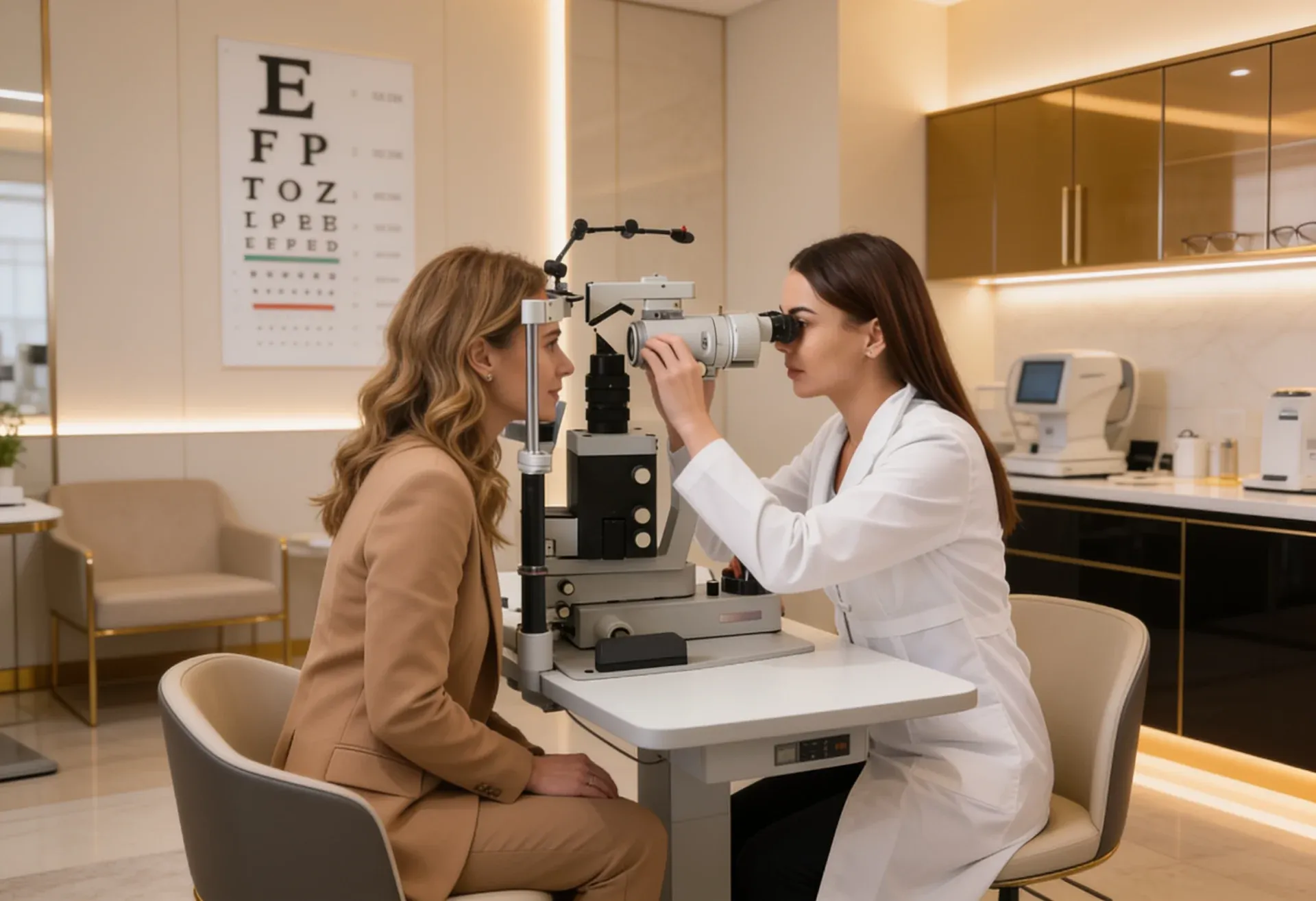
This is why regular comprehensive eye exams are so important. During a thorough eye exam, your optometrist can measure your eye pressure, examine your optic nerve, and test your peripheral vision to catch glaucoma before it steals your sight. Learn more about glaucoma eye exams at Optyx and what to expect during your visit.
Our comprehensive eye exams include advanced Optos ultra-widefield retinal imaging technology. This allows our optometrists to see up to 82% of your retina in a single image, compared to just 10-15% with traditional methods. This wider view helps detect early signs of glaucoma and other conditions in areas that standard exams might miss.
The best approach for glaucoma is catching it early. When detected in its earliest stages, glaucoma can often be managed with medication, laser treatments, or other interventions that preserve your remaining vision.

Do Glasses Help Glaucoma? When to See Your Optometrist
Now that you understand how can glasses help glaucoma patients, the most important step is staying on top of your eye health. If you have glaucoma or risk factors for the condition, you should schedule an appointment if you:
- Have a family history of glaucoma
- Are over 40 years old
- Have not had a comprehensive eye exam in the past year
- Notice any changes in your peripheral vision
- Experience increased light sensitivity or glare
Do not wait until you notice symptoms. By then, irreversible damage may have already occurred.
Beyond Glasses: Take the Next Step for Your Eye Health
So, do glasses help with glaucoma? They can help manage symptoms like light sensitivity and peripheral vision loss, but they cannot cure or reverse the condition. The real answer to can glasses help glaucoma is that early detection and ongoing monitoring matter far more than any eyewear.
Ready to take care of your eye health? Book your eye exam at Optyx today or find a location near you. With 14 convenient locations across New York City, Westchester, and Long Island, quality eye care is closer than you think.