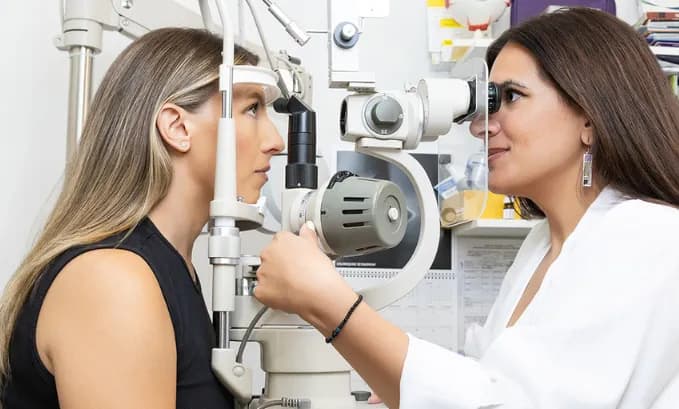

Glaucoma is a group of eye conditions that damage the optic nerve, which is vital for good vision. This damage is often caused by abnormally high pressure in your eye. Glaucoma is one of the leading causes of blindness for people over the age of 60. However, blindness from glaucoma can often be prevented with early detection and treatment. This is where advanced technologies, such as those developed by Optos®, play a crucial role in modern eye care.
The disease affects millions of people worldwide, yet many remain unaware they have it until significant vision loss has occurred. This silent progression makes glaucoma particularly dangerous, earning it the nickname “the silent thief of sight.” The challenge lies in detecting the disease before irreversible damage occurs, which is where innovative imaging technologies become invaluable.
The Importance of Early Detection
Early detection of glaucoma is essential to prevent vision loss. The disease often progresses without noticeable symptoms until significant damage has occurred. Regular eye exams that include tests for glaucoma are crucial for maintaining optimal eye health. Traditional screening methods, while valuable, have limitations in detecting the earliest stages of the disease.
Optos® technology offers a significant advantage in the early detection of glaucoma. The ultra-widefield (UWF) retinal imaging technology developed by Optos® allows eye care professionals to see more of the retina in a single image, which is critical for identifying early signs of glaucoma. This comprehensive view enables clinicians to spot subtle changes that might be missed with conventional examination techniques.
How Optos® Technology Works
Optos® technology provides a comprehensive view of the retina, which is essential for diagnosing and managing glaucoma. The Optos® devices capture up to 200 degrees of the retina in a single image, compared to the limited 45-degree view provided by traditional imaging methods. This revolutionary approach uses scanning laser ophthalmoscopy to create detailed, high-resolution images of the retinal surface.
The technology employs multiple wavelengths of light to penetrate different layers of the retina, providing unprecedented detail of retinal structures, blood vessels, and the optic nerve head. By using Optos® technology, eye care professionals can detect changes in the retina that may indicate the presence of glaucoma much earlier than with conventional methods.

Glaucoma Optos®: Enhancing Diagnostic Capabilities
The integration of Optos® technology in glaucoma management has revolutionized the way eye care professionals approach this disease. The ability to capture a detailed image of the retina allows for better monitoring of the optic nerve, which is crucial in glaucoma management. The glaucoma Optos® approach ensures that any changes in the optic nerve are detected early, allowing for timely intervention and treatment planning.
This enhanced diagnostic capability is particularly valuable for patients with risk factors such as family history, elevated intraocular pressure, or certain ethnic backgrounds that predispose them to glaucoma. The glaucoma Optos® methodology provides objective documentation that can be compared over time, enabling precise monitoring of disease progression.
The comprehensive imaging provided by glaucoma optos® technology also allows for better patient education. When patients can see detailed images of their own retinas and understand the changes associated with glaucoma, they become more engaged in their treatment and more likely to comply with recommended therapies.
Benefits of Optos® Technology in Glaucoma Management
Comprehensive Imaging: Optos® technology provides a comprehensive view of the retina, which is essential for diagnosing and managing glaucoma. The ability to see more of the retina in a single image allows for better detection of changes that may indicate glaucoma, including peripheral retinal abnormalities that might be missed with traditional methods.
Early Detection: The Glaucoma Optos® approach allows for earlier detection of glaucoma, which is crucial for preventing vision loss. By detecting the disease early, eye care professionals can implement treatment plans that slow the progression of the disease and preserve more vision over time.
Enhanced Monitoring: The Optos® glaucoma methodology provides enhanced monitoring of the optic nerve and retinal structures, allowing for better management of the disease. This is particularly important for patients with a family history of glaucoma or other risk factors that increase their likelihood of developing the condition.
Improved Patient Outcomes: By using the glaucoma optic nerve optos® approach, eye care professionals can improve patient outcomes by detecting and treating glaucoma earlier. This can prevent significant vision loss and improve the quality of life for patients, allowing them to maintain independence and continue enjoying activities they value.
Non-Invasive Procedure: Unlike some traditional glaucoma screening methods, Optos® imaging is completely non-invasive and typically does not require pupil dilation. The procedure is quick, comfortable, and allows patients to return to normal activities immediately after the examination.

Frequently Asked Questions
What makes Optos® technology superior to traditional glaucoma screening methods?
Optos® technology captures up to 200 degrees of the retina in a single image, compared to the 45-degree view of traditional methods, allowing for earlier detection of glaucomatous changes.
Is the Optos® imaging procedure uncomfortable?
No, Optos® imaging is quick, non-invasive, and typically does not require pupil dilation, making it very comfortable for patients.
How often should I have Optos® imaging for glaucoma screening?
The frequency depends on your risk factors and your eye care professional’s recommendations, but annual screening is generally recommended for those at higher risk.
Can Optos® detect other eye conditions besides glaucoma?
Yes, Optos® technology can detect various retinal conditions, including diabetic retinopathy, macular degeneration, and retinal detachments.
Will my insurance cover Optos® imaging?
A: Coverage varies by insurance provider and plan. Check with your insurance company and eye care provider regarding coverage for advanced imaging services.
Conclusion
The integration of Optos® technology in the management of glaucoma has transformed the way this disease is diagnosed and treated. The ability to capture a comprehensive image of the retina allows for earlier detection and more effective management of glaucoma. By focusing on the health of the optic nerve and providing detailed retinal imaging, Optos technology gives eye care professionals the tools they need to prevent vision loss and improve patient outcomes.
For those concerned about glaucoma or interested in learning more about how Optos® technology can benefit their eye health, OPTYX New York offers comprehensive eye care services with state-of-the-art diagnostic equipment. Their team of skilled optometrists is equipped with the latest Optos® technology to provide the best possible care for their patients.
Don’t wait for symptoms to appear before taking action to protect your vision. Schedule your comprehensive eye examination today and experience the difference that advanced Optos® technology can make in your eye care.