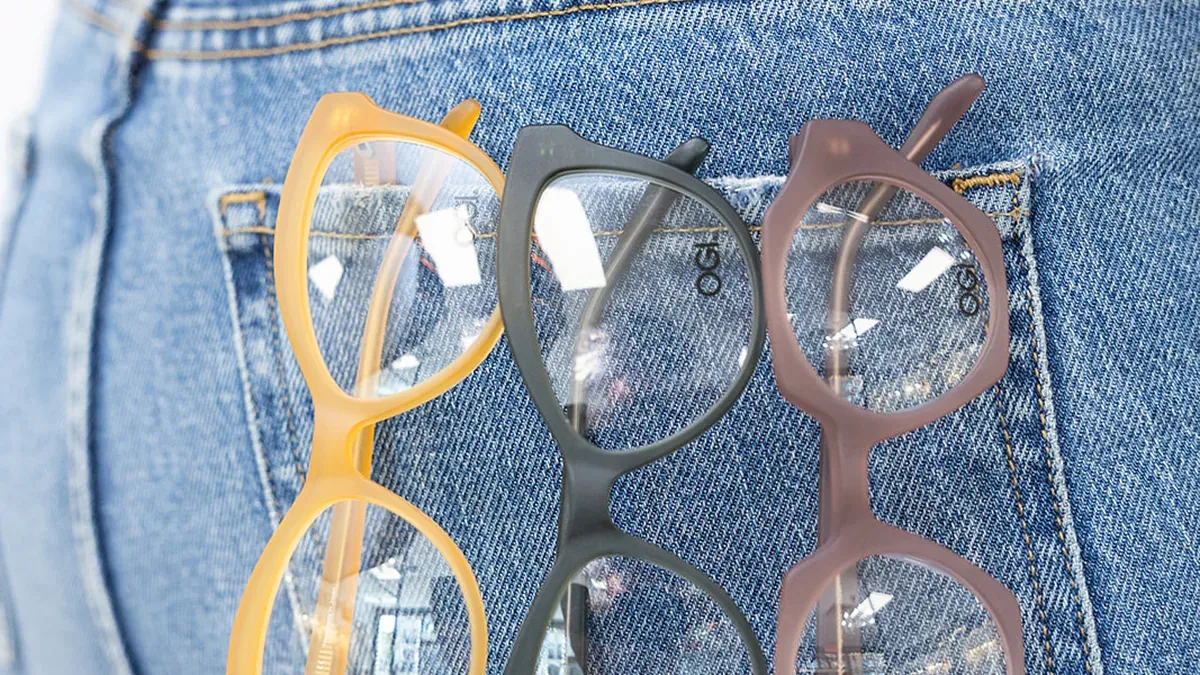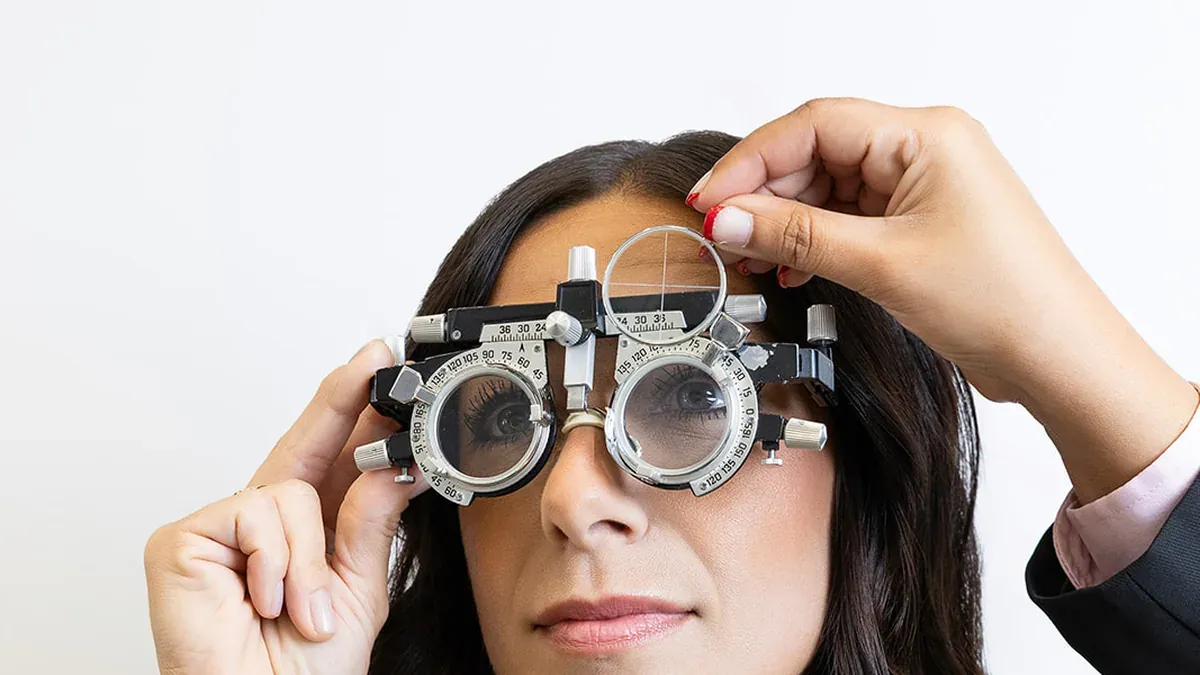

Yellow lens sunglasses filter short-wavelength blue light, sharpen contrast in low and overcast light, and reduce glare during outdoor activities. They perform best in diffuse, low-contrast conditions: cloudy days, fog, dawn, and dusk. Bright midday sun calls for a darker, neutral lens instead. If you're unsure whether a tinted lens suits your vision, an eye exam at OPTYX helps clarify the right choice for your prescription and lifestyle.
When Should You Wear Yellow Tinted Lenses?

They earn their advantage in specific conditions. They are not designed to replace standard dark lenses for strong sunlight. The table below details yellow tinted lenses benefits and limits by lighting condition.
| Condition | Good Fit? | Why |
|---|---|---|
| Overcast or hazy day | Yes | Boosts contrast in flat, diffuse light |
| Dawn or dusk driving | Yes | Sharpens road edges and markings in low ambient light |
| Fog | Yes | Improves distance clarity through haze |
| Indoor sports (shooting, racquetball) | Yes | Enhances target contrast under artificial lighting |
| Bright midday sun | No | Insufficient darkening; gray or green lenses suit better |
| Night driving with oncoming headlights | Partial | Improves ambient contrast; does not block directional glare |
For trail running, cycling, and water sports, sport sunglasses with contrast lenses give you the full combination of secure fit, coverage, and tint performance.
Are Yellow Lens Sunglasses Good for Your Eyes?

They can genuinely benefit your vision in the right context. The tint improves contrast and depth perception in flat or low-contrast lighting, which makes tasks easier: tracking a trail, reading a slope, or spotting a ball against a gray overcast sky.
The critical point is UV protection. Tint alone does not block ultraviolet radiation. Any pair you buy should carry a certification confirming full UVA and UVB blockage. Prolonged unprotected UV exposure is associated with cataracts and macular degeneration over time.
Check the label before purchase, or ask a certified OPTYX optician which lens meets both performance and protection standards.
What Is the Difference Between Yellow and Amber Lenses?
Yellow and amber lenses belong to the same family of contrast enhancing lenses. The key difference is tint depth.
Yellow lenses are lighter. They suit very low light conditions: indoor shooting ranges, twilight hikes, early-morning cycling. You get a contrast edge without heavy darkening. Amber lens glasses carry a deeper, warmer pigment. Amber blocks more blue light across a broader range of the spectrum, which makes amber polarized sunglasses a strong choice for fishing on bright but overcast water, skiing, or driving through heavy haze.
Yellow-green lenses occupy a middle ground. The slight green component adds a small UV-absorbing layer while preserving most of the contrast benefit. They are common in cycling and shooting sport glasses where both contrast and color accuracy matter.
Both types filter blue light. Amber simply extends that filtration further. If most of your outdoor time falls in heavy haze or on reflective surfaces, amber works harder for you. For general overcast conditions or indoor use, standard yellow lenses typically cover the need.
Are Yellow Glasses Good for Computer Use?
Yes, within real limits. Extended screen sessions can contribute to digital eye strain: headaches, blurred near vision, and sore eyes after hours of close focus work. Yellow glasses and blue light blocking glasses both target the short-wavelength part of the spectrum that digital screens emit.
Screen users frequently report less eye fatigue and better perceived contrast during evening work sessions when wearing a yellow or amber tint.
The practical caveat: a deep yellow tint shifts color perception noticeably. Photo editing, design work, and any task requiring accurate color rendering become unreliable when the lens adds a warm cast. For those applications, a nearly clear blue-light filter is a more accurate tool.
For general browsing, writing, or casual screen use, yellow lens sunglasses are a reasonable choice. If eye fatigue persists despite tinted lenses, the underlying cause may be an outdated prescription rather than a light spectrum issue. An optometrist can determine whether a lens update resolves the problem.
Do Yellow Lens Sunglasses Help with Driving at Night?

This is the most common question about yellow glasses for driving and other low-light use, and the answer depends on what kind of low light you mean.
The lenses improve contrast in low-ambient-light conditions: dawn, dusk, and fog. That contrast boost helps distinguish road markings, edges, and pedestrians in flat, diffuse light. Real benefit. Limited scope.
True nighttime driving is a different scenario. Oncoming headlights produce direct, unpolarized glare, which polarized lenses do not block. Polarized lenses reduce reflected glare from horizontal surfaces such as wet roads, a separate problem.
Yellow lenses do not carry that property. For genuine nighttime glare, anti-reflective coatings applied to a standard or prescription lens typically outperform a yellow tint. Speak with an OPTYX optometrist about anti-reflective lens treatments if nighttime glare is your primary concern.
Style and Frame Considerations
Yellow tinted sunglasses have made a clear comeback in recent seasons. The fashion interest is partly driven by nostalgia for 1990s eyewear and partly by growing awareness of the benefits of yellow glasses in everyday overcast conditions. The warm hue suits classic round frames and contemporary geometric shapes. It flatters most skin tones in natural daylight.
OPTYX carries sunglasses from its designer brands, including options with yellow and amber tinted lenses and polarized upgrades. For advice on frame fit and lens pairing, an in-store consultation with an OPTYX optician is the most direct route to a choice that suits your face and your day.
Book an Eye Exam
If you're considering this lens type for daily wear or outdoor use, Book an Eye Exam with an OPTYX optometrist to confirm the right tint, UV certification, and prescription pairing for your needs.