This National Sunglasses Day, Don’t Just Protect Your Skin-Protect Your Eyes
You remember sunscreen. You wear a hat. But have you thought about protecting your eyes?
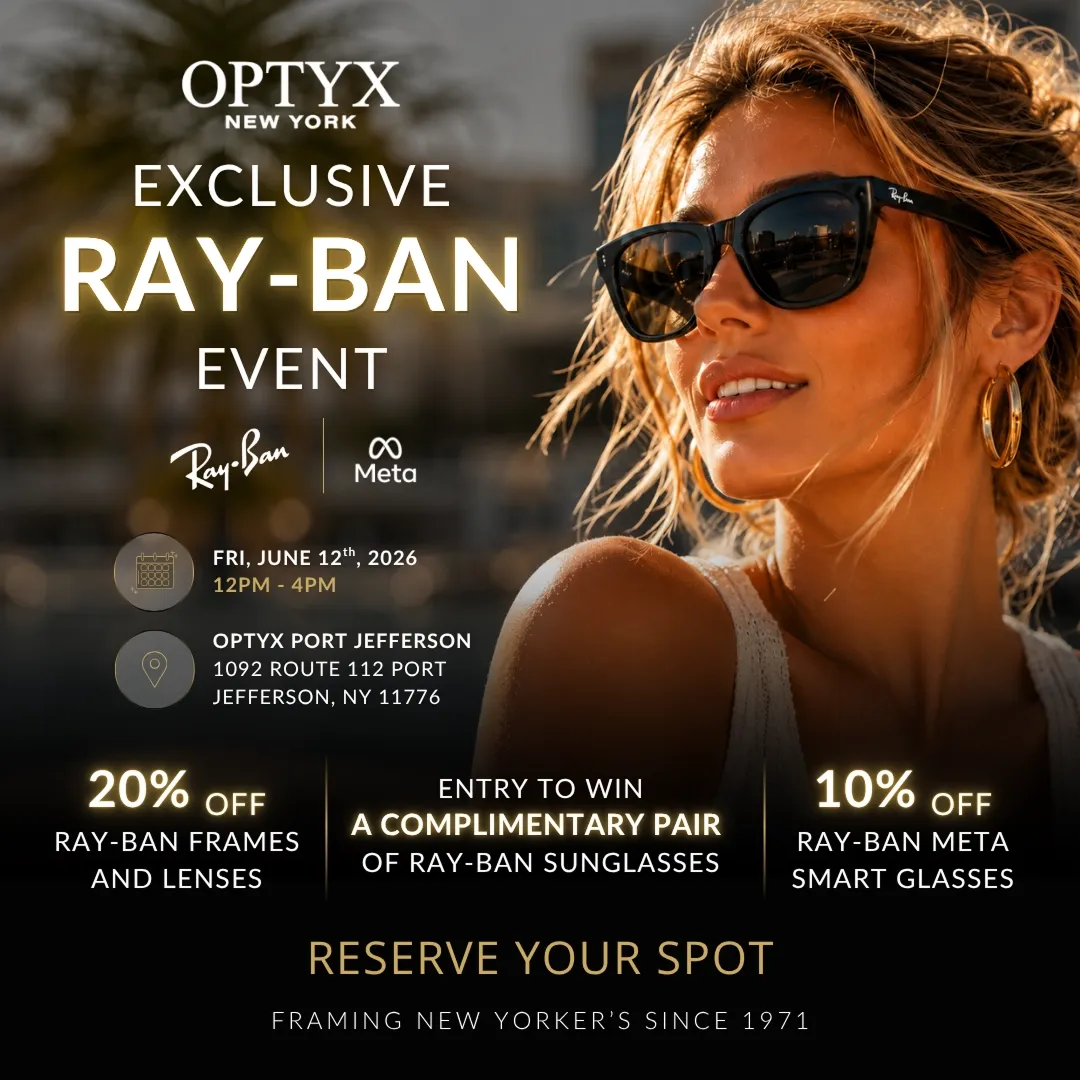
As National Sunglasses Day on June 27 reminds us, sunglasses are more than a fashion statement-they are an important part of protecting long-term eye health. Created by The Vision Council to promote awareness of UV eye safety, the annual observance encourages people to wear sunglasses that provide verified protection from harmful ultraviolet rays.
After years of exposure to sunlight-especially sunlight reflecting off water, sand, pavement, or snow-a fleshy growth can slowly develop on the surface of the eye. Many people don’t realize it’s there until an eye doctor points it out during a routine exam.
The condition is called pterygium, more commonly known as “surfer’s eye.”
While it’s usually benign, it can enlarge over time and, in some cases, affect vision. The encouraging news is that protecting your eyes from ultraviolet (UV) radiation is one of the simplest steps you can take to help reduce your risk.
What Is Surfer’s Eye?
Surfer’s eye is the common name for pterygium, a noncancerous growth of tissue that begins on the conjunctiva-the clear membrane covering the white part of the eye-and can gradually extend onto the cornea, the transparent front surface of the eye.
Unlike a small yellowish bump called a pinguecula, which stays on the white of the eye, a pterygium can continue to grow and may eventually interfere with vision if it extends far enough across the cornea.
Why Is It Called “Surfer’s Eye”?
The nickname comes from the fact that the condition has historically been seen in people who spend long hours outdoors in bright, reflective environments.
That includes:
- Surfers
- Boaters
- Lifeguards
- Fishermen
- Beachgoers
- Golfers
- Tennis players
- Cyclists and runners
- Construction workers
- Skiers and snowboarders
- Anyone who spends years in sunny climates or near the equator
Sunlight reflecting off water, sand, concrete, and snow can increase UV exposure to the eyes, making protection even more important.
What Causes Surfer’s Eye?
Researchers believe surfer’s eye is associated with years of cumulative exposure to:
- Ultraviolet (UV) radiation from the sun
- Wind
- Dust
- Dry environmental conditions
- Chronic irritation of the ocular surface
While not everyone with significant sun exposure develops a pterygium, these environmental factors are recognized contributors.
What Does Surfer’s Eye Look Like?
A pterygium often appears as:
- A pink or fleshy wedge-shaped growth
- A visible patch extending from the white of the eye toward the cornea
- Redness or chronic irritation
- A cosmetic change that many patients find bothersome
It may look more concerning than it feels, especially in the early stages.

You May Hardly Notice It
One of the most surprising aspects of surfer’s eye is that many people experience little or no discomfort.
Symptoms may include:
- Mild irritation
- Dryness
- Redness
- A gritty sensation
- Feeling as though something is in the eye
Others have no symptoms at all and discover it only during a comprehensive eye examination.
Can It Grow Over Time?
Yes.
A pterygium can slowly enlarge over months or years. As it progresses, it may extend farther onto the cornea and, in some cases, alter its shape, induce astigmatism, or interfere with vision.
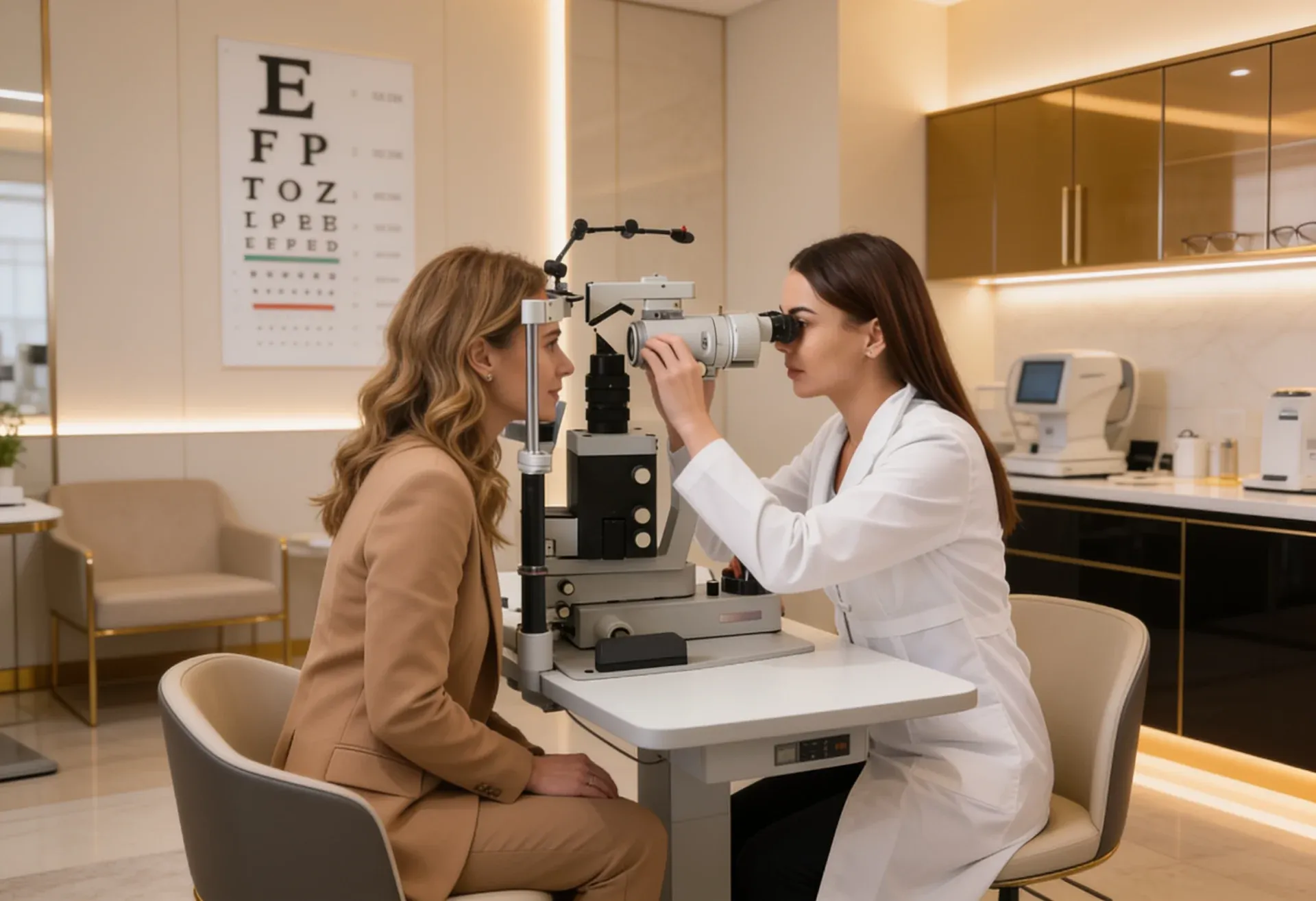
This gradual progression is one reason regular eye exams are so important.
Can Surfer’s Eye Be Prevented?
Although there is no guaranteed way to prevent pterygium, eye-care professionals commonly recommend reducing UV exposure by:
- Wearing sunglasses that block 100% of UVA and UVB rays
- Choosing wraparound or larger frames for added coverage
- Wearing a wide-brimmed hat outdoors
- Protecting the eyes from wind and dust whenever possible
National Sunglasses Day is an ideal reminder that consistent UV protection isn’t just about comfort-it’s about preserving your vision for the future.
Frequently Asked Questions
What is National Sunglasses Day?
National Sunglasses Day is observed every year on June 27 and was established by The Vision Council to educate the public about the importance of wearing sunglasses that provide proper UV protection.
Why is National Sunglasses Day important?
The day raises awareness that prolonged exposure to ultraviolet radiation can affect eye health and encourages people to wear sunglasses with verified UVA and UVB protection whenever they are outdoors.
What is surfer’s eye?
Surfer’s eye is the common name for pterygium, a benign growth that starts on the conjunctiva and may gradually extend onto the cornea.
What causes surfer’s eye?
The condition is associated with long-term exposure to ultraviolet radiation as well as environmental factors such as wind, dust, dryness, and chronic irritation.
Can surfer’s eye grow over time?
Yes. A pterygium may slowly enlarge over months or years. In some people it remains stable, while in others it progresses and may affect the cornea.
Can surfer’s eye affect your vision?
Yes. If the growth extends onto the cornea or changes its shape, it can contribute to blurred vision or astigmatism. Advanced cases may interfere with the visual axis.
Can you have surfer’s eye without knowing it?
Absolutely. Many people have few or no symptoms and first learn they have a pterygium during a routine eye examination.
Does surfer’s eye hurt?
Not necessarily. Some people experience only mild irritation, dryness, redness, or the sensation that something is in the eye, while others have no discomfort at all.
Can sunlight reflecting off water damage your eyes?
Yes. UV rays reflect off water, sand, pavement, and snow, increasing the amount of ultraviolet exposure your eyes receive. This is one reason surfers, boaters, anglers, and beachgoers are encouraged to wear protective sunglasses.
Who is most at risk for surfer’s eye?
People who spend long hours outdoors in sunny, windy, or dusty environments-including surfers, golfers, construction workers, boaters, athletes, and individuals living in tropical regions or near the equator-may have a higher risk.
Can surfer’s eye go away on its own?
No. A pterygium does not typically disappear without treatment. Small growths may remain stable for years, but they should still be monitored by an eye-care professional.
Does surfer’s eye require surgery?
Not always. Many cases are managed with observation and lubricating eye drops if symptoms are mild. Surgery may be considered if the growth threatens vision, causes persistent discomfort, or continues to enlarge.
What is the difference between a pinguecula and surfer’s eye?
A pinguecula is a yellowish deposit on the conjunctiva that stays on the white part of the eye. A pterygium (surfer’s eye) is a fleshy growth that can extend onto the cornea and potentially affect vision.
Can children develop surfer’s eye?
Although surfer’s eye is more commonly seen after years of cumulative UV exposure, children should still protect their eyes from the sun. Establishing healthy UV-protection habits early can help reduce lifelong exposure.
Can sunglasses help prevent surfer’s eye?
Wearing sunglasses with 100% UVA and UVB protection, preferably with wraparound coverage, may help reduce UV exposure associated with the development and progression of pterygium.
What kind of sunglasses should I buy?
Look for sunglasses that provide:
- 100% UVA protection
- 100% UVB protection
- UV400 certification
- Adequate coverage around the eyes
- Purchase from a trusted optical provider or reputable retailer
Expert Insight
“National Sunglasses Day is a great reminder that sunglasses aren’t just about style-they’re about protecting your vision. We often diagnose pterygium during routine exams before patients even realize it’s there. Daily UV protection is one of the easiest habits people can adopt to help safeguard their eyes over the long term.”
– Dr. Gretchen Ohlig O.D., OPTYX New York
The Bottom Line
This National Sunglasses Day, make protecting your eyes part of your daily routine.
Surfer’s eye develops gradually and often silently, but the habits that may help reduce your risk-wearing sunglasses with verified 100% UVA and UVB protection, using a hat for additional shade, and scheduling regular eye exams-are simple steps that can pay dividends for years to come.
Because the best way to deal with a surfer’s eye is to help prevent it before it has a chance to grow.