
Glaucoma facts are unsettling in one specific way: the most common form causes no pain, no visible changes, and no warning until a significant portion of your sight is already gone. It is the second leading cause of legal blindness worldwide, according to the World Health Organization. Millions of people with glaucoma do not know they have it. The reassuring part is that a comprehensive eye exam can detect glaucoma before damage becomes severe, giving treatment the chance to slow or stop its progression.
Key Glaucoma Facts at a Glance

- Glaucoma has no early symptoms in its most common form.
- As much as 40% of vision can be lost before a person notices anything is wrong.
- Once vision is lost to glaucoma, it cannot be restored.
- More than 3 million Americans have glaucoma; the National Eye Institute projects that number will reach 4.2 million by 2030.
- More than 60 million people worldwide are estimated to have the condition; roughly half do not know it.
- Glaucoma is 6 to 8 times more common in African Americans than in Caucasians.
What Is Glaucoma?
Glaucoma is a group of eye diseases that gradually damage the optic nerve. That nerve carries over a million individual fibers and transmits visual signals from the eye to the brain. Once those fibers are lost, they do not regenerate.
Damage accumulates silently, often over years. Among the most important glaucoma facts is this: the eye sends no signal when the optic nerve is under stress. The World Health Organization estimates that 4.5 million people worldwide are blind due to glaucoma. For a detailed overview of this condition, including how pressure, nerve vulnerability, and other biological factors interact, the OPTYX conditions page covers it in depth.
Research points to aging as a serious independent risk factor beyond eye pressure. A 2024 review in Aging and Disease noted that senescent trabecular meshwork cells, retinal ganglion cells, and vascular endothelial cells reportedly accumulate with age and stress and may contribute to glaucoma pathologies (Zhang et al., 2024). This biological link is an active area of investigation.
Types of Glaucoma
Primary open-angle glaucoma is the most common type. The drainage angle of the eye stays open, but the drainage system works inefficiently, causing pressure to build slowly. It is painless and gradual. Most people with this form have no idea anything is wrong.
Angle-closure glaucoma occurs when the drainage angle is physically blocked. Acute cases can appear suddenly with eye pain, blurred vision, halos around lights, and nausea. An acute angle-closure attack is a medical emergency requiring same-day care.
Normal-tension glaucoma is a form of open-angle glaucoma where the optic nerve is damaged even though intraocular pressure stays within the statistically normal range. A 2020 review found that most evidence supports a role for low ICP in glaucoma pathogenesis (Baneke et al., 2020).
Secondary glaucoma refers to cases where another condition, such as injury, inflammation, or certain medications, raises eye pressure enough to damage the optic nerve.
What Are the Early Symptoms of Glaucoma?
In most cases, there are none. That absence is among the glaucoma facts most people find hardest to accept. Primary open-angle glaucoma, the form that accounts for the majority of cases, progresses without discomfort, blurry vision, or any other signal the eye sends to the brain.
Glaucoma symptoms in the conventional sense only appear once damage is already significant. Peripheral vision is affected first, and the brain compensates so well that the loss often goes unnoticed until it encroaches on central vision. By that point, meaningful and irreversible harm has occurred.
Optometrists describe glaucoma as a silent disease not because it is rare but because the eye never sends a complaint until too late for prevention.
How Much Vision Can Be Lost Before Noticing Glaucoma?
As much as 40% of vision can be lost before a person detects that anything is wrong. These glaucoma facts about visual field loss reflect how the disease attacks: peripheral vision goes first, losses occur gradually, and the remaining eye partially compensates for what is gone.
The result is a person who feels they see perfectly well while the optic nerve sustains ongoing damage. By the time central vision is affected, glaucoma and vision loss at this stage is irreversible. The disease has usually been active for years before that point. Regular screening turns that silent window into an opportunity for intervention.
Who Is Most at Risk for Developing Glaucoma?

Are you at risk for glaucoma? Anyone can develop it, but several factors raise the likelihood significantly:
- Age over 60. Aging is one of the most serious risk factors for glaucoma, with senescent cells reportedly accumulating with age and stress (Zhang et al., 2024).
- African, Asian, or Hispanic descent. Glaucoma is 6 to 8 times more common in African Americans than in Caucasians. Among Hispanic populations in older age groups, risk approaches that of African Americans.
- Family history. Siblings of someone diagnosed with glaucoma face a significantly elevated risk.
- Diabetes. People with diabetes have higher rates of glaucoma.
- Severe nearsightedness. High myopia is an established risk factor for open-angle glaucoma.
If any of these apply, annual eye exam glaucoma screening is not optional. It is the most direct protection available. Why New Yorkers in particular should never skip a glaucoma exam goes into the specific stakes for high-risk communities across the region.
Can Glaucoma Be Detected During a Routine Eye Exam?

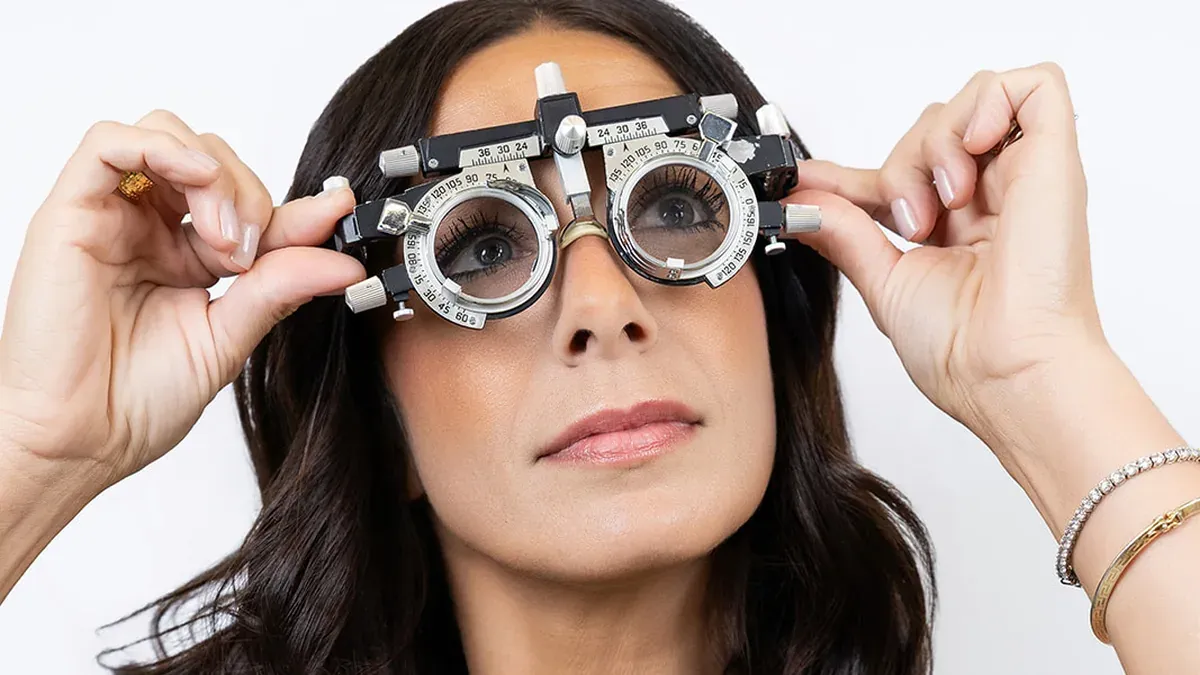
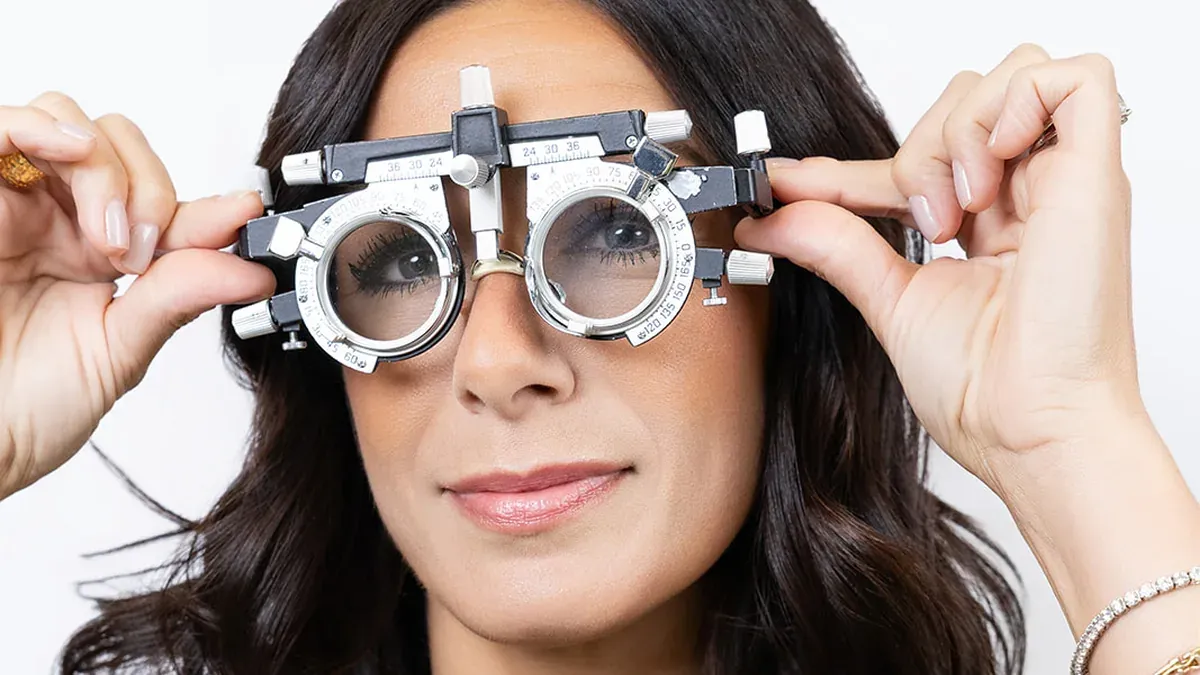
Yes, and this is the most practically important of all glaucoma facts. A comprehensive exam can catch damage before the patient is aware of anything. A typical glaucoma screening includes:
- Intraocular pressure is measured to check for elevated IOP.
- The optic nerve head is examined for characteristic cupping or thinning.
- Visual field testing maps any gaps in peripheral vision.
- Retinal imaging provides a detailed view of structural changes.
Technology has expanded what is possible in the exam chair. Ultra-widefield retinal imaging allows an optometrist to see the retina and optic nerve in exceptional detail, spotting changes that standard examination might miss. For a closer look at how modern retinal imaging advances glaucoma early detection, the OPTYX technology page explains what the scan captures and why it matters for catching the condition in its earliest stages. Every OPTYX location across New York offers comprehensive glaucoma screening as part of a standard eye exam.
The annual eye exam glaucoma screening is the safety net because there are no symptoms to prompt a visit on their own. That glaucoma fact makes the scheduled visit the most important appointment you will keep for your eyes.
Is Glaucoma Curable or Only Treatable?
There is currently no cure for glaucoma. Once optic nerve damage occurs and vision is lost, it cannot be recovered.
Research into stem cell therapies and optic nerve regeneration is ongoing, but a 2021 review concluded that the promise seen in animal studies has not translated into clinical results. Persistent challenges remain around cell type selection, route of administration, and patient eligibility criteria (Nicoară et al., 2021).
What treatment can do is slow or halt further progression. Prescription eye drops lower intraocular pressure, and laser or surgical procedures can improve drainage. The appropriate approach depends on the type and stage of glaucoma; a treating physician determines the specific plan after examination.
Glaucoma facts consistently reinforce one message. Early detection changes outcomes. Vision preserved by prompt treatment cannot be reclaimed once it is lost to disease.
Book Your Glaucoma Screening
Book an Eye Exam at an OPTYX location serving Manhattan, Long Island, the North Fork, the Hamptons, and Westchester.
Sources
- Zhang Y et al. (2024). Aging, Cellular Senescence, and Glaucoma. Aging and disease. PubMed
- Baneke AJ et al. (2020). The role of intracranial pressure in glaucoma and therapeutic implications. Eye (London, England). PubMed
- Nicoară SD et al. (2021). The Future of Stem Cells and Their Derivates in the Treatment of Glaucoma. A Critical Point of View. International journal of molecular sciences. PubMed