A quick streak of light at the edge of your vision, even in a dark room, can be unsettling. Seeing flashes of light is common, especially after 50, and often has a harmless cause. Sometimes, though, eye flashes are an early sign of a problem with the retina that needs prompt attention. This guide explains the most common causes, which symptoms are urgent and what your optometrist checks.
What Are Flashes in the Eye?
What are flashes in the eye? They are brief sparks, streaks or arcs of light that appear even though there is no light source in front of you. The medical term is photopsia. Many people describe them as lightning bolts, camera flashes or white flashes in eye vision that last a second or two and are easier to notice in dim light.
Flashes are different from the glow or rings you might see around streetlights and headlights at night. That effect comes from light entering the eye from outside and is explained in our guide to halos around lights.
Why Do I See Flashes of Light? Common Causes
If you are wondering why do I see flashes of light, it usually comes down to something physically stimulating the retina, the light-sensitive layer at the back of the eye. The retina can only send one type of signal to the brain, light, so when it is pulled or pressed, you "see" a flash.
Posterior Vitreous Detachment
The eye is filled with a clear gel called the vitreous. With age, this gel gradually shrinks and separates from the retina, a normal process called posterior vitreous detachment (PVD). As it pulls away, it can tug on the retina and cause flashing lights in eye vision, often along with new floaters. PVD is more common after 50, in people who are nearsighted and after eye surgery. It is usually harmless, but it needs a check because the same pulling can occasionally tear the retina.
Retinal Tear or Detachment
When the vitreous pulls hard enough, it can create a small tear in the retina. Fluid may then seep underneath and lift the retina away, causing a retinal detachment. Warning signs include a sudden burst of flashes, a shower of new floaters and a dark shadow or curtain across part of your vision. A detachment needs urgent treatment, and our article on whether a retinal detachment can heal on its own explains why.
Migraine Aura
A migraine aura can also cause flashes of light in eye vision, but these look different. Instead of a quick streak, you see a shimmering, zigzag pattern that slowly spreads over 5 to 60 minutes, sometimes followed by a headache. Aura comes from the brain, so it appears in both eyes.
Other Causes
Less common causes include a blow to the head or eye ("seeing stars"), rubbing or pressing on your eyes, and some medications. Rarely, sudden visual flashes can be linked to circulation problems in the brain.

Why Am I Seeing Flashes of Light in the Corner of My Eye?
Why am I seeing flashes of light in the corner of my eye rather than the centre? The vitreous is most firmly attached near the outer edges of the retina, so that is where it pulls the hardest. That is why flashes of light in peripheral vision are so typical of PVD and retinal tears. Flashes of light in corner of eye vision are often more noticeable when you move your eyes quickly or turn your head in a dark room.
Flashes of Light in One Eye vs Both Eyes
Where you see the flashes can offer a useful clue. Flashes of light in one eye usually point to something happening inside that eye, such as vitreous pulling on the retina. Flashes in both eyes at the same time, especially a spreading zigzag pattern, are more typical of a migraine aura. Try covering one eye: if the flashes are only visible through one eye, it is important to have that eye examined.
Floaters and Flashes of Light: Why They Often Appear Together
Floaters and flashes of light are closely connected. Floaters are small specks, threads or cobweb shapes that drift across your vision, created by clumps in the vitreous gel. When the vitreous separates from the retina, it often causes both at once. A few long-standing floaters are rarely a concern, but a sudden increase, especially with flashes, should always be checked. You can read more in our guide to the eye exam for floaters.

Who Is More Likely to See Flashes of Light?
Anyone can notice flashes, but some people are at higher risk of the vitreous and retinal changes behind them:
- Adults over 50, as the vitreous naturally changes with age
- People who are nearsighted, especially with a high prescription, because their eyes are longer and the retina is thinner
- Anyone who has had cataract surgery or another eye operation
- People who have had an eye or head injury
- Those with a previous retinal tear or detachment, or a family history of one
If you fall into one of these groups, regular retinal checks are worthwhile even without symptoms. Find out how Optos helps detect retinal detachment early, often before any warning signs appear.
How an Optometrist Checks Flashing Lights in the Eye
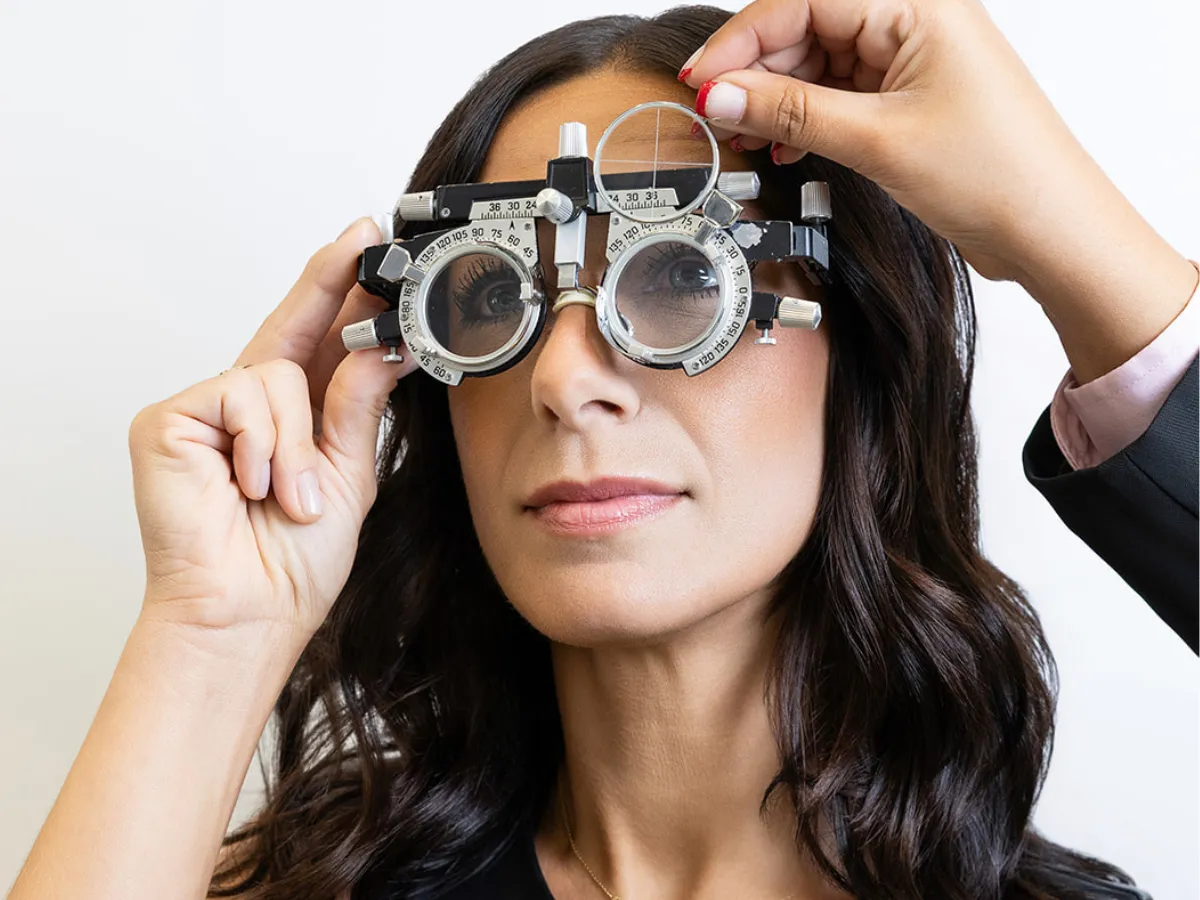
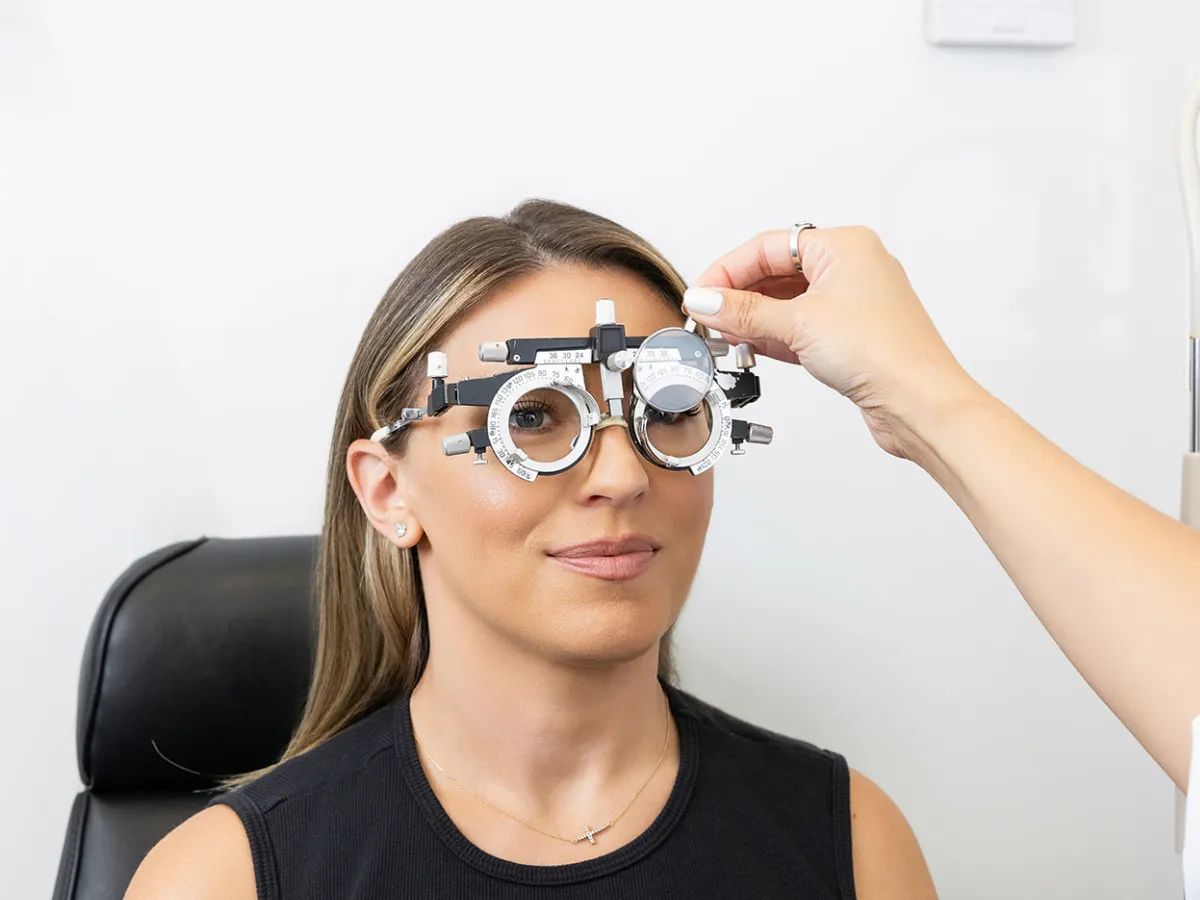
To find the cause of flashes, your optometrist needs a clear view of the entire retina, including the far edges where tears usually form. This involves a dilated examination and, at OPTYX, ultra-widefield Optos retinal imaging, which captures a detailed view of the retina in a single image.
If the cause is PVD with no tear, no treatment is usually needed, but your optometrist may recommend a follow-up visit within a few weeks. If a tear or detachment is found, you will be referred urgently to a retina specialist for treatment.
Book an Eye Exam at OPTYX
Seeing flashes of light should never be ignored, even if they turn out to be harmless. A prompt eye exam gives you clear answers and peace of mind. Visit one of our OPTYX locations across Manhattan and Long Island, and learn more about our approach to eye care at OPTYX.