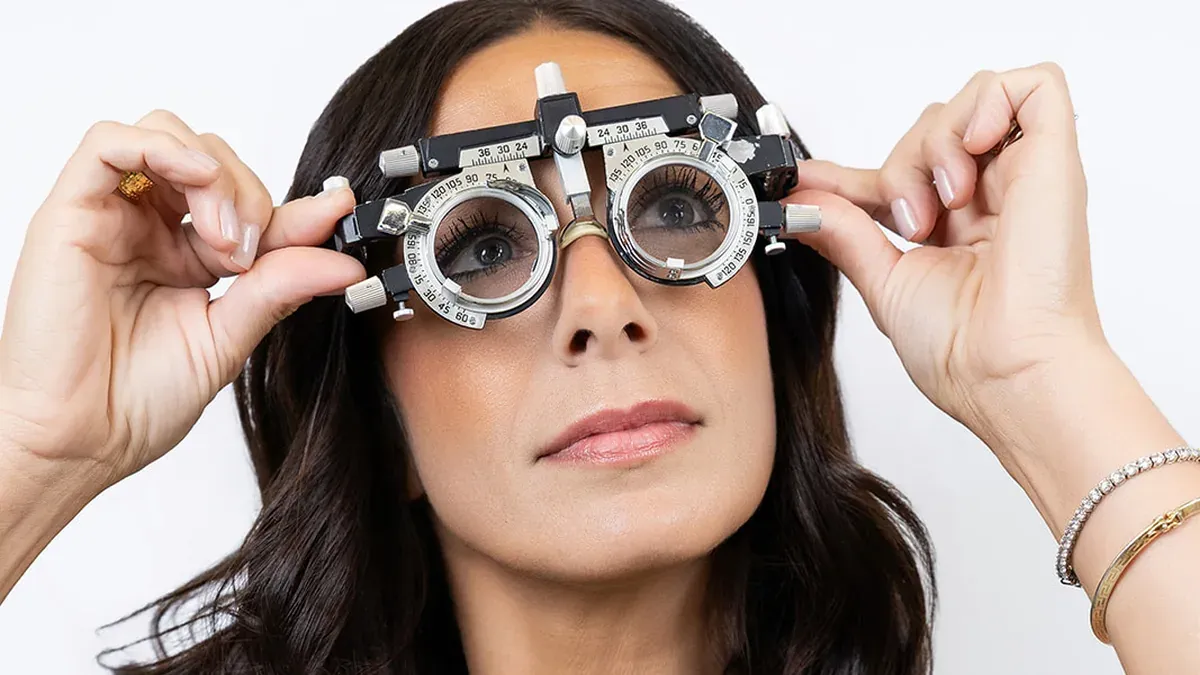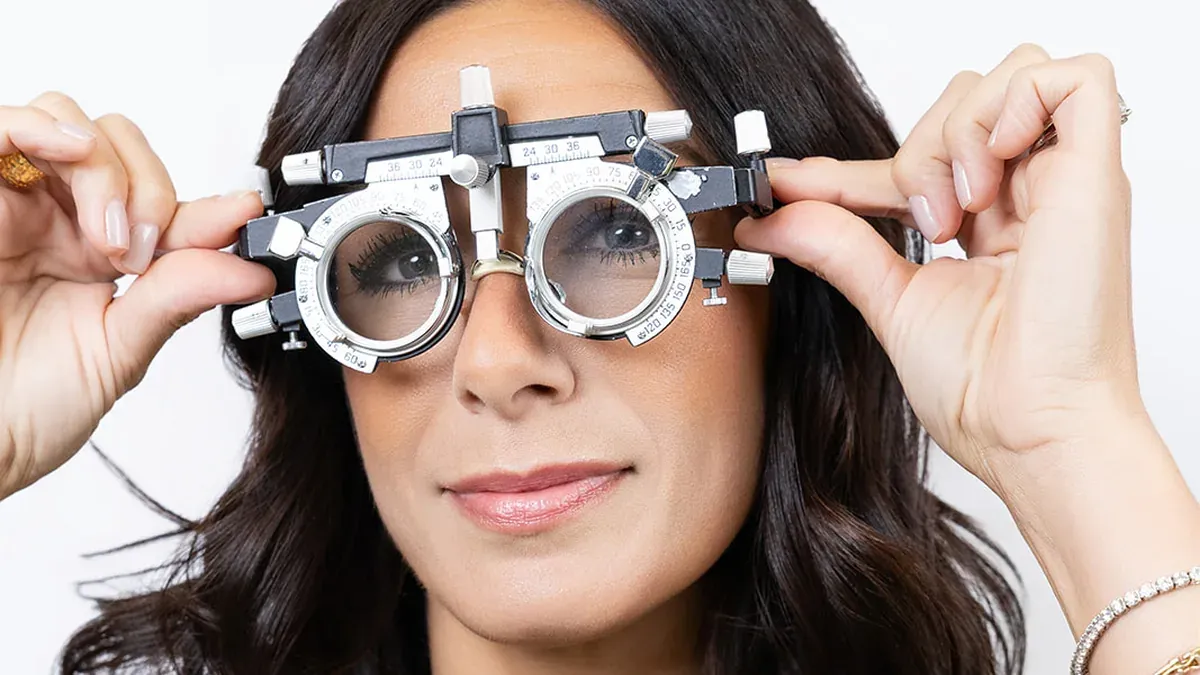

Blurry text, eye fatigue by mid-afternoon, a prescription that has not been updated in two years: these are everyday reasons to book an eye exam on the Upper East Side. An OPTYX optometrist delivers a comprehensive eye exam that covers refraction, eye pressure measurement, and retinal imaging, catching early signs of glaucoma or diabetic retinopathy before symptoms appear. Most adults need one annually. Do not wait for problems to become obvious.
Signs You Should Not Delay Your Annual Eye Exam

Many vision changes arrive gradually. Others surface as headaches or fatigue that feel unrelated to your eyes. If you have been searching for an "annual eye exam near me," these are the signs that make scheduling an eye exam upper east side the right next step:
- Blurred or distorted vision that has worsened over weeks or months
- Difficulty seeing clearly at night, or slow adjustment between light and dark
- Eye strain, pressure, or fatigue after extended screen time or reading
- Persistent redness, itchiness, or watering eyes that do not resolve
- Frequent headaches without another clear cause
Sudden flashing lights, new floaters, a shadow across your visual field, or abrupt vision loss are a different situation entirely, one that calls for same-day or emergency evaluation. Do not schedule a routine appointment. Contact an eye care provider right away.
What Does a Comprehensive Eye Exam Include?

A comprehensive eye exam NYC patients can access at OPTYX covers your full visual and ocular health in one visit. Your OPTYX optometrist assesses visual acuity, determines your prescription for glasses or contacts, measures intraocular pressure, and examines the optic nerve and retina. That single appointment gives you a complete baseline.
OPTYX adds Optos ultra-widefield retinal imaging to the standard protocol. The scanner captures up to 200° of the retina in a single frame. In most cases, dilating drops are not needed. Conditions such as high blood pressure and diabetes often leave early markers in the retina before any other symptoms appear, which is why that level of detail matters. See the full scope of technology behind a comprehensive OPTYX exam.
A contact lens exam Manhattan adds corneal measurements and a lens fit evaluation. Plan for a longer appointment if you need that component.
How Often Should Adults Get a Comprehensive Eye Exam?
Adults with healthy eyes and no current prescription should have a comprehensive eye exam once a year. Annual visits catch prescription changes before they affect daily function and give your optometrist a chance to track developing conditions over time.
If you have diabetes, elevated blood pressure, a family history of glaucoma, or are over 60, more frequent exams are likely appropriate. The right schedule depends on your health profile. Retinal screening for glaucoma shows why consistent annual monitoring catches things that a one-time visit can miss.
How Much Does an Eye Exam Cost in New York City?
Pricing depends on the provider, exam type, and whether you are a new or returning patient. Eye exam cost without insurance on the Upper East Side varies by provider and the tests included. Additional services such as Optos retinal imaging or a contact lens fit may be priced separately. Contact your local OPTYX location for current pricing.
For a detailed breakdown, see the eye exam cost guide for New York.
Does Vision Insurance Cover the Full Cost of an Eye Exam?
Most vision plans cover a comprehensive eye exam in full or at a copay. Coverage for glasses and contact lenses varies by carrier and plan. Eye exam and glasses NYC combined can be considerably more affordable than patients expect when a vision benefit applies.
Plan specifics matter. To confirm whether your coverage is accepted at OPTYX, check with your local OPTYX location.
How Long Does a Comprehensive Eye Exam Take?

A comprehensive eye exam at OPTYX is designed to fit within one appointment, without requiring a full morning or afternoon. The base evaluation, which covers refraction and ocular health screening, runs faster than a first visit that also includes intake forms. Adding Optos retinal imaging or a contact lens evaluation extends the total visit length. Bring your current glasses or contact lenses.
Your Eye Exam Upper East Side: Who Provides the Care
Your exam is conducted by a Doctor of Optometry, not a technician. OPTYX New York has locations across Manhattan, Long Island, the North Fork, the Hamptons, and Westchester, with optometrists, certified opticians, and style icons at each one. The Upper East Side practices on Lexington Avenue and Third Avenue are both conveniently reached by subway.
What separates a comprehensive exam from a basic vision test New York providers offer is documentation. A qualified optometrist records your ocular health at each visit and flags anything that warrants follow-up. That long-term record is what the best eye doctor Manhattan patients count on. A single screening tells you your prescription. A series of annual exams tells you whether your eyes are changing.
Book Your Eye Exam on the Upper East Side
Book an Eye Exam at OPTYX on the Upper East Side and have your vision and ocular health evaluated by a Doctor of Optometry.