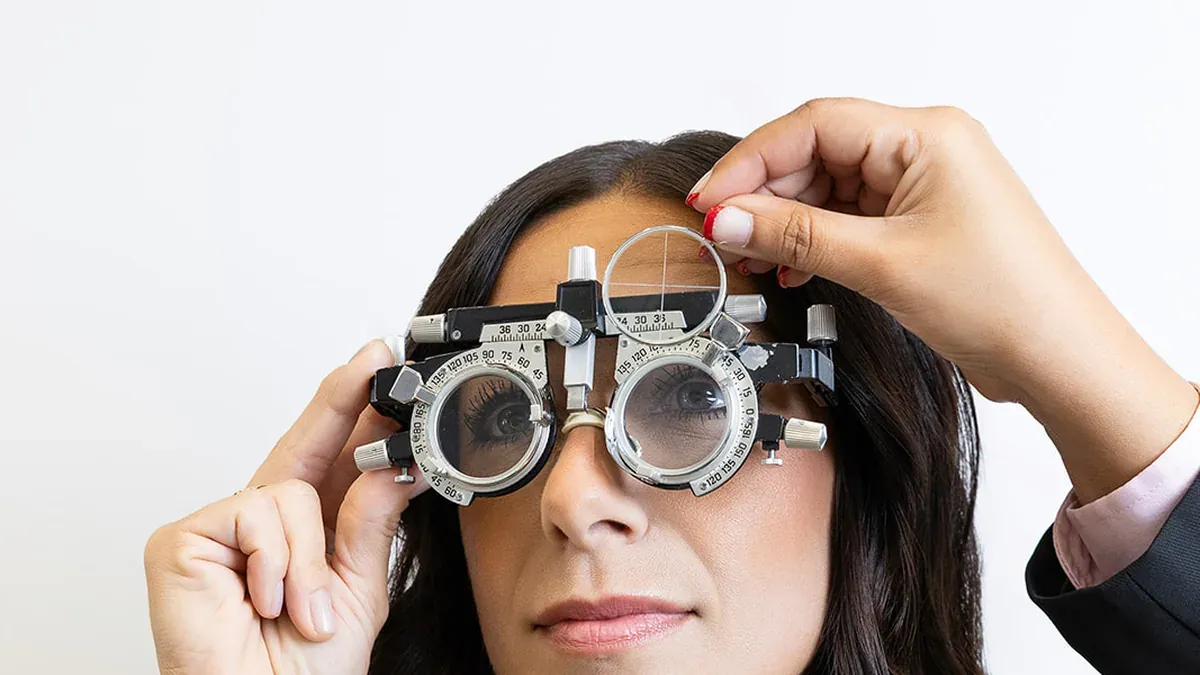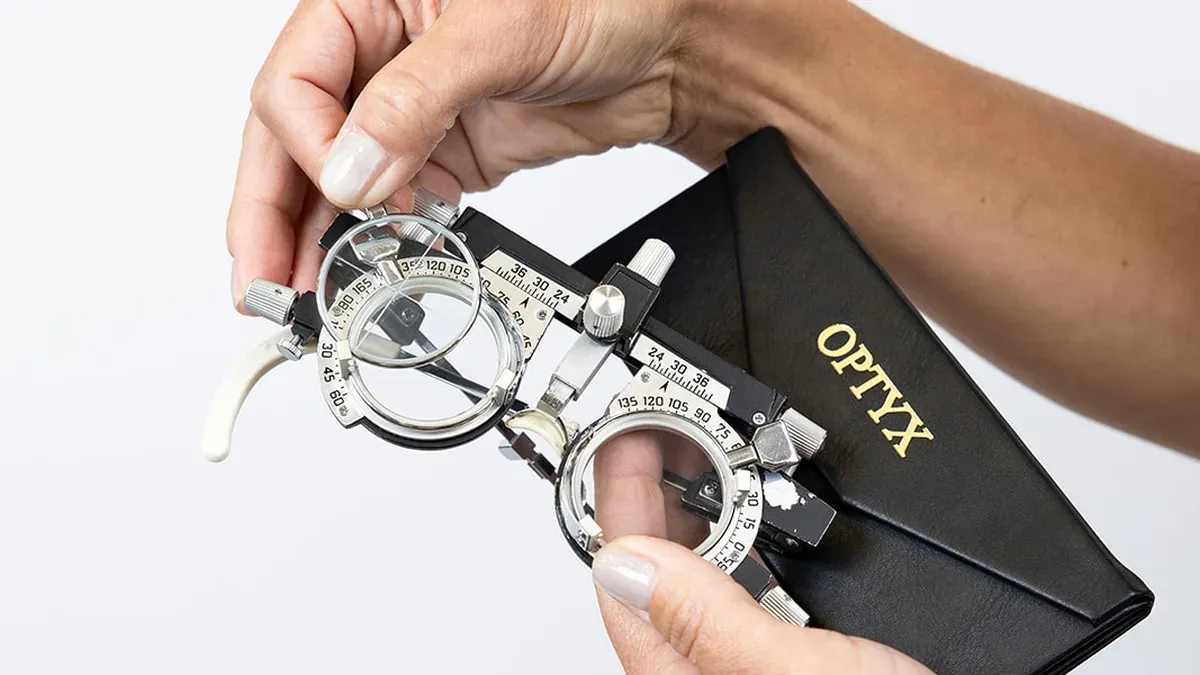

Finding the best optometrist NYC means choosing a provider who evaluates more than your glasses prescription. A Doctor of Optometry screens for early signs of glaucoma, macular degeneration, and diabetic eye changes, all of which can progress silently for years. Scheduling a comprehensive eye exam is the most concrete step you can take for your long-term eye health.
How Do I Find a Good Optometrist in New York City?

Start by looking beyond the nearest provider and asking what the visit actually includes. A good eye doctor New York City practice offers a full clinical evaluation, not just a vision chart and a prescription update.
Use these criteria when evaluating any NYC vision care provider:
- Exam scope. A comprehensive eye exam NYC covers visual acuity, intraocular pressure, pupil response, peripheral vision, and retinal evaluation. A basic chart test alone is not sufficient.
- Diagnostic technology. Practices with ultra-widefield retinal imaging can capture up to 200 degrees of the retina in a single image, in most cases without dilation, giving the doctor a far clearer picture of your eye health.
- Credentials. Your optometrist should hold an OD degree and a current New York State optometry license.
- Location access. Annual exams are easier to maintain when your provider has convenient locations. OPTYX New York has practices in Manhattan, on Long Island, in the Hamptons, on the North Fork, and in Westchester.
- Insurance clarity. Call your nearest location directly to confirm whether your vision plan is accepted before you book.
The best optometrist NYC is not necessarily the nearest one. It is the one whose exam covers the full diagnostic range and who explains findings in plain terms.
What Happens During a Comprehensive Eye Exam in NYC?

A comprehensive eye exam NYC is a full clinical evaluation of your eye health, not just a prescription update.
Your optometrist works through each of these components:
Visual acuity measures how clearly you see at distance and near. This is the starting point, not the whole exam.
Refraction determines the exact lens power you need. If your vision has changed since your last visit, this step produces an updated prescription for glasses or contacts.
Pupil and eye muscle testing checks how your eyes respond to light and whether they coordinate properly. Coordination problems here often cause headaches and eye strain that patients assume are unrelated to their vision.
Intraocular pressure screens for glaucoma. Elevated pressure causes no noticeable symptoms on its own, which is why this test belongs at every annual visit.
Retinal evaluation examines the back of your eye for signs of diabetic retinopathy, macular degeneration, retinal tears, and other conditions that produce no symptoms until they are already well advanced. OPTYX uses Optos ultra-widefield imaging to capture up to 200 degrees of the retina in a single image, in most cases without dilation. It is often the most revealing test of the visit.
One mark of the best optometrist NYC practice is how clearly the results are explained. A change in eye pressure, a retinal finding, or an updated prescription should come with context, not just a printout.
Your eyes also reflect your overall health. Changes in the blood vessels visible during a retinal exam can point to systemic conditions a primary care visit might not catch until much later.
For a full preparation guide, see how to get ready for your eye exam in NYC.
What Is the Difference Between an Optometrist and an Ophthalmologist?
An optometrist (OD) provides primary eye care: comprehensive exams, vision correction, contact lens fittings, and non-surgical management of many common conditions. Surgery is outside their scope.
An ophthalmologist (MD or DO) is a physician who specializes in surgical eye care. They treat cataracts, retinal detachment, advanced glaucoma, and other conditions that require an operating room.
For most people, routine care means seeing an optometrist annually. OPTYX optometrists detect and monitor conditions non-surgically and coordinate referrals when surgery is the right next step. Optometry Manhattan and Long Island OPTYX practices also handle dry eye, myopia management for children, and early detection of systemic changes visible in the eye first.
For a full breakdown of when each provider type applies, see Optometrist vs Ophthalmologist: Which Eye Doctor Do You Need?.
How Often Should Adults See an Optometrist?

Once a year is the standard for most adults. That holds even when your vision feels unchanged.
Glaucoma, early macular degeneration, and diabetic eye disease can progress for years before producing any symptoms. Annual exams build a comparison baseline and catch changes while they are still manageable. People with diabetes, a family history of glaucoma, or a prior eye condition may need to visit more frequently, as their optometrist recommends.
Children benefit from regular exams too. Vision problems during school years affect learning and attention directly, and an updated prescription picked up early can change how a child performs in the classroom.
OPTYX provides eye care across Manhattan, Long Island, the North Fork, the Hamptons, and Westchester. Patients in all five regions can book online or call their nearest location.
If you notice sudden new floaters, flashes of light, or a shadow across your vision, do not wait for a scheduled appointment. Those symptoms need same-day evaluation. Learn more about what an eye exam for floaters in New York can reveal.
Does OPTYX Accept Vision Insurance Plans?
Call your nearest OPTYX location to confirm your plan before booking. Staff can verify whether your plan is in-network and walk you through your out-of-pocket costs. Find phone numbers and addresses at OPTYX locations.
Whether you are looking for an optometrist Upper East Side, an Upper West Side practice, or a Long Island location, the process is the same: call your local team, verify your plan, and book your exam.
See an Eye Doctor in New York
Whenever you are ready, Book an Eye Exam at the OPTYX location nearest to you.