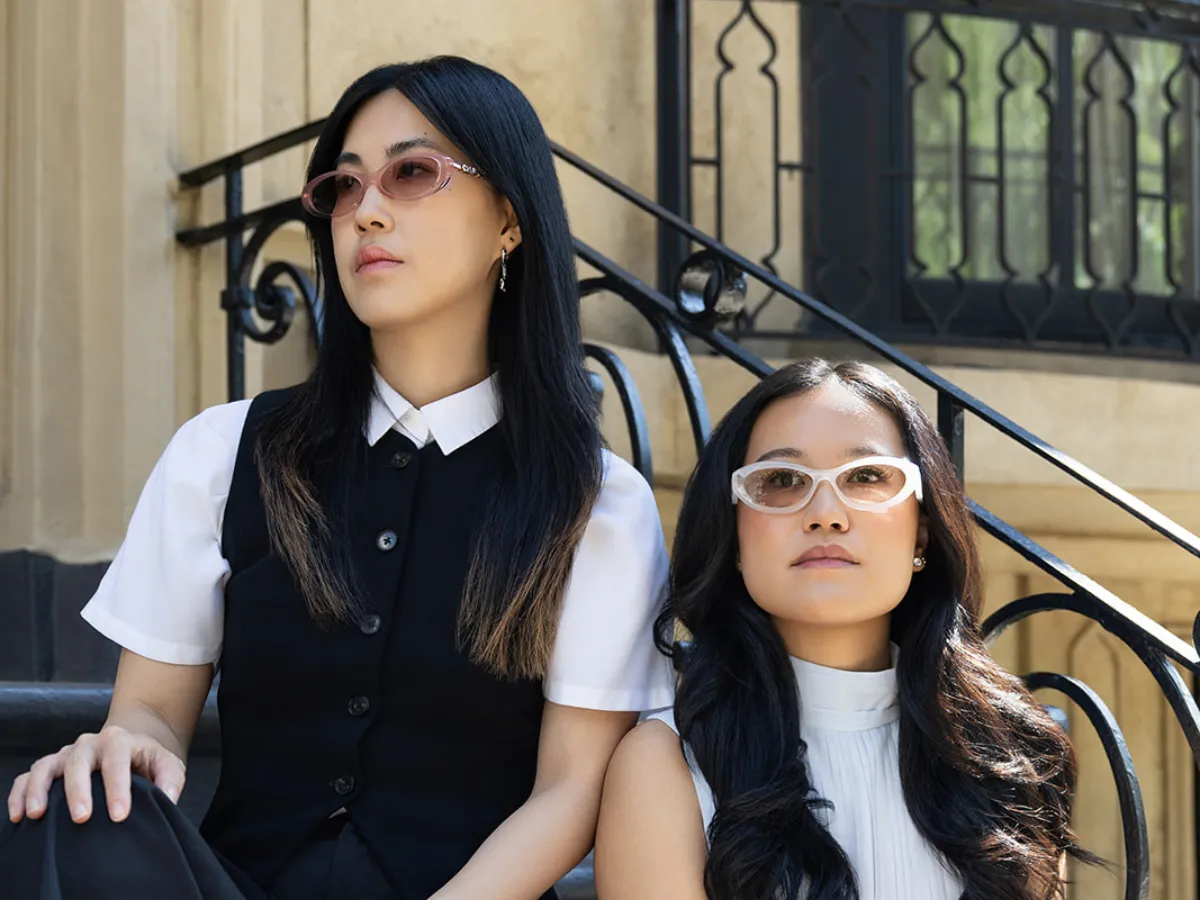

Whether you run, cycle, play golf, or spend time on the water, sport sunglasses are a piece of gear that earns its place regardless of the activity. The right pair protects your vision, reduces glare, and stays put when you are moving. At OPTYX, we fit patients across New York with sport eyewear that performs as well as it looks. Here is what to know before you buy.
What Makes the Best Sport Sunglasses?
Sport sunglasses need to do more than block light. These are the features that separate genuine performance eyewear from regular sunglasses worn outdoors.
UV protection is the baseline requirement. Any sunglasses for outdoor sports should block 100% of UVA and UVB radiation. UV exposure accumulates over time and is a known risk factor for cataracts, macular degeneration, and pterygium. Lens darkness tells you nothing about UV protection — a clear lens with a UV coating can fully protect against UVA and UVB, while a heavily tinted lens with no UV treatment leaves your eyes exposed. For a full breakdown of what to look for, see our guide on UV protection on your glasses.
Polarized lenses reduce horizontal glare reflected from water, pavement, snow, and road surfaces. For cyclists, runners, water sports enthusiasts, and golfers, polarization improves visual clarity in bright outdoor conditions significantly. It does not affect UV protection — polarization and UV coating are separate lens properties.
Impact resistance matters for any sport where debris, branches, or equipment contact is possible. Polycarbonate lenses are the standard choice: lightweight, shatter-resistant, and available in prescription. Trivex offers higher optical clarity with similar impact resistance and is worth considering for prescription wearers.
Secure fit is what separates sport frames from casual sunglasses. Look for wrap-around frame designs, rubber or grippy nose pads that hold position during movement, and flexible temple arms that grip rather than slide. A frame that shifts during activity is both a distraction and a safety concern.
Lightweight construction matters on longer sessions. TR90 nylon and titanium are the leading materials for sport frames: flexible under stress, resistant to temperature changes, and significantly lighter than standard acetate.
Best Sport Sunglasses for Men
For sunglasses sports eyewear for men, the dominant design is the wrap-around frame — a continuous lens curve that follows the contour of the face and blocks light from the sides. This style suits the full range of active use, from trail running to open-water swimming.
For men who prefer a look that transitions between sport and casual wear, semi-rimless sport frames in titanium or nylon offer a cleaner aesthetic while keeping performance characteristics. These work particularly well for golf and court sports where extreme wrap coverage is less necessary.
The best sports glasses for men in a multi-sport context often come with interchangeable lens systems — a single frame that accepts different tinted lenses for different light conditions. One set of frames can move from a bright noon run to an overcast morning cycle with a simple lens swap.
For tint, grey is the most versatile for men’s sport use: it reduces brightness without altering colour perception, which matters for reading terrain, judging distance, and reacting quickly. Brown and amber tints enhance contrast and are popular for golf and fishing.
Best Sport Sunglasses for Women
Sport glasses for women follow the same core performance criteria – UV protection, polarization, impact-resistant lenses, secure fit – with a broader range of frame profiles that account for the typically narrower facial structure and varying fit preferences among women.
Smaller wrap-around and semi-rimless designs with adjustable nose bridges fit most women’s faces without needing a specifically labelled women’s frame. The fit is what matters: lenses sitting too close to the face or frames sliding down the nose undermine performance regardless of how the product is marketed.
For prescription sport glasses for women, polycarbonate wrap lenses with prescription grinding are widely available. Single-vision distance prescriptions translate most cleanly to wrap-around sport frames. Progressive prescriptions in wrap frames are more complex but achievable through specialist labs.
Style versatility matters for women who want sport sunglasses that also work for casual outdoor wear. Smaller wraps and semi-rimless frames in neutral or tortoiseshell tones span sport and weekend use more naturally than full-coverage racing frames.

Lens Technology Worth Knowing
Polarized lenses are the most practical upgrade for most outdoor sports. They cut glare from flat reflective surfaces and make it significantly easier to see through water, read wet pavement, and track a ball against a bright sky.
Photochromic lenses adjust tint based on UV exposure, moving from lighter to darker in bright conditions. They work well for sports with variable light – trail running between open and shaded sections, or a road cycle that alternates between sun and cloud. Their main limitation is that most do not darken inside car windshields, which block the UV that triggers the change.
Mirror coatings reduce the amount of light entering the lens and suit high-altitude sports, skiing, and open-water activities where glare is intense. They are a surface coating rather than a UV filter – UV protection remains a separate specification to confirm.
Get Sport Sunglasses at OPTYX New York
OPTYX carries sport and outdoor sunglasses from luxury and performance brands across 13+ locations in NYC and Long Island. Our optometrists can help you find the right fit and lens package for your activity, including prescription options, and confirm UV protection specifications before you leave.
If you are due for an updated prescription, book a comprehensive eye exam before investing in new sport eyewear — and ask about UV protection and polarization options during your appointment.

Frequently Asked Questions
What are the best sport sunglasses for men?
The best sport sunglasses for men combine 100% UV protection, polarized lenses, and a wrap-around frame with a secure, non-slip fit. For most multi-sport use, TR90 or titanium frames with grey or brown polarized polycarbonate lenses are the most practical choice.
What are the best sport glasses for women?
The best sport glasses for women meet the same performance criteria — UV protection, polarization, impact-resistant lenses, secure fit — in a frame profile suited to the wearer’s face. Smaller wrap and semi-rimless designs in lightweight nylon or metal suit most active use well.
Can I get prescription sport sunglasses?
Yes. Prescription polycarbonate lenses can be fitted into many sport frames, including wrap-around designs. Single-vision prescriptions work most cleanly in sport frames. Progressive prescriptions are available through specialist labs. A comprehensive eye exam is the right starting point.
Do sport sunglasses need to be polarized?
Polarization is strongly recommended for outdoor sports involving water, snow, roads, or bright flat surfaces — it significantly reduces glare and improves clarity in those conditions. It does not replace UV protection, which is a separate lens property.
What lens features matter most for active use?
In order of priority: 100% UV protection, impact-resistant lenses (polycarbonate or Trivex), a secure wrap-around fit, and polarization for glare-heavy environments. Photochromic lenses are a practical option for variable light conditions.
Where can I get sport sunglasses in New York?
OPTYX carries sport and performance sunglasses across 13+ locations in New York City and Long Island. Visit optyx.com/locations to find your nearest store or book an eye exam appointment.