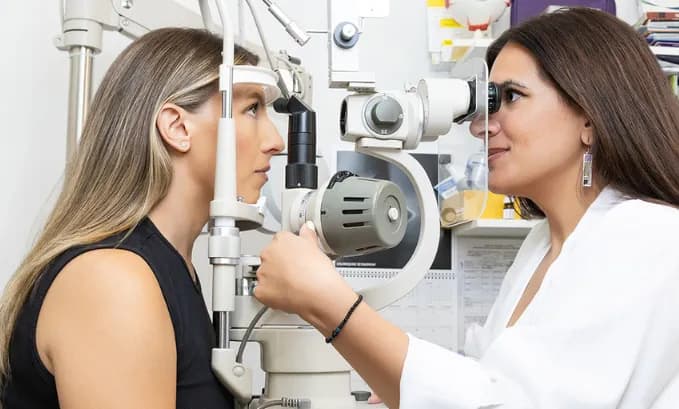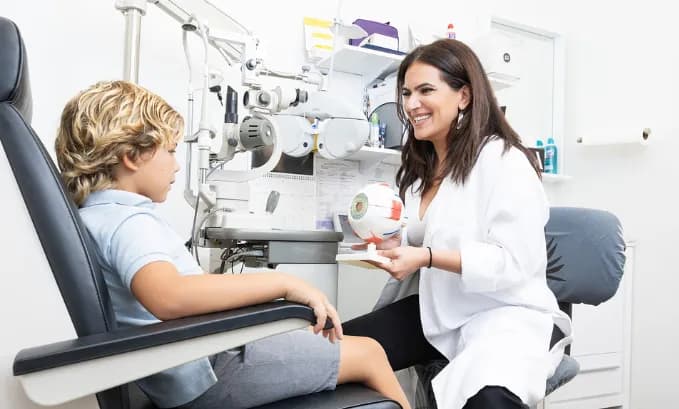
Conducting regular snellen eye examination plays a vital role in upholding general well-being and guaranteeing individuals’ ability to carry out daily tasks with proficiency. Having clear eyesight is pivotal for activities that demand visual precision, such as reading, driving or recognizing people’s faces. The Snellen Eye Examination method stands among the most prevalent ways of evaluating vision by using a uniform chart designed specially – known as the “Snellen Chart” – which measures how sharp someone’s sight is.
The development of the snellen eye examination over time
Dutch ophthalmologist Hermann Snellen developed the snellen eye examination during 1860s. The introduction of this test transformed vision testing by establishing a uniform approach to determining visual acuity that is still significant in contemporary times.
While the traditional Snellen chart remains a cornerstone in vision testing, modern adaptations have incorporated electronic charts and software for increased accuracy and convenience. Some variations also include the use of different letter types or symbols to accommodate individuals who may have difficulty reading letters.
The Methodology of the eye exam snellen chart
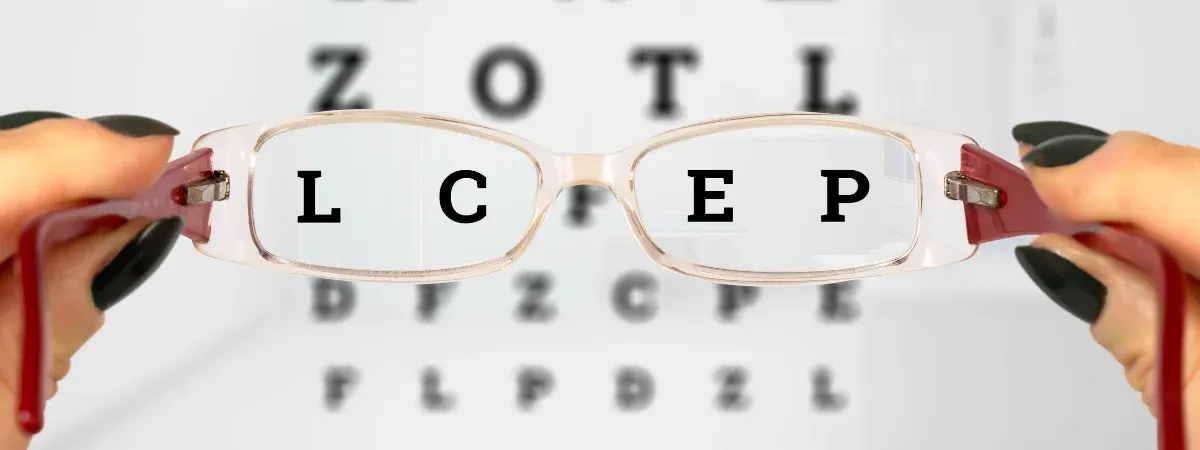
One popular way to assess visual sharpness is through the Snellen Eye Examination, which involves using a chart known as the “Snellen Chart.” This chart contains several rows of increasingly smaller letters. Typically, patients stand 20 feet away from it during testing and cover one eye as they attempt to read out loud the smallest line of characters that they can make out. Vision sizes are represented by fractions; standard eyesight would typically be recorded at 20/20 or what an individual with healthy vision could clearly perceive while standing at a distance of twenty feet.
The Snellen chart presents different sized letters in each row, with larger letters at the top indicating weaker eyesight and smaller ones at the bottom suggesting better vision. The evaluation is conducted separately for each eye, determining their ability to read the smallest line accurately. For instance, if a patient during the snellen eye examination can decipher characters designated as 20/30 on one of these rows – it implies that they have visual capabilities equal to someone with normal sight standing thirty feet away when positioned only twenty feet apart which indicates some level of impairment. This straightforward approach furnishes individuals and healthcare practitioners alike with crucial insights regarding ocular health status.
Typical Diseases That snellen eye examination Can Detect
From the Snellen Eye Examination, complete several advanced vision problems:
Myopia (nearsightedness): A person sees well at close distances, but poorly at far distances. The snellen eye examination may show reduced clarity when reading lower lines.
Hyperopia (farsightedness): A person has difficulty focusing on close objects. The test may show problems when reading the upper lines.
Astigmatism: Irregular shape of the cornea or lens potentially leading to blurred vision. The test may reveal unevenness in visual acuity.
Presbyopia: Age-related decline in the ability to see other objects. Patients may note difficulties with reading.
Cataract: A clouding of the lens that has changed to blurred vision. This can be seen through reduced visual acuity.
The benefits of undergoing a snellen chart eye exam
The snellen chart eye exam primary advantage lies in its precise ability to determine visual acuity. By utilizing a standardized method, eye care professionals can accurately measure an individual’s sight capabilities at various distances and effectively evaluate vision impairments. The use of the distinct letters organized according to their respective sizes on the Snellen chart provides vital information that enables a clear understanding of a person’s eyesight abilities.
The Snellen chart eye exam efficiency and simplicity make it an indispensable tool in clinical and ophthalmological settings. Its ability to swiftly and accurately assess visual function assists healthcare professionals with the prompt diagnosis of various ocular ailments. Due to its user-friendly nature, even those with minimal training can conduct tests effectively making it widely accessible across different healthcare levels. As a result, this test has become standard practice among many clinics ultimately improving patients’ eye health management tactics.
Getting Ready for the snellen chart eye exam

In order to obtain precise outcomes during your Snellen Eye Examination, adhering to certain guidelines prior to the examination is crucial. To aid in effective preparation, below are some suggestions:
Don’t Forget Essential Items: It’s essential to bring your current glasses or contact lenses with you, as these items may be required for comparison purposes. If you’ve previously had an snellen chart eye exam, it would be beneficial to carry old prescriptions and records that can provide valuable information to the eye care specialist.
Take a Break for Your Eyes: To optimize your vision during the snellen chart eye exam, refrain from engaging in activities that demand concentrated attention like reading or fixating on screens at least several hours before it. This will alleviate any strain on your eyes beforehand.
Before the snellen eye examination, check with your eye care provider to confirm if you should avoid medicated eye drops. This step is crucial as certain types of drops could impact the precision of your results.
To optimize your exam performance, it’s important to stay calm. Combat anxiety by honing relaxation techniques like deep breathing in preparation for the appointment and ease any jitters you may feel.
Revised: Tips for Avoiding Errors: Guessing letters on the chart is a common mistake made during snellen eye examination. To ensure accurate measurements of visual acuity, it’s important to only identify characters that are clearly visible and follow instructions to cover one eye at a time without peeking. These measures can prevent errors and yield reliable results.
The Importance of the snellen chart eye exam
Getting a Snellen Eye Exam is crucial for detecting visual acuteness and potential vision impairments at an early stage. Regular snellen eye examination can reveal latent issues that may not show symptoms immediately, allowing swift resolution and management of these problems. Prioritizing optimal eye health benefits both clear eyesight and overall physical well-being alike.
Due to its simplicity and effectiveness, the Snellen Eye Examination remains a vital tool in assessing vision. Regular eye exams that incorporate this testing are critical for maintaining good eye health and overall well-being. Understanding the history, methodology, and preparation tips of this test can help individuals better comprehend how it preserves optimal visual acuity.