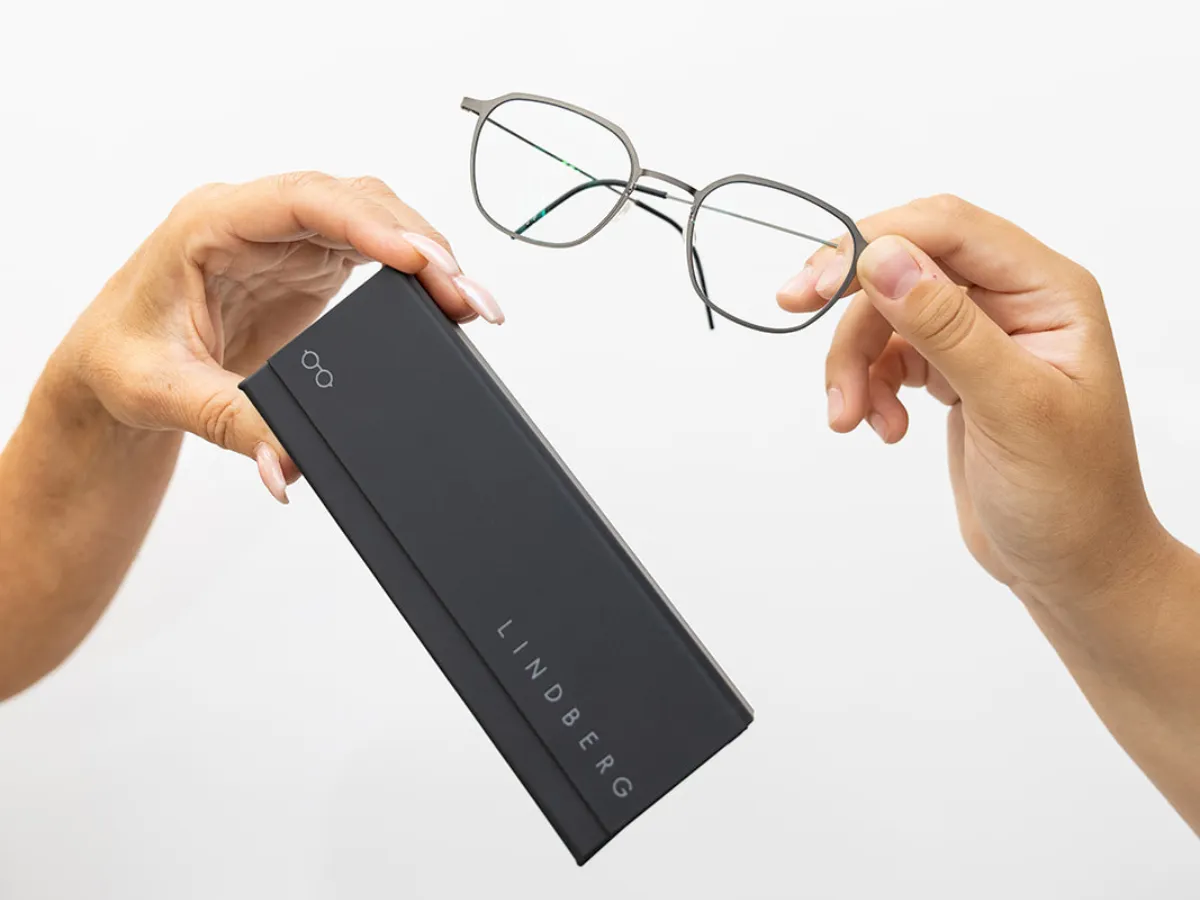

Ever pop on those brand-new reading glasses, ready to see everything in crisp detail, only to have your world start spinning? If you’ve ever asked yourself, Can reading glasses make you dizzy?, you’re definitely not alone. In fact, these questions on a daily basis are super common for first-timers and seasoned bespectacled folks alike.
But don’t worry, Optyx is here to peel back the layers of this optical mystery! Whether you’re experiencing just a little wooziness or you’re seriously questioning if your glasses are the culprit, we’ve got your answers. Grab your favorite mug, get comfy, and let’s break down when and why reading glasses might make you feel dizzy, and, of course, what you can do to bring clarity back to your vision.
Why Do People Feel Dizzy When Wearing Reading Glasses?
The Science Behind Reading Glasses
Let’s dive into the basics. Reading glasses are like magnifying glasses for your eyes, they help sharpen up anything you’re holding at arm’s length or closer. Most people run into the question, can reading glasses make you dizzy, when they first start using them for tasks not intended, like looking across the room, watching tv, or getting up from their chair with glasses still on. These lenses are fine-tuned for a sweet spot: about 12–14 inches from your face.
Try using them beyond that, and your vision might turn a little wavy.
How Mismatched Prescriptions Can Cause Dizziness
Ever feel like your eyes have to work overtime just to read price tags or the morning paper? That “straining” feeling is your cue to pause. If your reading glasses don’t match what your eyes really need, even by a little, it can bring on a dizzy spell before you know it.
Common clues and visual distortion:
- Blurred vision or double vision
- Headaches creeping in
- Your balance feels “off”
It’s worth double-checking your prescription, because over-the-counter readers are one-size-fits-most, not tailor-made for you!
Adjustment Period to New Eyeglasses
Change can be tricky, even for your eyes! If this is your first time wearing glasses or you’ve new pair of glasses after old glasses, it’s absolutely normal to feel a little weird at first. Can wearing reading glasses make you dizzy in those first few days? Yup, and it usually fades as your brain gets used to processing the world with a little more clarity (and magnification).
Our Optyx pro tip? Ease into it! Try wearing your new pair of glasses for 30-60 minutes at a time. Gradually, you’ll train your eyes and brain to work together, and the dizzy feeling should fade.
Can Reading Glasses Make You Dizzy? Common Causes
Incorrect Prescription or Lens Strength
Stop us if this sounds familiar: You grab a pair of readers from the rack without thinking about the strength, slip them on, and…everything looks fuzzy. Lenses that are too strong (or too weak) can make it feel like you’re looking through a funhouse mirror instead of getting that crisp focus you’re after.
Ill-fitting glasses or Frames
Have you ever noticed your glasses sliding down your nose or sitting at an odd angle? An imperfect fit can actually cause your lenses to line up wrong with your eyes, which messes with your field of vision and balance. It’s not at all rare to hear can reading glasses make you feel dizzy if they don’t fit properly? You bet they can! That’s why at Optyx, we always recommend a professional fitting to keep those dizzy spells at bay.
Switching Between Multiple Pairs Makes You Feel Dizzy
Maybe you have task-specific glasses (reading, distance, computer). Swapping them on and off all day isn’t just a hassle – it can trip up your brain’s adjustment mechanisms. If you’re constantly shifting focus with different lenses, can wearing reading glasses make you dizzy as your brain gets confused? Oh yes, it sure can.

How to Prevent Dizziness When Using Reading Glasses
Get the Right Prescription
Get a personalized prescription! Our team at Optyx will help you nail the perfect diopter strength for your eyes, bye-bye, dizzy days. Customized lens shape and power are the best fix for serving your unique vision needs.
Invest in Quality Lenses
Don’t settle for scratchy, bargain-bin readers when you could upgrade comfort and clarity with a few smart features:
- Anti-reflective coatings
- Slim, lightweight materials
Top-tier lenses ease your eyes into every task, minimizing glare and that woozy sensation people describe when they ask, can reading glasses make you feel dizzy from lens glare or bulkiness?
Allow Time for Adjustment
Here’s a friendly reminder: feeling a little dizzy in the very beginning is pretty normal! Think of it like breaking in a new pair of shoes. If you ever start to wonder, can wearing reading glasses make you dizzy even if they’re perfect otherwise?, give it some time. Usually, that jittery sensation melts away as your eye muscles and brain sync up.
And if it lingers, the Optyx team is always here for check-ins and tips on how to smooth out your adjustment period.
When to See an Eye Care Professional
Persistent Dizziness
What if you just can’t shake that dizzy feeling, even after a week or two? Can reading glasses make you dizzy long-term? If so, it’s time to pop by Optyx for another look. Sometimes it’s a tiny tweak, lens strength, prescription, or a fit adjustment that solves the puzzle.
Other Symptoms to Watch: Blurry Vision and Eye Strain
Sometimes, dizziness is just part of a bigger conversation. Keep an eye out for:
- Frequent headaches
- Blurred, double, or jumpy vision
- Eye strain
- Trouble focusing, especially at your usual reading distance
If you see these, don’t panic, but do book a checkup to rule out underlying issues.
Importance of Annual Eye Exams
Even when everything feels fine, regular eye exams are the most important thing for vision health. Staying current with your prescription glasses means you’re far less likely to ask, can reading glasses make you dizzy, in the long run.
Why Choose Optyx for Your Eyewear Needs?
We know that vertigo isn’t a word you want associated with your eyewear. Let our practice’s good eye care specialist at Optyx help you choose, adjust, and fit your reading glasses right the first time, so the phrase can reading glasses make you dizzy can be a problem of the past.
Superior Lens Options
Whether you’re after feather-light frames, anti-glare coatings, or just a sleek new eyewear, Optyx offers premium lenses built for both style and serious comfort. No more asking, can wearing reading glasses make you dizzy, thanks to smart solutions for every face and purpose.
Personalized Solutions
Our goal? Glasses that make you feel good, no dizziness, no distractions, just crystal-clear reading and living. And if you do wonder, can reading glasses make you feel dizzy with a new pair, you’ll have a team ready to tweak or replace as needed.
Conclusion
Let’s bring it all into focus: Can reading glasses make you dizzy? Sometimes, yes, but with the right prescription glasses, a comfy fit, and a little patience, dizzy spells are history. Optyx is always here to help you find clarity, comfort, and a perfectly personalized fit. So, can reading glasses make you feel dizzy? Only until you find the pair meant for you!
Ready to see clearly without the spin? Visit Optyx and let’s make dizziness a distant memory.