Ah, the DMV vision test. We’ve all been there: standing in line, nervously waiting for our turn, and wondering, “What if my glasses trip me up?” Specifically, if you use reading glasses, you might be asking yourself, “Can you wear reading glasses for DMV vision test?” or even, “Can you use reading glasses for DMV eye test and still pass?”
The good news is, the DMV vision test isn’t about tricks or surprises. Its purpose is to make sure your vision is safe for driving, that’s it! But the rules for wearing corrective lenses, including reading ones, can be unclear. Whether you lean on a pair of readers for small text or you’re preparing for your very first driving test, this blog is here to guide you.
We’ll explain everything you need to know about using reading glasses for the DMV eye test, break down state-specific DMV vision requirements, and even share tips to ace it stress-free. By the end, you’ll be crystal-clear on what’s allowed, what’s not, and how to feel confident when taking your vision examination.
What Is the DMV Vision Test and Why Is It Important?
The DMV vision test is simple but vital. Its goal – to ensure drivers can see well enough to drive safely on the road. After all, driving isn’t just about gazing into the distance: it’s about spotting road signs, reacting quickly to changes in traffic, and staying aware of your surroundings.
The vision screening is designed to assess three key areas:
- Distance vision: Can you clearly see objects far away with adequate visual acuity?
- Peripheral vision: Do you notice things happening in your side view during the visual field test?
- Near vision: Can you read small text or numbers, commonly tested for certain license types?
What the Test Involves
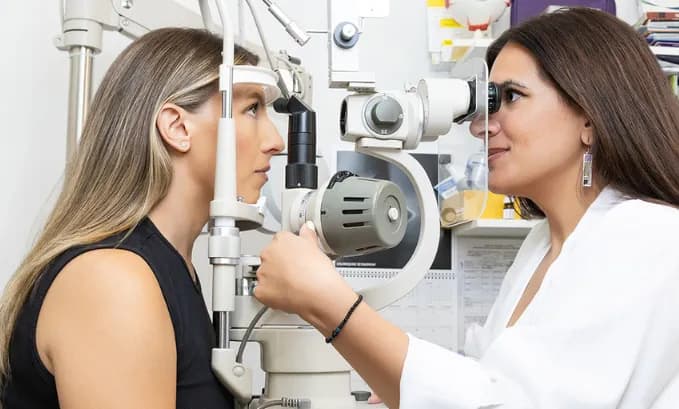
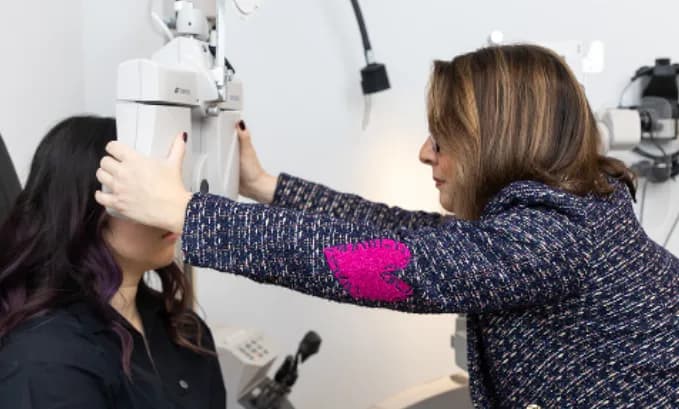
Here’s what usually happens when you take the DMV eye test at your local DMV office:
- You’ll stand or sit in front of a vision screening device or DMV eye chart at eye level
- You’ll be asked to read letters or symbols from the smallest row you can see clearly
- Some states will include a peripheral vision check by having you identify objects in your far-left and far-right fields of vision
- The eye specialist will measure your visual acuity to ensure you meet minimum vision requirements
If you wear prescription glasses or contact lenses for vision correction, you’re often allowed to use them. But what about the question “can you wear reading glasses for DMV vision test”? That’s where we’ll zoom in next.
Vision Requirements for Passing
Standards for passing the test vary by state, but most states require:
- 20/40 vision in one or both eyes (with or without corrective lenses).
- Adequate peripheral vision, generally a field of 140 degrees or more.
If you wear glasses during the test (reading glasses or otherwise), a note may be added to your license stating you’re required to wear corrective lenses while driving. No surprises, just transparency!
Can You Wear Reading Glasses for DMV Vision Test?
Reading glasses are lifesavers for anyone dealing with presbyopia—you know, when that restaurant menu starts looking more like abstract art. Designed to magnify nearby objects, they help you with tasks like reading fine print or threading a needle.
But here’s the catch when it comes to the DMV vision test: it’s focused primarily on distance vision and visual acuity measurement, not close-up clarity. Basic readers magnify objects close to your face, so they might not be ideal for spotting far-away letters or road signs during the test (unless, of course, your DMV specifically tests near vision).
Rules for Wearing Corrective Lenses
The DMV knows that not everyone has perfect 20/20 vision: this is why corrective lenses, including reading glasses, are generally allowed. Here’s how it works:
- If you rely on any type of glasses or contacts for everyday vision correction, you’re welcome to use them during the test.
- Once you pass with glasses or contacts, your driver’s license may include a “corrective lenses required” restriction.
However, take note, if reading glasses don’t improve your distance vision, they might not help you during the test. Only use them if they genuinely make the vision test easier for you.
When Reading Glasses Might Be Needed: Can You Wear Reading Glasses For DMV Vision Test
There are a few cases where bringing reading glasses could come in handy:
- Near-vision testing: Some states or license types (like commercial licenses) may evaluate your ability to read close-up text, where readers could be helpful.
- Backup plan: If you occasionally swap between glasses or adjust between near- and distance-focused lenses, it’s better to have them with you just in case.
Pro tip? Research your state’s DMV testing requirements ahead of time to avoid confusion and to know “can you use reading glasses for dmv eye test”.
Can You Use Reading Glasses for DMV Eye Exam?
State-Specific Rules
Not all DMVs have the same requirements. Some states might have lenient rules allowing you to use specific lenses based on your needs, while others may require more stringent testing for commercial or special endorsements. That means whether or not “can you wear reading glasses for DMV vision test” applies might vary based on where you live.
For example:
- California: Allows the use of glasses, but you’ll need to pass standard peripheral and distance vision checks.
- New York: Tests vision to ensure 20/40 or better, allowing corrective lenses if necessary.
Preparing for the Test with Glasses
Here are some tips to ensure your glasses (reading or otherwise) help you ace the DMV test:
- Check your lenses: Make sure they’re free of scratches or smudges to avoid disruptions.
- Wear your usual prescription: Using glasses you’re not accustomed to can throw off your focus.
- Rest your eyes: Avoid overstraining them before the test, as tired eyes can affect how well you see.
What Happens If You Fail the Test?
Failing the eye exam isn’t the end of the road, and it certainly doesn’t mean jail time! If you don’t meet the DMV’s visual requirements, you’ll likely receive instructions for:
- Getting an updated prescription or new glasses from an eye doctor
- Re-taking the eye test at a later date
- Applying for a restricted license until your vision improves
Think of it as an opportunity to ensure you’re truly road-ready and can drive safely.
Common Misconceptions About DMV Vision Tests
You Can’t Use Glasses
False! Glasses are often allowed, and many drivers pass with them. Just make sure your glasses are appropriate for the vision correction the test evaluates.
Reading Glasses Cover Everything
Not quite. Reading glasses are designed solely for close-up tasks, meaning they don’t support distance vision, which the DMV primarily tests for.
Failing Means You Lose Your Driver’s License
Don’t panic! A failed vision test typically points to the need for updated glasses or additional corrective measures, not an immediate loss of driving privileges.
Why Choose Optyx for Your Eyewear Needs?
The professional team at Optyx will ensure your glasses are perfect for both everyday use and passing tricky vision tests. Whether you need clear distance glasses, stylish progressives, or a trusty pair of reading glasses, Optyx offers variety, designed with your lifestyle in mind. Every set of eyes is different. Optyx crafts personalized recommendations and solutions to keep you driving safely and stylishly.

Conclusion
Can you wear reading glasses for DMV vision test? Yes, under the right circumstances! But keep in mind that reading glasses target close-up vision and won’t always align with DMV’s focus on distance clarity. Knowing your state’s rules and relying on the right lenses can make all the difference.
Before heading to the DMV, visit Optyx to ensure your glasses are up-to-date and designed to help you succeed. With OPTYX New York, clearer sight and smarter solutions are just an appointment away.