Common and usually chronic, dry eye syndrome results from your eyes not producing enough tears or the correct type of tears to maintain their proper lubrication. Symptoms include redness, discomfort, and impaired vision can follow from this. Starting with a thorough dry eye exam helps one to identify the underlying reasons and optimal therapy strategies. A dry eye physical exam is a sequence of examinations meant especially to assess tear production and quality as well as ocular surface general condition. Eye care professionals can ascertain the degree of tear film disturbance, evaluate underlying causes, and create a customized treatment plan to reduce pain and enhance eye health during a dry eye physical exam.
Understanding Dry Eye Syndrome
Definition and Symptoms
The disorder known as dry eye syndrome results from either inadequate tear generation or low quality of tears, therefore insufficiently lubricating the eyes. Common symptoms are burning sensation, itching, redness, light sensitivity, and gritty or sandy feeling in the eyes. Blurred vision and eye tiredness commonly occur, especially during activities that require constant visual attention.
Common Causes and Risk Factors
There can be somewhat different reasons of dry eye condition. The main cause is aging; tear formation usually decreases as one ages. Environmental elements include low humidity, smoke, and wind might aggravate conditions. Furthermore aggravating the situation is prolonged screen time without enough breaks or frequent use of contact lenses. Also influencing tear production are some drugs like antidepressants and antihistamines. Additionally raising the risk are autoimmune disorders include rheumatoid arthritis or Sjögren’s syndrome.
Impact of Dry Eye on Daily Life
Daily activities can be seriously disrupted by dry eye condition. Those with this disorder may find that their enthusiasm in reading, working on a computer, or watching television declines since these pursuits might cause discomfort and aggravation of symptoms. Driving, especially at night, can get difficult because of glare and less visual clarity. All things considered, the ongoing pain might lower quality of life and affect social contacts and job performance. Identifying and managing the problem is crucial for maintaining eye health and improving daily living experiences.
Why You Need a Dry Eye Physical Exam
Accurate diagnosis of the disorder and understanding its underlying causes depend on a dry eye physical exam. By means of this thorough assessment, eye care practitioners can evaluate the condition of your ocular surface and tear film, thereby customizing a treatment plan fit for your particular situation. Through this dry eye physical exam, patients can relieve symptoms and avoid any consequences connected with untreated dry eye condition.

What to Do Before Your Appointment for Dry Eye Exam
Starting a dry eye exam requires a few simple measures to guarantee you give your eye care practitioner a comprehensive picture of your situation. These actions will enable a successful diagnosis procedure and assist direct the analysis.
Noting Your Symptoms and Their Severity Before Dry Eye Exam
Recording your symptoms together with their frequency and intensity helps you to better understand them. Specifically state when your symptoms start and whether particular activities or surroundings aggravate them. This thorough description will help your eye care practitioner determine the degree of your condition and customize the dry eye physical during your dry eye exam to handle your issues.
Preparing Questions for Your Eye Care Professional for Dry Eye Exam
Spend some time getting ready questions you might have about dry eye syndrome and its management before your visit to dry eye exam. Think about tackling any features of the illness that perplex or cause concern for you. Ask about lifestyle modifications, therapeutic choices, and ways to reduce symptoms. Prepared questions will enable you to maximize your appointment and guarantee that you leave your dry eye exam knowing exactly what to do for management of the problem.
What to Expect During Your Dry Eye Exam
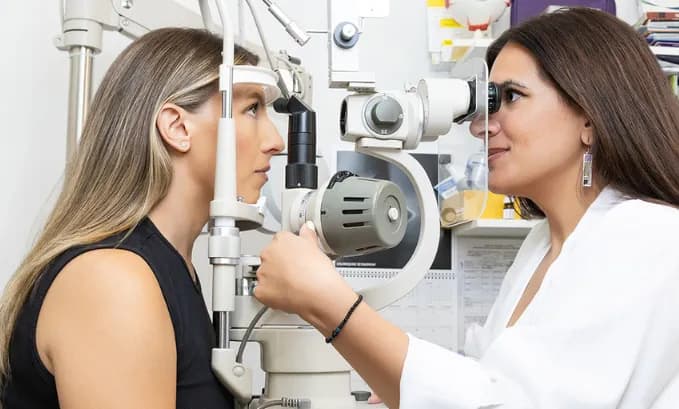
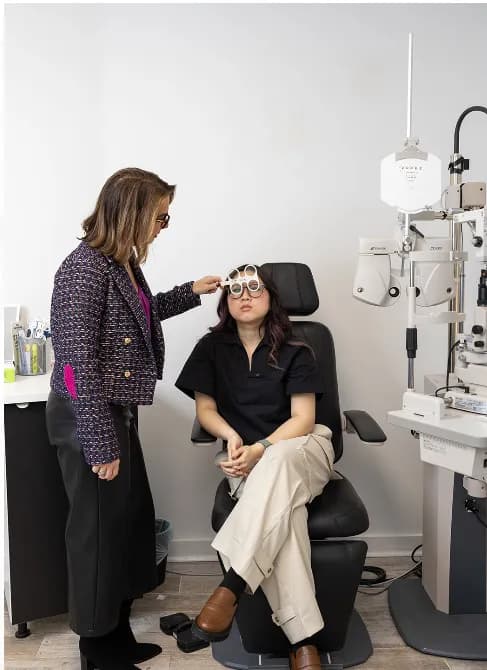
Your dry eye exam should provide a comprehensive assessment of your tear function and eye health. The process starts with your eye doctor probing thorough inquiries on your medical past and symptoms. They will do a set of diagnostic tests following the first conversation. These could be assessing the quality of your tears by looking at their breakup time on the ocular surface, quantifying the amount of your tears using the Schirmer test, and looking at your eyes using particular dyes like fluorescein or lissamine green. These colors accentuate any damage to your conjunctiva and cornea, thereby helping to evaluate your condition. Advanced imaging technologies may also be used by your eye care provider to provide finely detailed pictures of your meibomian glands and tear film.
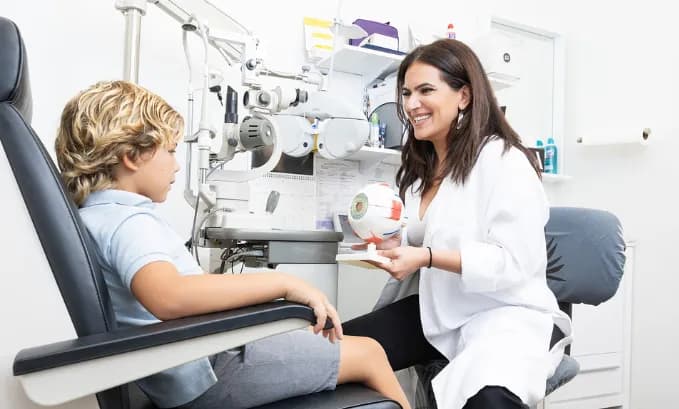
Your comfort comes first throughout the dry eye exam, and all processes are explained to make sure you know what each test entails. By the end of the assessment, you will have a complete picture of your dry eye situation and a customized treatment plan to properly control your symptoms after the dry eye exam.
Strategies for Effective Eye Health Management
Effective management of eye health and reduction of dry eye symptoms depends on a complete strategy combining professional advice from your eye care provider, lifestyle adjustments, and symptom alleviation. These techniques let people guarantee long-term eye comfort and preserve best vision.
Managing and Preventing Dry Eye
Managing dry eye calls for a multifarious strategy including underlying causes as well as symptom treatment. First and most importantly, routinely utilizing artificial tears or lubricating eye drops can greatly ease discomfort and stop more eye surface damage. Beyond that, techniques such eyelid massages and warm compress application to the eyelids can assist support good meibomian gland function, which is very vital for a steady tear film.
Lifestyle Changes and Environmental Adjustments
Apart from these steps, adjustments in lifestyle might be quite important in avoiding dry eye. Adopting the 20-20-20 rule—looking away from the screen every 20 minutes for at least 20 seconds at anything 20 feet away—helps those who spend significant time in front of digital screens avoid eyestrain and dryness. Whether you use a humidifier or bowls of water in rooms, ensuring enough humidity in your living area will help to prevent the surface of the eye from drying out. Moreover, keeping enough hydrated by drinking enough water every day promotes general eye condition.

Moreover, it’s important to deal with environmental aspects. Wearing sunglasses will help you protect your eyes from wind, sun, and dust; steer clear of spending time in too dry or smoky surroundings. To reduce irritation, those who wear contact lenses could want to talk about different lens options with their eye care practitioner or consider changing to glasses. In the end, working with your eye doctor to develop a customized treatment plan guarantees that you properly control dry eye symptoms and stop future occurrence. Medical treatments, lifestyle changes, and proactive maintenance taken together will help you to preserve best eye health and comfort.
Conclusion
For those seeking top-notch eye care services, Optyx tands out as the best provider for dry eye exam. Their commitment to quality and patient satisfaction ensures that each visit is thorough and personalized, offering not only expert assessments but also guidance in maintaining optimal eye health. With a team of professional optometrists and cutting-edge technology, Optyx continues to lead in vision care excellence and dry eye exams.