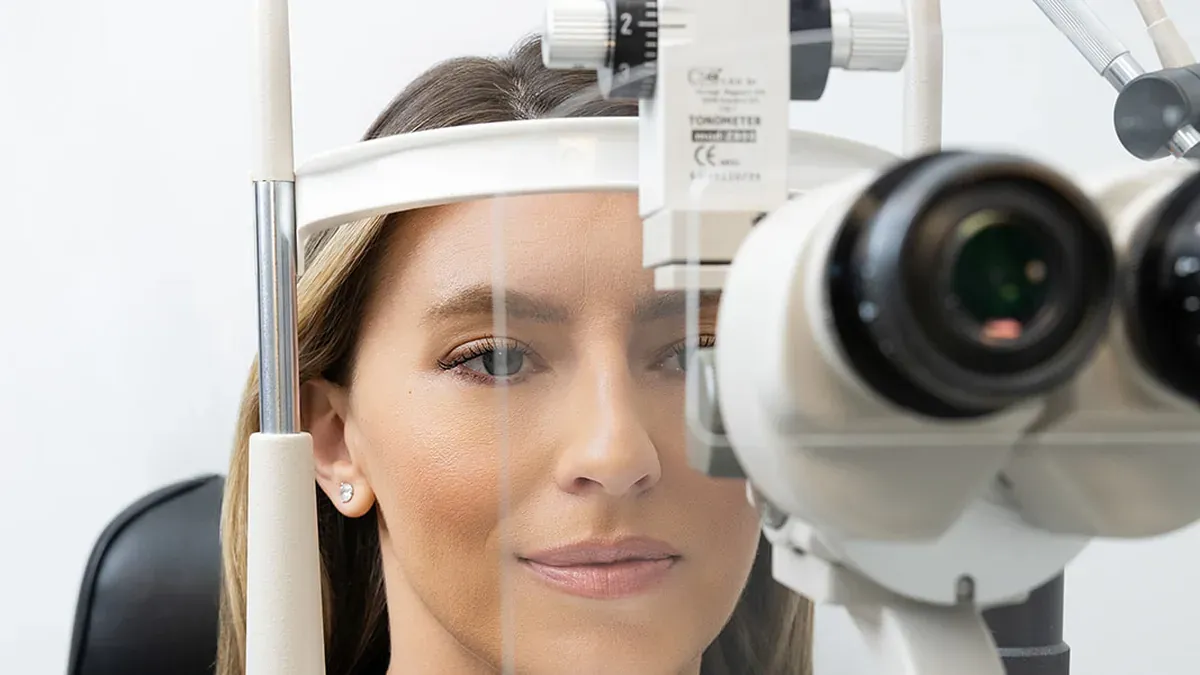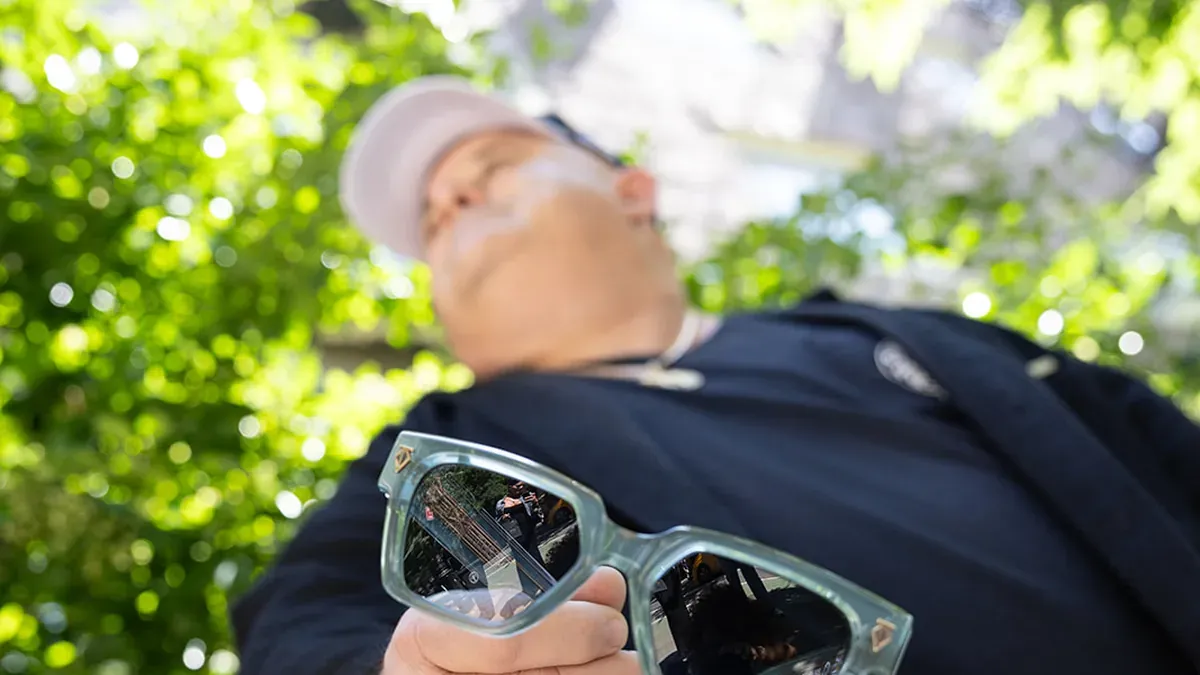

These photochromic lenses from Ray-Ban shift from clear indoors to a dark tint in direct sunlight, responding to UV exposure with no manual switch. No lens-swapping required. They block 100% of UVA and UVB rays at every tint level, and most frame styles accept prescription formats, including the Aviator and Wayfarer. Transition lenses remain one of the brand's most popular lens options.
Lens Features at a Glance
| Feature | What to Know |
|---|---|
| UV Protection | 100% UVA and UVB blocked at all tint levels |
| Tint Range | Near-clear indoors; fully darkened in direct sunlight |
| Prescription | Available for most Ray-Ban frame styles |
| Glare Reduction | Darkened tint cuts outdoor glare |
| Blue Light | Photochromic tint reduces blue-spectrum light exposure |
| Typical Lifespan | Up to two years with proper care |
Performance and Optical Benefits

They deliver measurable optical benefits beyond simple convenience. A 2016 study found that activated photochromic lenses significantly improved glare disability and heterochromatic contrast thresholds; the study also found improved photostress recovery time in the Gray1 lens condition. Photostress recovery time is how quickly your eyes return to normal vision after intense light exposure. Faster recovery means less temporary blindness when you step out of a dim indoor space into bright afternoon sun.
The practical value stacks up daily. The lenses eliminate the need to carry two pairs of glasses. Scratch-resistant coatings and anti-reflective treatment are standard, protecting the lens surface and reducing surface glare from screens and overhead lighting. Transition lenses UV protection meets international standards, full UVA and UVB coverage applies at every tint level, from nearly clear indoors to fully activated in direct sunlight. For people who wear corrective lenses most of the day, this means passive sun protection without any additional effort.
How Dark Do the Lenses Get?

The lenses darken fully in bright sunlight, reaching levels suitable for high-glare conditions like the beach, ski slopes, and open-road driving. The activation is UV-driven. Because of this, the lenses will not fully darken inside a car, since most automotive windshields filter UV before it reaches the lens.
Darkness level depends on lens color. Gray maintains accurate color rendering as the tint deepens, making it the most common choice for general outdoor use. Brown adds warmth and contrast, performing well in variable light. Both block 100% of UVA and UVB rays at peak activation. Return to a near-clear state happens within minutes indoors, though cold temperatures can slow the photochromic process, keeping lenses slightly tinted longer in winter conditions.
Are These Lenses Polarized?
Standard versions are not polarized. The two technologies work differently: photochromic lenses respond to UV light to change tint, while polarized lenses use a fixed filter to block horizontal glare from water, wet pavement, and other reflective surfaces. They address different optical problems and are not interchangeable.
Some lens configurations can combine photochromic and polarized properties in a single lens. For wearers who spend significant time near water or on snow, a transition lenses polarized option may be worth asking about. The latest trends in photochromic and custom-tint eyewear cover the broader range of options, and an OPTYX optician can confirm which frame and lens combinations are currently available in store.
Blue Light Filtering
Yes, to a meaningful degree. A 2017 study found that photochromic lenses provided a protective effect against blue LED light-induced cell damage in human retinal pigment epithelial cells, with brown and gray tints offering stronger protection than blue-tinted lenses. The same study found that polarized and blue-cut lenses provided no significant protective effect.
For most wearers, transition lenses blue light filtering is a byproduct of the photochromic darkening rather than a targeted feature. If digital eye fatigue is your primary concern, a dedicated blue-light-blocking lens addresses that more directly. Both approaches can be combined in a single pair, and an OPTYX optician can advise on whether that makes practical sense for your daily setup.
Prescription Options

Yes. Prescription transition glasses are one of the most common applications of photochromic technology, and Ray-Ban Aviator transitions alongside classic Wayfarer models are among the most frequently requested configurations. Most frames in the Ray-Ban collection at OPTYX accept prescription lenses, including transition options across single-vision, bifocal, and progressive formats.
At OPTYX, certified opticians and style icons across Manhattan, Long Island, the North Fork, the Hamptons, and Westchester can confirm current lens availability and ensure proper frame fit. An up-to-date prescription is required before ordering prescription lenses, so the process typically starts with a comprehensive eye exam.
Lifespan and Care
With proper care, they typically last up to two years. Ray-Ban backs the lens technology with a warranty covering defects and damage from normal wear and tear.
A few maintenance habits extend that lifespan. Store the glasses in their protective case when not in use. Avoid leaving them in a hot car, which accelerates photochromic coating degradation. Clean with a microfiber cloth rather than paper towels or clothing, which cause micro-scratches over time. If the photochromic coating stops responding to UV or the lenses develop persistent surface haze, that typically signals time for a replacement. Scratch-resistant and anti-reflective coatings are standard on these lenses, but both wear down faster without regular careful handling.
Book an Eye Exam
To find the right pair for your prescription and daily routine, Book an Eye Exam with an OPTYX optometrist.
Sources
- Renzi-Hammond LM et al. (2016). The effects of photochromic lenses on visual performance. Clinical & Experimental Optometry. PubMed
- Park SI et al. (2017). The Protective Effect of Brown-, Gray-, and Blue-Tinted Lenses against Blue LED Light-Induced Cell Death in A2E-Laden Human Retinal Pigment Epithelial Cells. Ophthalmic Research. PubMed