Standard prescription lenses do not block UV. For real prescription glasses UV protection, you need UV-blocking lenses, photochromic lenses, prescription sunglasses, or UV-rated contact lenses. The right choice depends on your outdoor routine. A comprehensive eye exam lets an OPTYX optometrist review your prescription and guide you to the protection level your eyes actually need.
Prescription Glasses UV Protection: Your Options at a Glance

Prescription wearers have five main paths to UV coverage. Each differs in blockage percentage, convenience, and daily practicality. The table below outlines the key differences.
| Option | UVA/UVB Coverage | Best Situation | Key Limitation |
|---|---|---|---|
| UV-blocking clear lenses | Up to 100% | Everyday indoor/outdoor use | Must be requested at order time |
| Photochromic lenses | Up to 100% | Variable light conditions | May not darken inside a car |
| Prescription sunglasses | 99-100% | Dedicated outdoor wear | Requires a second pair |
| Over-glasses (clip-on) | Varies by product | Occasional or driving use | Coverage inconsistent |
| UV-protective contacts (Class I) | 90% UVA / 99% UVB | Used alongside sunglasses | Does not cover full eye area |
Do Prescription Glasses Block UV Rays?
Not by default. Prescription glasses UV protection depends on the specific lens material or coating, not on having a prescription at all. Standard prescription lenses transmit UV light unless the lens material is UV-absorbing or a UV-blocking coating has been applied. Polycarbonate, one of the most common lens materials, filters most UV as an inherent property of the material. Standard plastic lenses and glass typically require an added coating to reach the same level of coverage. When you collect new glasses at OPTYX, your optician can confirm the specific UV rating for your lens and coating combination.
UV rays penetrate eye tissues and contribute to cataracts, macular degeneration, and cancers. Damage accumulates gradually, without early warning symptoms. That slow buildup is why adequate uv blocking eyewear matters even on overcast days, not only in direct summer sun.
What Is the Best UV Protection for Prescription Lenses?

UV-blocking clear lenses work for everyday use; prescription sunglasses provide the most consistent coverage for extended time outdoors. The best option aligns with how you actually spend time outside. If cost is a consideration, FSA funds can apply toward prescription glasses and lenses before your benefit year ends.
UV-Blocking Lenses
UV-blocking lenses come with a coating or a lens material that absorbs UV before it reaches the cornea. The coating is invisible. The lenses look and behave like standard glasses for indoor use. Polycarbonate and high-index lens materials often include UV blocking as part of the material itself, but confirm this with your optician rather than assuming coverage. Any lens claiming UV protection should document the specific UVA and UVB blockage percentages. Aim for lenses rated at 99-100% for both.
Prescription Sunglasses
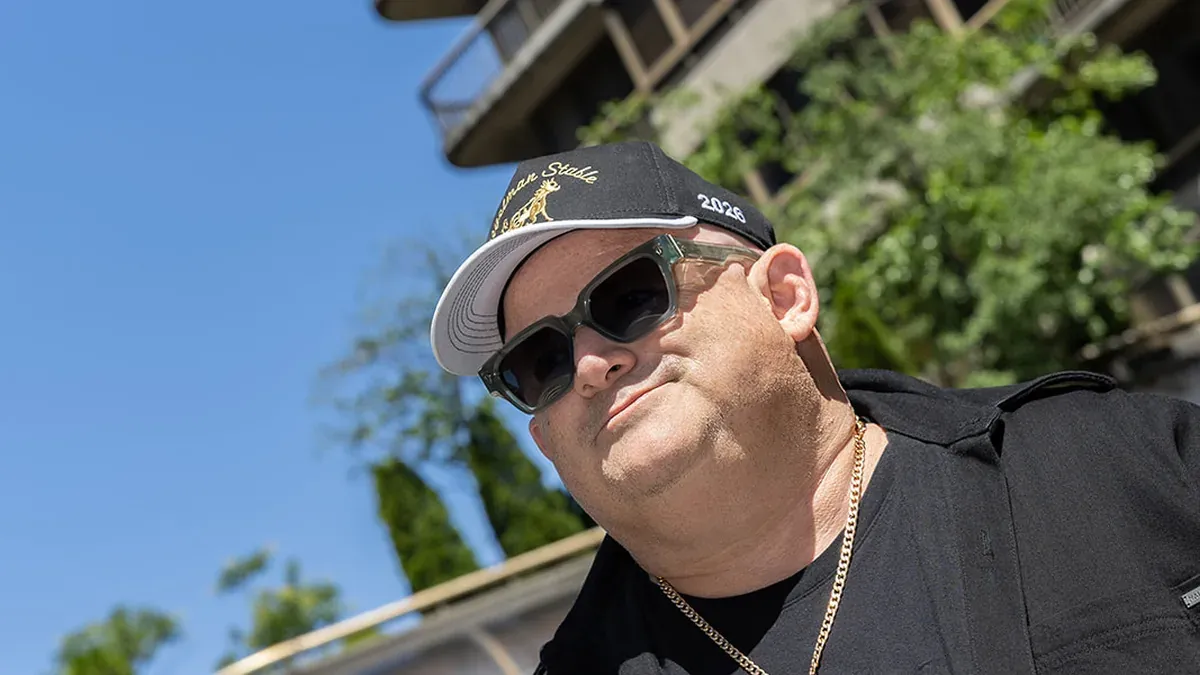
AKONI prescription sunglasses and other designer options at OPTYX combine 99-100% UV protection with full vision correction. A dedicated sunglass pair also provides glare reduction that a UV coating on clear lenses cannot match. That matters for driving, water, and sustained outdoor time. Frames from OPTYX's collection, including Chanel and AKONI, can be fitted with prescription lenses and solar tints rated for full UV spectrum coverage. The prescription sunglasses advantages become most obvious when you spend significant stretches in direct sunlight.
Over-Glasses Options
Clip-on and over-glasses styles sit on top of existing prescription frames and add a UV filter without a second prescription or fitting. They are inexpensive and practical for occasional outdoor use or driving. UV coverage varies significantly by product, so check the label before relying on any clip-on for full protection.
Are Photochromic Lenses Effective for UV Protection?
Yes. Photochromic lenses block UV radiation in both their clear and darkened states. The photochromic lenses benefits extend to convenience: lenses darken automatically in response to UV levels outdoors and clear up indoors, removing the need to switch between pairs. Transitions is the most widely recognized brand in this category, though multiple manufacturers offer comparable options.
The practical limitations are worth knowing. Cold temperatures slow the chemical reaction, so response time drops on bright winter days. Most photochromic lenses do not darken behind automotive glass because standard windshields filter the UV that triggers the color change. UV protection stays active regardless of whether the lens has darkened. For everyday variable outdoor exposure, photochromic lenses handle the basics well. For sustained outdoor activities under high UV, prescription sunglasses remain the more consistent choice.
Can Contact Lenses Protect Against UV Radiation?
Some can. The FDA classifies uv protection contact lenses into two tiers:
- Class I lenses block at least 90% of UVA and 99% of UVB radiation.
- Class II lenses block at least 70% of UVA and 95% of UVB radiation.
Class I is the higher-protection standard. UV coverage is not a standard feature across all soft contact lenses. A 2022 review found that UV protection is one of the properties that varies substantially across soft contact lens types and is not maintained when one lens type is substituted for another without verifying specifications (Efron et al., 2022).
Contact lenses cover only the corneal surface. The eyelids, sclera, and surrounding skin remain exposed. UV protection contact lenses reduce exposure to the cornea but do not replace sunglasses for complete uv eye damage prevention. For those weighing contacts against glasses for everyday wear, the most complete approach pairs UV-rated contacts with UV-blocking sunglasses.
What Level of UV Protection Do Eyes Need from Sunlight?

Both UVA and UVB rays damage eye tissue, so the target is 99-100% blockage for both. Lenses labeled "UV400" meet this standard. The "400" refers to 400 nanometers, the upper boundary of the UV spectrum. A UV400 lens blocks all radiation below that threshold.
Non-prescription sunglasses without genuine UV filtering carry a specific hidden risk. Dark tints cause the pupil to dilate. Without UV-blocking material in the lens, that dilated pupil results in more UV radiation reaching the eye than would enter under natural light without any eyewear at all. Always verify that any uv blocking eyewear carries a UV400 label or a documented 99-100% UV rating, not just a tint.
UV protection and blue light blocking lenses address different concerns. Blue light from digital screens operates in the visible spectrum and does not carry the same tissue-damaging energy as UV radiation. Screen-related eye fatigue calls for a separate lens conversation.
Book an Eye Exam
To find the prescription glasses UV protection option that fits your daily life, Book an Eye Exam with an OPTYX optometrist at any location across Manhattan, Long Island, the North Fork, the Hamptons, and Westchester.
Sources
- Efron N et al. (2022). All soft contact lenses are not created equal. Contact lens & anterior eye: the journal of the British Contact Lens Association. PubMed