Types of glasses frames divide into two organizing systems: how much frame surrounds the lens (full rim, semi-rimless, or rimless) and what the frame is made from (metal, acetate, or a combination of both). These two axes determine weight, durability, fit, and appearance. Knowing them before you shop makes the selection faster. For a deeper look at eyeglass frame materials including alloys and acetate variants, that guide covers what each material handles under daily wear.
What Are the Different Types of Eyeglass Frames?

Three rim styles define how a frame interacts with the lens:
| Rim Style | Construction | Key Benefit |
|---|---|---|
| Full Rim | Lens fully enclosed | Durability; works with any prescription strength |
| Semi-Rimless | Top or bottom rim only | Less visual weight; lighter feel |
| Rimless | Lenses drilled and mounted | Maximum lightness; near-invisible look |
| Combination | Metal and acetate mixed | Design range; structural balance |
Full rim glasses are the most widely worn type. A complete border surrounds the lens, distributes stress evenly, and keeps thick or high-index lenses secure. They work with virtually any prescription strength. Semi-rimless frames remove half that border, cutting visual bulk without sacrificing structural support. Rimless eyeglasses go further: lenses attach directly to the bridge and temples with small screws or mounts, leaving almost no frame visible from the front.
What Is the Difference Between Acetate and Metal Frames?

The acetate vs metal frames comparison matters because these two eyeglass frame materials behave completely differently on the face.
Metal frames, made from titanium, stainless steel, or aluminum, are thin, rigid, and easy for an optician to adjust. Metal nose pads and temples can be bent to match the exact geometry of an individual face. Titanium is the most valued option for its combination of strength and low weight.
Acetate comes from plant-based cellulose pressed into layered sheets. The layering distinguishes acetate from cheaper injected plastics: each layer carries its own color or pattern, and cutting through multiple layers produces the deep, two-tone looks solid plastic cannot replicate. Acetate is also warmer against the skin. The tradeoff is that it cannot be reshaped as precisely as metal.
Choosing between them usually comes down to two factors: how much precise adjustment the fit requires (metal reshapes more easily) and the look you prefer. Metal reads as precision and restraint. Acetate reads as bolder and warmer.
What Is a Combination Frame in Eyeglasses?
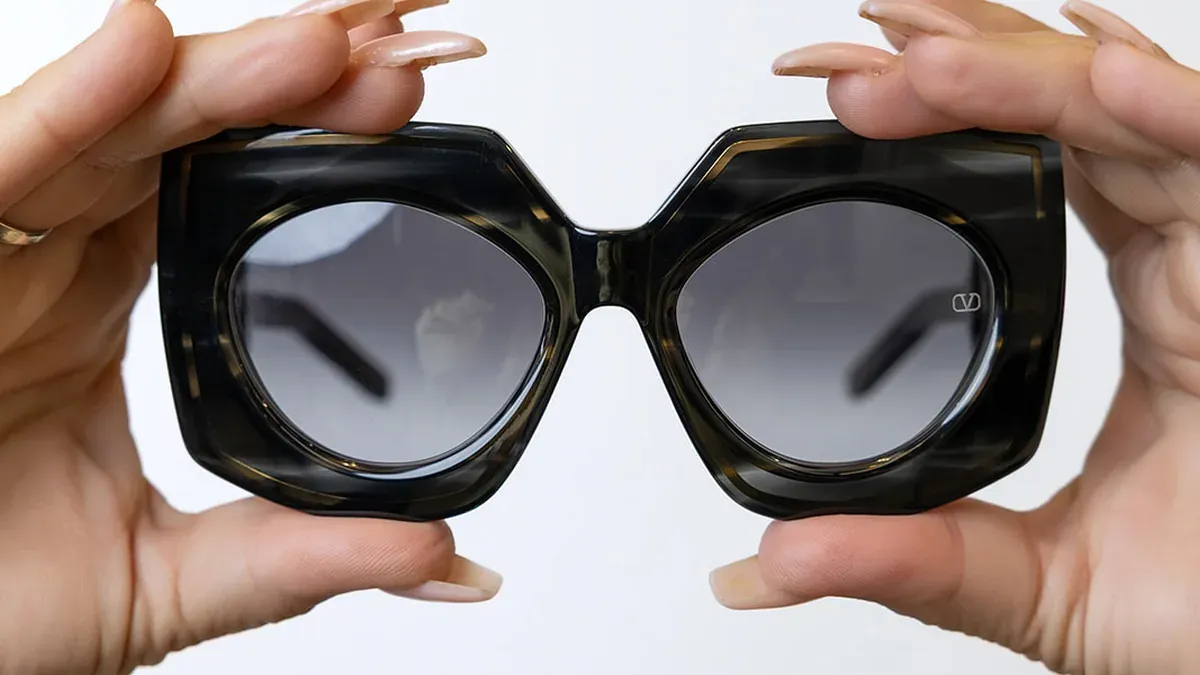
Combination frame glasses pair metal structural components with acetate or plastic elements. The bridge and temples are typically metal for rigidity and adjustability. The front of the frame or the rims carry acetate for color depth and visual presence.
This construction addresses a real gap in the types of glasses frames available. Pure metal can read as spare. Pure acetate has limited adjustability. Combination frames offer both. They are especially common in designer eyewear, where construction quality and aesthetic range need to coexist. For wearers who want a bold frame with real structural backbone, combination styles are a strong starting point.
Are Combination Frames More Durable Than Plastic Glasses?
Generally, yes. The metal elements in combination frame glasses, particularly the bridge, resist bending and fatigue better than a full acetate construction. The bridge takes the most mechanical stress from daily wear, so metal at that point extends the frame's service life. Full acetate frames can warp under sustained heat, such as a parked car in summer, in ways that metal-reinforced bridges resist.
That said, build quality within each category varies. A thick, reinforced acetate frame with solid hinges can outlast a thin combination frame. Material is a useful signal, but construction quality is the deciding factor.
How Do I Choose Glasses Frames for My Face Shape?

Understanding how to choose eyeglass frames starts with two variables: face shape and prescription strength. Face shape narrows the range of silhouettes worth trying. Prescription strength then determines which frame dimensions and materials work best.
Round faces have soft curves and roughly equal width and length. Angular frames, such as rectangular or square shapes, provide contrast and add definition. Glasses for round faces covers which specific shapes work well.
Square faces carry a strong jaw and wide forehead. Round or oval frames soften the angularity without competing with it. Frames for square face shapes walks through proportions in detail.
Oval faces have balanced proportions that suit most frame shapes. The key variable is frame width, which should roughly match the widest part of the face.
Heart-shaped faces are wider at the forehead and narrower at the chin. Frames wider at the bottom, such as round or cat-eye shapes, distribute visual weight downward and create balance.
Prescription strength shifts the equation further. High minus lenses look thinner in full rim frames with smaller lens dimensions. High plus lenses suit acetate frames with a thicker front, which diffuses the magnification effect naturally.
An OPTYX optician combines face shape and prescription together during a fitting. The practical range of types of glasses frames shifts when both factors are on the table at once.
Find the Right Frame at OPTYX
Book an Eye Exam at OPTYX for a current prescription and a personalized frame fitting in one visit.