
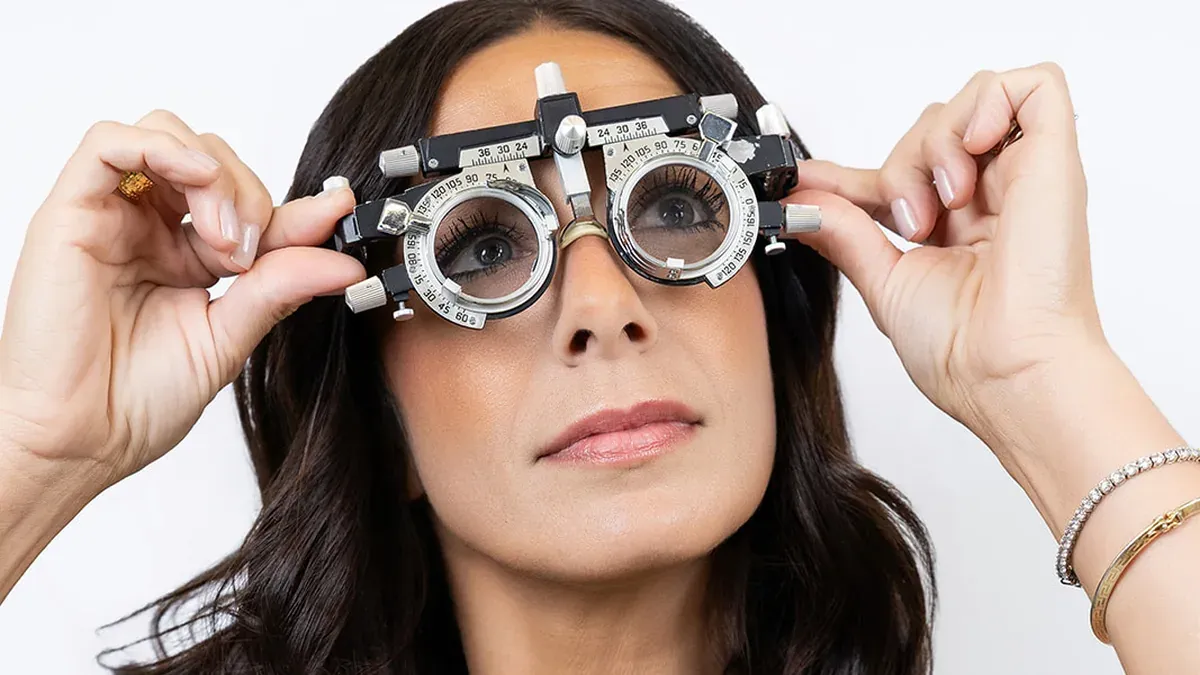
Most New Yorkers go years between eye exams, assuming clear vision means nothing is wrong. The eye care New York residents need most is proactive: an annual comprehensive eye exam that uses Optos retinal imaging to capture up to 200 degrees of the retina alongside checks for intraocular pressure, corneal health, and prescription accuracy. Glaucoma, macular degeneration, and diabetic retinopathy all develop without symptoms in their early stages. The routine eye exam NYC residents book annually is the most reliable form of eye disease prevention currently available.
What Does a Comprehensive Eye Exam Include?

A comprehensive eye exam covers both your vision and the structural health of your eyes. It is a full clinical evaluation, not a quick acuity check, and each component answers a question the others cannot.
| Exam Component | What It Evaluates |
|---|---|
| Visual acuity test | Distance and near vision clarity |
| Refraction | Prescription for glasses or contacts |
| Intraocular pressure measurement | Primary glaucoma screening |
| Slit-lamp examination | Cornea, lens, and anterior chamber health |
| Optos widefield retinal imaging | Up to 200° of retina, usually without dilation |
| OCT scan | Retinal layers and optic nerve structure |
| Color and depth perception testing | Functional vision beyond chart acuity |
Each test adds information the others cannot supply on their own. Intraocular pressure measurement is the standard glaucoma screening tool, and elevated readings trigger closer examination of the optic nerve before any vision loss is noticeable. Widefield retinal imaging reveals peripheral detail that conventional fundus photography misses, often catching early changes outside the central 45 degrees most cameras reach. The slit-lamp checks the anterior eye for signs of infection, inflammation, and early cataract formation. Reviewed together, these findings give the OPTYX optometrist the clinical picture needed to either confirm healthy eyes or recommend timely follow-up.
What Is the Difference Between a Vision Screening and an Eye Exam?
A vision screening checks only whether you can read a standard letter chart at a fixed distance. It is a quick filter, not a clinical diagnosis. The full exam measures how both eyes focus together, assesses intraocular pressure, examines the optic nerve and retinal layers, and looks for early signs of systemic conditions, including diabetes and hypertension, that often appear in the eyes before other symptoms emerge. School screenings and DMV vision checks miss most early-stage glaucoma and macular changes because they omit these additional steps entirely.
How Often Should Adults Get an Eye Exam?
Adults with no known eye conditions should schedule a vision health checkup at least once a year. For those with diabetes, a family history of glaucoma, high myopia, or a previous eye diagnosis, more frequent visits are typically recommended. Children benefit from annual exams throughout the school years, particularly when a prescription has been changing.
At OPTYX New York, optometrists set visit frequency based on each patient's individual risk profile, adjusting the schedule for those managing systemic conditions or showing early signs of change. Serious conditions like glaucoma, diabetic retinopathy, and macular degeneration are all largely symptom-free in their early and most treatable stages. A year is enough time for silent progression. Waiting for blurry vision or eye pain to book a visit means waiting too long for the conditions that matter most.
Eye Care New York: Can a Routine Exam Detect Serious Diseases?
Yes. A comprehensive exam is currently the most effective way to find early-stage macular degeneration, cataracts, and diabetic retinopathy before they damage vision. For patients with known or suspected glaucoma risk, a dedicated glaucoma eye exam adds specific nerve fiber layer imaging and visual field testing to the standard protocol.
Glaucoma produces no pain and no visual changes in its earliest phases. Elevated intraocular pressure and characteristic optic nerve changes appear on imaging years before any vision loss. Early detection does not always mean immediate treatment; often it means establishing a baseline, monitoring changes annually, and acting when progression crosses a clinical threshold. Diabetic retinopathy follows a similar pattern: retinal blood vessel damage visible on a widefield image precedes any symptom, and detecting it early gives both the eye care team and the primary care physician the best window for intervention.
A 2026 review summarizing glaucoma research advances concluded that artificial intelligence is improving the understanding of glaucoma and enhancing its diagnosis and management, with the National Eye Institute and National Institutes of Health spearheading several initiatives in this space.
If you notice sudden new floaters, flashes of light, or a shadow across part of your vision, do not wait for a scheduled appointment. These symptoms require same-day attention.
Managing Digital Eye Strain and Vision Health Between Visits

Screens are the main driver of digital eye strain among working-age New Yorkers. Symptoms include dry eyes, persistent headaches, and blurred near vision after extended computer or phone use. An NYC optometrist can determine whether the problem is screen habits, an outdated prescription, or a structural issue, since not every case of eye fatigue responds to reducing screen time alone.
Several everyday habits reinforce the gains from annual eye care New York exams:
- Taking regular breaks to focus on something at a distance relieves accommodation fatigue from sustained near work.
- Wearing sunglasses that block 100% of UV rays outdoors limits the cumulative exposure linked to cataract development and macular degeneration.
- Staying well hydrated supports healthy tear production throughout the day.
- Eating foods rich in vitamins A, C, and E, including carrots, oranges, and almonds, provides nutrients that support retinal function.
None of these habits replace an annual exam. They make it more productive when you arrive.
How Do I Choose an Eye Doctor in New York?

The most important factor is clinical scope. Look for a practice that meets these criteria:
- It conducts comprehensive widefield exams rather than standard acuity-only tests.
- It uses on-site imaging technology, including OCT and Optos retinal cameras.
- It maintains clear referral pathways to ophthalmologists for conditions requiring surgical care.
- It coordinates care with your primary care physician if you are managing diabetes, hypertension, or a family history of glaucoma.
The best eye care New York offers begins where diagnostic tools and clinical expertise are in the same room. If you manage a condition like glaucoma, ask whether the same optometrist sees you at each visit; continuity matters when subtle imaging changes need to be compared year over year.
To confirm your vision plan is accepted and find the most convenient location, contact your local OPTYX location before booking.
Start With a Comprehensive Exam
Book an Eye Exam at an OPTYX location near you and get the full clinical picture of your vision and eye health from a qualified NYC optometrist.
Sources
- Verticchio Vercellin A et al. (2026). The Future of Glaucoma: Data, Artificial Intelligence, and Precision Medicine for Patient-Centered Care. Journal of Glaucoma. PubMed