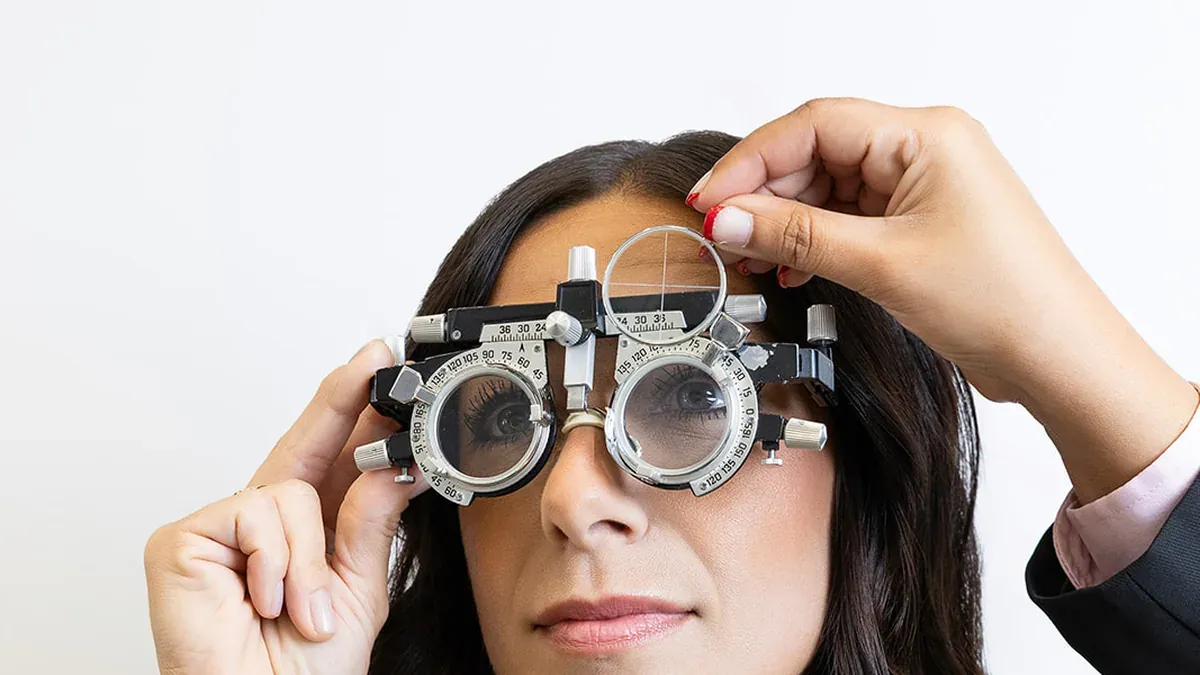

The best outdoor sunglasses block 100% of UVA and UVB radiation and cut glare so you can see clearly in bright or reflective conditions. They protect long-term eye health. If your prescription is outdated or you need guidance on which lens type fits your activities, an eye exam at OPTYX gives you an up-to-date prescription and professional lens recommendations.
The Best Outdoor Sunglasses: Key Features at a Glance

Before comparing brands or styles, the following criteria separate sunglasses built for outdoor use from those that simply look the part:
- UV protection: Lenses must block 100% of UVA and UVB radiation. Partial UV blocking raises your long-term risk of cataracts and age-related macular degeneration.
- Polarized lenses: Polarized coatings cut glare from reflective surfaces like water, snow, and pavement, making them essential for cycling, water sports, and running in bright conditions.
- Impact resistance: A higher rating means frames and lenses hold up under drops, collisions, and rough terrain.
- Secure fit: Frames that shift during movement cut coverage and cause distraction. Look for designs that contour to the face without pressure points.
- Scratch-resistant coating: Protective coatings maintain optical clarity over time and improve contrast and depth perception.
- Lens tint: Gray lenses reduce brightness without shifting color perception. Brown and amber lenses boost contrast in low-light conditions like fog or overcast snow.
For water sports, frames designed to float prevent loss if they go into the water. Runners benefit from ventilated designs that prevent fogging and keep peripheral vision open.
What Should I Look for in Outdoor Sport Sunglasses?

Start with UV protection and fit. Then match the remaining features to the sport.
Impact resistance matters most for cycling and trail running, where falls are a real risk. Falls happen fast. Moisture resistance matters for any activity involving sweat or water exposure. Lens tint choice affects visibility: gray works for general bright-sun use, brown and amber work better in variable light such as fog or snow. Wrap-around frames provide broader peripheral coverage and block wind and debris from the sides, which is exactly what cyclists and runners need.
One feature often overlooked: ventilation. Lenses with poor airflow fog under exertion, reducing visibility when you need it most. The active eyewear guide at OPTYX covers lens and frame options across specific outdoor activities in depth.
How Do Polarized Sunglasses Improve Vision Outdoors?
Polarized lenses filter horizontal light that bounces off flat surfaces. That eliminates the glare that causes squinting and eye fatigue. Standard eyewear blocks UV. It does not remove blinding surface reflections off wet roads or icy water. That difference is critical.
Polarized sunglasses UV protection is broader: they block radiation and eliminate glare that standard lenses cannot filter. Anglers rely on this because reduced glare lets them see beneath the water surface. Cyclists benefit because reflections off wet asphalt no longer cause sudden visual disruption mid-ride.
The polarized lens benefits extend beyond comfort. Less squinting means lower eye-muscle fatigue across a full day outdoors. Some polarized lenses pair with photochromic technology, adjusting tint automatically as light shifts, so a single pair works in sun and shade alike. For a detailed breakdown of how polarization works and when it matters most, the polarized sunglasses and glare reduction guide at OPTYX covers the optics and practical use cases.
What Benefits Do Wrap-Around Sunglasses Offer for Outdoor Use?
Wrap-around sunglasses outdoor coverage extends to the sides where flat frames leave gaps. The curved lens design blocks light, wind, and flying debris from the periphery.
Cyclists favor wrap-around frames because they block wind and grit that cause tearing and loss of focus. Wind wins otherwise. Runners benefit from the secure fit: the frame stays in place over distance without pinching. Peripheral coverage is a safety benefit when running in traffic or across uneven terrain, where wide field of view determines reaction time.
For water sports, wrap-around designs combined with polarized lenses and floatable frames provide protection without risk of losing the glasses to the water. Moisture-resistant coatings and grippy materials keep the frame secure under heavy effort.
What Are the Best Sunglasses Brands for Outdoor Activities?
Three brands available at OPTYX deliver consistent outdoor performance: Ray-Ban, Tom Ford, and Oliver Peoples.
Ray-Ban has become a standard reference for outdoor eyewear. The Chromance line uses polarized lenses with six layers of coating for high clarity and contrast in bright light. The hydrophobic coating repels water, perspiration, oil, and dirt, making these frames a reliable choice for surfing, swimming, or trail running in variable weather.
Tom Ford builds lens coatings into classic silhouettes, including aviators and cat-eye shapes suited to running and cycling. The coatings deflect sunlight while maintaining accurate color rendering outdoors.
Oliver Peoples has prioritized optical precision since 1987. All models include 100% UVA/UVB protection and anti-glare technology designed for demanding outdoor lighting conditions. Precision matters at this level. The sport sunglasses guide for men and women at OPTYX compares frame and lens configurations across activities.
Which Luxury Sunglasses Offer the Best UV Protection?
The best designer sunglasses for outdoor activities in the luxury category combine full UV protection with premium materials and advanced lens coatings. Luxury sport sunglasses from these designers perform at the same optical level as dedicated sport eyewear but use higher-grade frame materials.
Oliver Peoples guarantees 100% UVA/UVB protection across its full range. Ray-Ban's Chromance lenses add polarized glare reduction on top of UV blocking. Tom Ford uses precision coatings to deflect solar radiation across its outdoor lineup. Quality earns that price. All three are available at OPTYX, where certified opticians can match lens options to your prescription and activities.
Titanium and acetate frames used in these luxury lines are lighter and more corrosion-resistant than standard plastic under outdoor conditions. For prescription lenses in a luxury outdoor frame, the custom polarized sunglasses and lens types guide at OPTYX covers available configurations in full.
Caring for Your Best Outdoor Sunglasses

Good eyewear is worth protecting. Most people skip this. The coating on polarized and scratch-resistant lenses degrades faster when stored loose.
Keep your glasses in the provided case or a soft pouch when not in use. Contact with keys or hard surfaces creates fine scratches that reduce optical clarity over time. To clean, dampen a soft cloth with soapy water, brush away dirt gently, rinse with lukewarm water, and dry with a microfiber towel to prevent streaking. Paper towels and shirt fabric leave micro-abrasions on even scratch-resistant coatings.
Find Your Pair at OPTYX
Your prescription determines whether outdoor sunglasses perform at their full potential. Book an eye exam at OPTYX and get matched to the right outdoor lenses for your vision and activities.