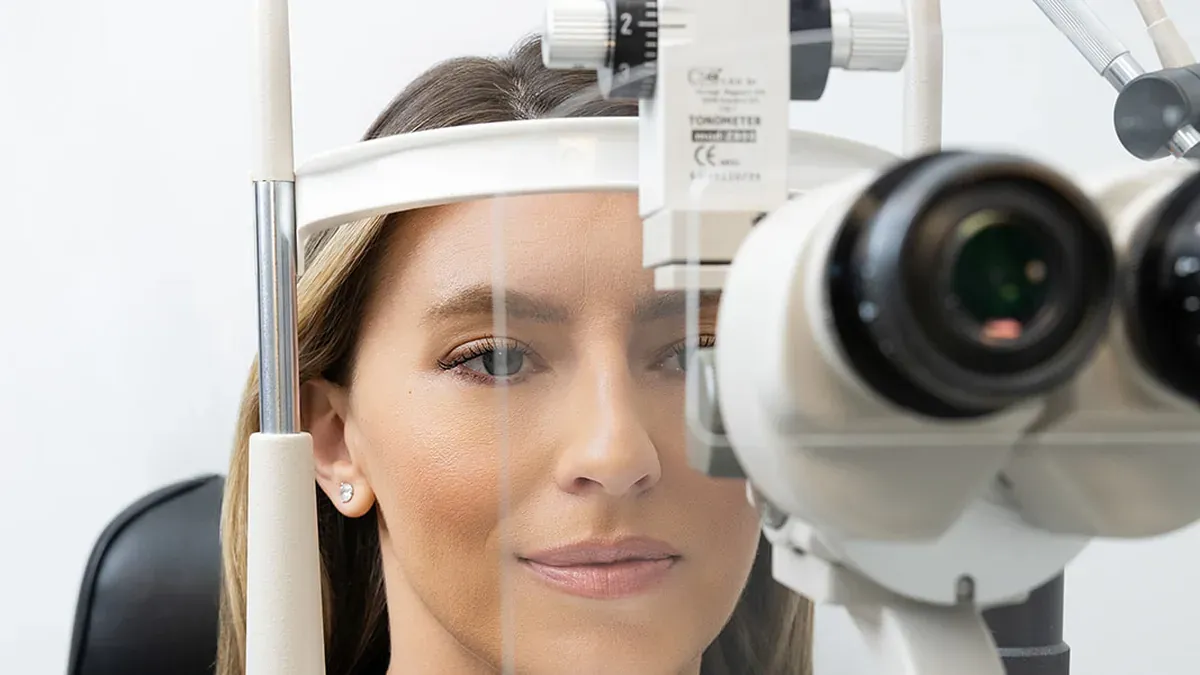
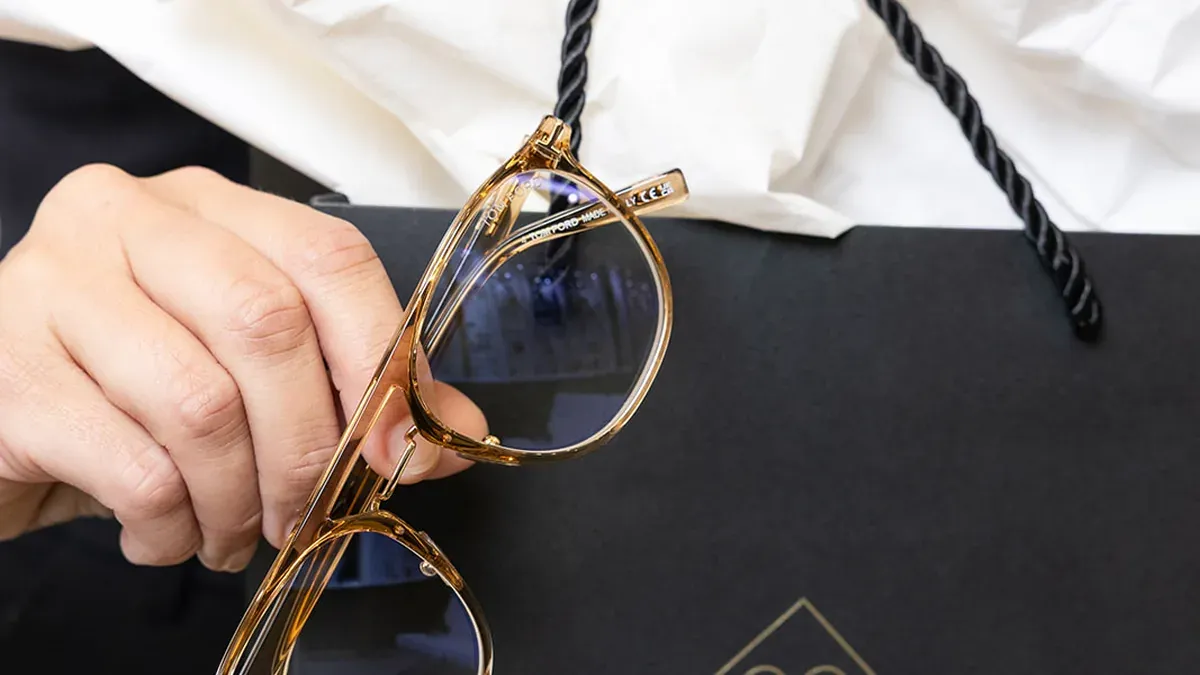
To clean glasses properly, rinse the lenses under lukewarm water, apply a drop of lens cleaning solution, work it in with clean fingertips, rinse again, and dry with a microfiber cloth for lenses. This two-minute routine supports anti-reflective coating care and prevents scratches from building up over time. Keeping your prescription current is just as much a part of lens care, so if it has been more than a year since your last visit, schedule an eye exam before assuming your lenses are still doing the work you need them to do.
Quick-Reference Glasses Care Routine

| Step | Use This | Avoid This |
|---|---|---|
| Rinse | Lukewarm running water | Dry wiping; hot water |
| Clean | Lens cleaning solution or gentle dish soap | Alcohol, window cleaner, vinegar |
| Dry | Clean, lint-free lens cloth | Paper towels, tissues, clothing |
| Store | Hard-sided glasses case | Lens-down on any surface |
Run through this glasses care routine each morning and lens damage becomes far less common.
How Do You Clean Glasses Without Scratching the Lenses?
Start with a rinse. Every single time. Dust and grit settle on lenses throughout the day, and pressing a cloth against a dry surface drags those particles across the coating like sandpaper. Lukewarm water loosens debris so it lifts away rather than scraping across.
Once rinsed, apply a small drop of lens cleaning solution to each lens. Work it in with clean fingertips, covering the nose pads, frame, and temple tips where skin oil and bacteria collect constantly. Rinse completely, then dry right away with a clean microfiber cloth for lenses. Make sure the cloth has not been washed with fabric softener, which leaves a thin residue that clouds the lens.
Air-drying also works well if you have time. Set the glasses on a clean surface and let them dry without wiping. To clean glasses properly at home without guesswork, a dedicated eyeglass cleaning kit solves the supplies problem: a small spray bottle of lens-safe solution and a few spare cloths means you always have what you need.
Your lenses may carry multiple treatments, from anti-reflective to UV-blocking coatings. Each responds best to gentle, pH-neutral solutions rather than anything designed for household glass surfaces.
What Is the Best Cloth to Clean Eyeglasses?
A clean microfiber cloth for lenses is the right answer. Full stop. It lifts oils and particles off the lens surface without dragging them, which is the mechanism behind most fine scratches people attribute to daily wear.
Wash your microfiber cloth regularly in warm water without fabric softener, then air-dry it. A dirty cloth redistributes oil rather than removing it. Keep a spare in your glasses case. Many eyeglass cleaning kit options include two or three cloths specifically so you have a clean backup ready when the first one needs washing.
Other fabrics carry real risk. Cotton can feel gentle on skin but is not cut for lens surfaces. Shirt tails, jersey fabric, and synthetic blends are worse. Paper towels and tissues feel soft but contain enough wood-fiber texture to scratch coated lenses with repeated use.
Can You Use Dish Soap to Clean Glasses?
Yes, one drop of the right kind. A gentle, fragrance-free, lotion-free dish soap applied with clean fingertips is a reliable lens cleaning solution substitute. It cuts through skin oil without damaging most lens coatings.
Avoid soaps with moisturizing additives, citrus extracts, or antibacterial agents. These leave a film that is harder to remove than the smudge you started with. Bathroom hand soap almost always contains conditioners. Keep the formula as simple as possible.
What Household Items Can You Use to Clean Eyeglasses?
Lukewarm water and a drop of gentle dish soap are the only reliable household substitutes for a dedicated cleaning solution. Most other items cause damage that builds up invisibly over weeks of use.
Vinegar and alcohol are too acidic or too drying for anti-reflective coatings. Window cleaners and disinfectant sprays contain ammonia or acetone. Anti-reflective coating care depends on pH-neutral cleaners applied gently, not anything formulated for windows or counters.
Paper towels, tissues, and napkins all have enough surface texture to leave micro-scratches on modern coated lenses. Wiping with your shirt is one of the most common glasses cleaning mistakes, even with cotton. If the fabric has picked up any grit during the day, it transfers directly to the lens.
How Often Should You Clean Your Glasses?
Daily, at minimum. Lenses pick up oil from eyelashes, fingertips, and skin throughout every waking hour. A morning rinse and wipe keeps vision sharp and takes under two minutes.
Frames and nose pads need their own attention. Bacteria accumulate in those contact zones between cleanings. A thorough weekly wash of the full frame, hinges included, prevents buildup that causes skin irritation and persistent lens haze. If lenses look cloudy right after cleaning, the coating may be compromised. An optician can inspect the lens surface and confirm whether a replacement is due.
If you alternate between glasses and contacts, the same daily glasses care routine applies on every day you reach for your frames. See Contacts or Glasses: Which Is Best for Your Eye Care? for help weighing the two over the long term.
How to Clean Glasses Properly: Mistakes to Avoid
Knowing what not to do matters as much as following the right steps. The most common glasses cleaning mistakes are:
- Wiping dry lenses before rinsing, dragging grit across the surface.
- Using paper towels, napkins, tissues, or shirt fabric instead of a proper lens cloth.
- Breathing on lenses and wiping immediately, which skips the rinsing step entirely.
- Applying household cleaners, alcohol, or hand sanitizer to coated lens surfaces.
- Setting glasses face-down on tables, counters, or nightstands without a case.
Each of these is easy to stop. Together, they account for most premature lens and coating damage. For a professional deep cleaning beyond what home care provides, any OPTYX New York location can clean frames and lenses thoroughly during a routine visit.
How to Store Eyeglasses
Store glasses in a hard-sided case every time they leave your face. Soft pouches protect against dust but offer no resistance to impact or surface pressure. Lens-down placement, even on a clean counter, puts direct stress on coatings and risks scratches from invisible debris.
Keep a second case in your bag or at your desk. Having one within reach removes the temptation to set glasses down wherever is convenient. If you manage multiple pairs, a dedicated cleaning routine for reading glasses keeps cloths and oils from transferring between pairs and makes each routine faster.
Children's frames need the same approach. A spare case and a small eyeglass cleaning kit kept at school means glasses are more likely to come home in good condition. Once you know how to clean glasses properly and have the right supplies within reach, the daily habit takes under two minutes and protects a significant investment.
Book Your Next Eye Exam
Book an Eye Exam at OPTYX in Manhattan, Long Island, the North Fork, the Hamptons, or Westchester to confirm your prescription is still doing the work your clean lenses are meant to deliver.