If you need reading glasses, are you farsighted? It’s one of those questions that pops up the moment you find yourself squinting at your phone or holding a menu at arm’s length. The simple answer might surprise you – it’s not quite that straightforward!
Vision isn’t just a black-and-white world of nearsighted versus farsighted. There’s a whole spectrum of how our eyes work (and sometimes don’t work) as we age. Whether you’re dealing with farsightedness, nearsightedness, or that sneaky age-related condition called presbyopia, understanding the difference can help you make smarter choices about your eyewear.
What Are Reading Glasses and How Do They Work?
Think of reading glasses as your personal magnifying glasses! These specialized lenses are designed to help you focus on close-up tasks – reading, crafting, checking your phone, or any activity that happens within arm’s reach.
Reading glasses work by providing additional magnifying power (measured in diopters) to help your eyes focus on nearby objects. They’re typically available in strengths ranging from +1.00 to +4.00, with higher numbers providing more magnification. Unlike prescription glasses that correct specific vision problems, reading glasses are all about making small text and fine details crystal clear.
The magic happens because these lenses bend light rays to help them focus properly on your retina, compensating for your eye’s decreased ability to change shape and focus on close objects – a natural part of aging that commonly affects people as they get older.
Are Reading Glasses for Nearsighted or Farsighted?
Here’s where things get interesting! The relationship between reading glasses and your distance vision isn’t as simple as you might think.
Understanding Farsightedness (Hyperopia)
Farsightedness means you can see distant objects clearly, but close-up items appear blurry or require extra effort to focus on. If you’re farsighted, your eye is essentially “too short,” causing light to focus behind your retina instead of directly on it.
People with farsightedness often experience eye strain when reading, especially as they get older. Farsighted reading glasses can be incredibly helpful because they provide the extra magnifying power needed to see close objects clearly without straining.
Understanding Nearsightedness (Myopia)
Nearsightedness is the opposite – you see close objects clearly, but distant ones are blurry. Your eye is “too long,” causing light to focus in front of your retina rather than on it.
Here’s the plot twist: people with mild nearsightedness sometimes have a natural advantage for reading! They can often see close objects clearly without any help. However, this doesn’t mean reading glasses for nearsightedness are never needed.
If You Need Reading Glasses, Are You Farsighted?
If I need reading glasses, am I farsighted? Not necessarily! This is one of the biggest misconceptions about vision correction. Needing reading glasses doesn’t automatically make you farsighted – it usually means you’re experiencing presbyopia, which affects everyone regardless of whether they’re nearsighted or farsighted.
Presbyopia is an age-related condition that affects everyone, typically starting in your 40s. Your eye’s lens becomes less flexible over time, making it harder to focus on close objects regardless of whether you’re nearsighted or farsighted. So are reading glasses for nearsighted or farsighted people? The answer is: potentially both!
Farsighted Reading Glasses: What You Need to Know
How Farsightedness Affects Reading
If you’re farsighted, reading has probably always been a bit of a workout for your eyes. You might notice headaches after reading, eye strain, or that you need to hold books farther away to see them clearly.
Are reading glasses for farsightedness? Absolutely! Farsighted individuals often benefit significantly from reading glasses because they provide that extra boost needed to focus on close objects comfortably.
The combination of natural farsightedness plus age-related presbyopia can make reading particularly challenging. Reading glasses help by providing additional magnifying power,
How to Choose the Right Reading Glasses
Get a Comprehensive Eye Exam
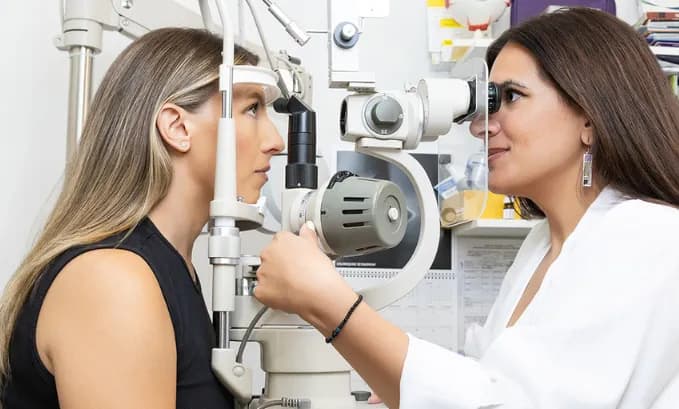
Before diving into the world of reading glasses, start with a comprehensive eye exam. Optyx New York stands out as one of the best providers for thorough eye examinations, offering detailed assessments that go beyond basic vision screening.
A professional eye exam will determine whether you’re dealing with presbyopia, farsightedness, nearsightedness, or a combination of conditions. This information is crucial for selecting the right type of vision correction.
Consider Your Vision Needs
Think about your daily activities. Do you spend hours at a computer? Read in dim lighting? Work with small details? Your lifestyle plays a huge role in determining what type of reading glasses will work best for you.
Computer work might require slightly different magnification than book reading, and some people benefit from blue light filtering lenses for digital screen use.
Why Professional Fittings Matter
Over-the-counter reading glasses might seem convenient, but professional fittings ensure optimal comfort and vision correction. A proper fitting considers your pupillary distance, face shape, and specific vision needs – factors that can make a huge difference in your visual comfort.

Why Choose Optyx for Your Eyewear Needs?
Expert Consultations
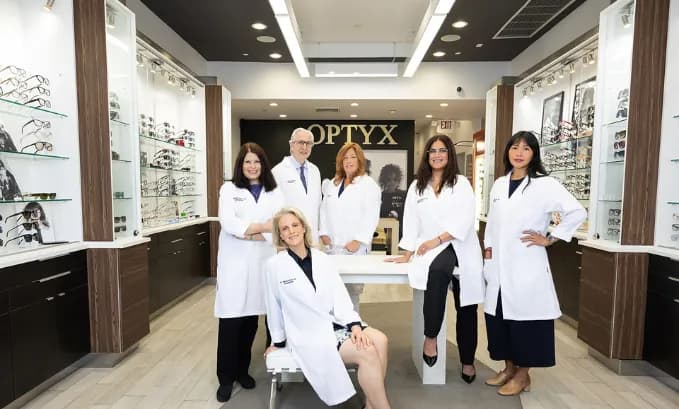
At Optyx, vision care isn’t just about selling glasses – it’s about understanding your unique needs and lifestyle. Our eye care professional consultations help determine whether you need farsighted reading glasses, solutions for nearsighted reading, or something entirely different.
High-Quality Lenses and Frames
From anti-reflective coatings to blue light protection, Optyx offers premium lens options that enhance your visual experience. Their frame selection combines style with comfort, ensuring you love how you look and feel in your new eyeglasses.
Tailored Solutions for Every Lifestyle
Whether you need reading glasses, progressive lenses, or specialized computer glasses, Optyx creates customized solutions that fit your life perfectly. No one-size-fits-all approaches here!
Conclusion
So, are reading glasses for nearsighted or farsighted people? The truth is, they can benefit both! The key is understanding that needing reading glasses usually signals presbyopia – a natural aging process that affects everyone regardless of their distance vision.
The most important step? Getting a professional eye exam to understand your specific vision needs. Whether you’re farsighted, nearsighted, or somewhere in between, the right eyewear can transform your reading experience from frustrating to fantastic.
Ready to see the world (and your favorite books) more clearly? Contact OPTYX New York today for an expert consultation and discover the perfect eyewear solution for your unique vision needs!