
If you’ve been diagnosed with glaucoma, you might be wondering: can you drive with glaucoma? The good news is that many people continue to drive safely for years after diagnosis. At OPTYX New York, we help patients understand whether they can you drive with glaucoma and what steps to take. The key is knowing how this condition affects your vision and when adjustments might be needed.
How Glaucoma Affects Your Driving
Glaucoma primarily damages your peripheral vision, which is the side vision you rely on while driving. This can make certain driving tasks more challenging, even when your central vision remains sharp. Many patients ask can you drive with glaucoma, and the answer depends on how much peripheral vision remains.
Research shows that drivers with glaucoma may have difficulty with:
- Maintaining proper lane position
- Noticing pedestrians at intersections
- Safely changing lanes or merging
- Detecting vehicles approaching from the side
- Reacting to unexpected obstacles
The tricky part is that you might not realize your peripheral vision has changed. Many people wondering can you can drive with glaucoma don’t know that they can still have 20/20 central vision while their side vision has significantly narrowed.
Can You Drive at Night With Glaucoma?
Night driving presents extra challenges for people with this condition. Many patients ask can you drive at night with glaucoma, and the answer depends on your specific symptoms and how well you manage them.
Common night driving difficulties include:
- Seeing halos or starbursts around headlights and streetlights
- Increased sensitivity to oncoming headlight glare
- Trouble adjusting when moving from bright to dark areas, like entering a tunnel
- Reduced ability to see in low-contrast conditions
- Difficulty judging distances in the dark
If you experience these issues, you may wonder can you drive at night with glaucoma safely. For many people, limiting driving to daytime hours is the best solution. Avoiding rush hour and nighttime travel significantly improves comfort and safety.
So can you drive at night with glaucoma? If glare and halos make you uncomfortable, stick to daytime driving. Talk to your optometrist about whether you can drive at night with glaucoma or if restrictions would be safer for you.
Vision Requirements for Driving
From a legal standpoint, can you still drive with glaucoma? In most states, including New York, you need to meet specific vision standards to hold a driver’s license.
Typical requirements include:
- Visual acuity of 20/40 or better (with glasses or contacts if needed)
- Horizontal visual field of at least 120 degrees
- Vertical visual field of at least 20-30 degrees
If your vision falls between 20/40 and 20/70, you may receive a restricted license that limits night driving or highway travel. Many patients find that yes, they can still drive with glaucoma as long as they meet these requirements.
If you’re asking, can you still drive with glaucoma with your current vision? DMV eye exams at OPTYX New York can help you get the documentation you need for your license renewal.
Warning Signs It’s Time to Limit Driving
Even if you can drive with glaucoma today, knowing when to cut back is important for your safety and others on the road. Ask yourself these questions honestly:
- Have you had any near-miss accidents recently?
- Do you get lost on routes you’ve driven many times?
- Is it harder to read road signs until you’re very close?
- Do other drivers honk at you more often?
- Have family members or friends expressed concern about your driving?
- Do you feel anxious or exhausted after driving?
- Have you noticed new dents or scratches on your car?
If you answered yes to any of these, it may be time to talk with your optometrist. A professional driving evaluation can also provide objective feedback about your abilities.
Tips for Safer Driving With Glaucoma
If you can drive with glaucoma and want to stay safer on the road, these strategies help:
Keep your prescription current. Regular eye exams ensure your glasses or contacts give you the best possible vision.
Consider anti-glare lenses. Anti-reflective coatings and amber-tinted lenses can reduce glare from headlights and improve contrast.
Move your head more often. Scanning side to side and checking mirrors frequently helps compensate for reduced peripheral vision.
Plan your routes carefully. Stick to familiar roads, avoid heavy traffic times, and choose well-lit routes when possible.
Know your limits. If night driving feels uncomfortable, schedule errands and appointments during daylight hours.

Why Regular Eye Exams Matter
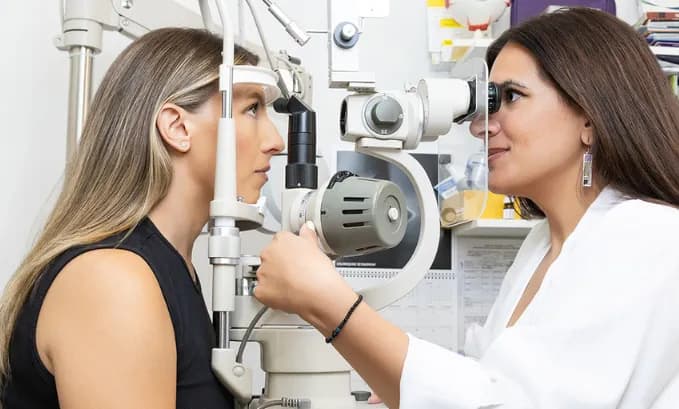
Since glaucoma progresses slowly and often without noticeable symptoms, regular comprehensive eye exams are essential for monitoring your condition. Your optometrist can track changes in your visual field and help determine if you can still drive with glaucoma safely over time.
At OPTYX New York, we use advanced Optos ultra-widefield imaging technology to capture detailed views of your retina. This helps us detect subtle changes that could affect your vision and your ability to drive safely.
Early detection and consistent monitoring give you the best chance of preserving your vision and maintaining your independence on the road.
Protect Your Vision and Stay Safe on the Road
So, can you drive with glaucoma? For many people, the answer is yes, especially with proper monitoring and smart adjustments to driving habits. The most important step you can take is staying on top of your eye health with regular exams.
Ready to check on your vision? Schedule your comprehensive eye exam at your nearest OPTYX New York location today. With 14 convenient locations across New York, quality eye care is always close by.