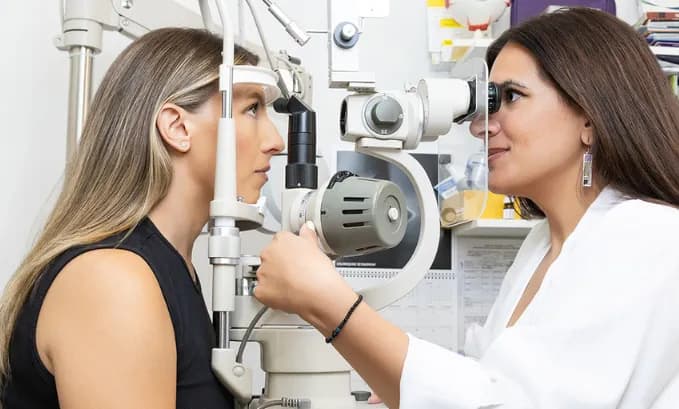
In the refined world of eyewear maintenance, where crystal-clear vision meets impeccable style, few skills prove as essential as knowing how to clean glasses properly. At OPTYX, the distinguished optometrist service serving New York City and Long Island since 1971, we understand that your eyewear represents more than mere vision correction – it’s an investment in clarity, comfort, and confidence that deserves meticulous care.
The art of proper eyewear maintenance extends far beyond casual wiping with whatever fabric happens to be nearby. Understanding how to clean glasses lenses correctly ensures optimal visual performance, extends the lifespan of your investment, and maintains the sophisticated appearance that quality eyewear deserves.
Understanding Your Eyewear Investment
Modern eyewear represents sophisticated optical engineering, incorporating advanced lens technologies, specialized coatings, and precision craftsmanship. Whether you’re wearing designer frames from a curated collection or specialized lenses with anti-reflective coatings, each pair requires specific care techniques to maintain optimal performance.
The question of how to clean your glasses properly becomes particularly important when you consider the various lens types and coatings available today. Anti-reflective coatings, blue light filtering technology, and photochromic lenses each have unique care requirements that, when properly addressed, ensure years of clear, comfortable vision.
The Science Behind Proper Lens Cleaning
Understanding the microscopic world of lens surfaces reveals why proper cleaning techniques matter so significantly. Lens surfaces, while appearing smooth to the naked eye, actually contain microscopic textures and specialized coatings that can be damaged by improper cleaning methods.
When considering how to clean blue light glasses, it’s essential to recognize that these specialized lenses often feature delicate coatings that filter harmful blue light wavelengths. Harsh cleaning methods or inappropriate cleaning solutions can compromise these coatings, reducing their effectiveness and potentially voiding warranty coverage.
The physics of lens cleaning involves more than simply removing visible debris. Oils from skin contact, environmental pollutants, and microscopic particles create complex contamination layers that require systematic removal techniques to avoid scratching or coating damage.
Essential Tools for Professional-Quality Lens Care
Proper eyewear maintenance begins with having the right tools readily available. The foundation of effective lens cleaning starts with high-quality microfiber cloths specifically designed for optical surfaces. These cloths, available at OPTYX locations, feature ultra-fine fibers that lift and trap particles rather than pushing them across lens surfaces.
Professional lens cleaning solutions represent another crucial component of proper eyewear care. These specially formulated solutions dissolve oils and remove contaminants without damaging lens coatings or frame materials. Understanding how to properly clean glasses requires recognizing that household cleaners, paper towels, and clothing fabrics can cause irreversible damage to your eyewear investment.

Step-by-Step Professional Cleaning Technique
The process of how to clean glasses lens begins with proper preparation. Start by rinsing your glasses under lukewarm running water to remove loose particles and debris that could scratch lens surfaces during cleaning. This initial rinse proves particularly important for outdoor activities or dusty environments.
Apply a small amount of professional lens cleaning solution to both sides of each lens. Avoid using excessive amounts, as this can leave residue and attract additional contaminants. The cleaning solution should be specifically designed for optical surfaces and safe for all lens coatings and frame materials.
Using gentle circular motions, clean each lens surface with a clean microfiber cloth. Start from the center of the lens and work outward, ensuring complete coverage while avoiding excessive pressure that could damage delicate coatings. This technique ensures thorough cleaning while minimizing the risk of scratching or coating damage.
Specialized Cleaning Techniques for Different Lens Types
Understanding how to clean reading glasses requires recognizing that these lenses often accumulate oils and debris from frequent handling and close-proximity use. Reading glasses benefit from more frequent cleaning, particularly around the nose bridge and temple areas where skin contact occurs most frequently.
The process of how to clean blue light glasses involves additional considerations for preserving the specialized coatings that filter harmful wavelengths. These lenses should never be cleaned with alcohol-based solutions or abrasive materials that could compromise the blue light filtering effectiveness.
Progressive lenses and multifocal designs require particular attention to cleaning technique, as these complex optical surfaces can show smudges and distortions more readily than single-vision lenses. The cleaning process should cover the entire lens surface, paying special attention to the transition zones between different prescription powers.
Professional Cleaning Methods and Tools:
- Use only microfiber cloths specifically designed for optical surfaces
- Apply professional lens cleaning solutions formulated for eyewear
- Rinse glasses with lukewarm water before cleaning to remove debris
- Clean both sides of each lens using gentle circular motions
- Pay special attention to nose pads and temple areas where oils accumulate
- Store glasses in protective cases when not in use
- Schedule professional cleaning and adjustment services at OPTYX regularly
Common Cleaning Mistakes to Avoid
Many eyewear owners unknowingly damage their glasses through well-intentioned but improper cleaning techniques. Using paper towels, tissues, or clothing to clean lenses can cause microscopic scratches that accumulate over time, reducing optical clarity and creating permanent damage.
Household cleaning products, including window cleaners, dish soap, and alcohol-based solutions, can damage lens coatings and frame materials. These products may appear to clean effectively initially, but can cause long-term damage that compromises both appearance and optical performance.
The mistake of cleaning dry lenses represents another common error that can cause significant damage. Always rinse glasses with water or apply cleaning solution before wiping to ensure that particles are suspended in liquid rather than dragged across lens surfaces.

Frequently Asked Questions: Professional Glasses Care
How often should I clean my glasses?
Daily cleaning is recommended for optimal vision and hygiene, with more frequent cleaning needed in dusty or oily environments.
Can I use household cleaners on my glasses?
No, household cleaners can damage lens coatings and frame materials. Use only professional lens cleaning solutions designed for eyewear.
What’s the best way to dry my glasses after cleaning?
Use a clean, dry microfiber cloth with gentle dabbing motions rather than wiping to avoid streaking and potential scratching.
How do I clean anti-reflective coating safely?
Anti-reflective coatings require gentle cleaning with appropriate solutions and microfiber cloths. Avoid abrasive materials and harsh chemicals.
When should I seek professional cleaning services?
Schedule professional cleaning and adjustment services every six months or whenever you notice persistent smudging, loose screws, or fit issues.
Take Action: Invest in Professional Eyewear Care
Don’t compromise the clarity and longevity of your eyewear investment with improper cleaning techniques. Visit OPTYX today to learn professional cleaning methods and acquire the proper tools for maintaining your glasses at home.
Contact OPTYX at our convenient New York City or Long Island locations to explore our selection of professional cleaning supplies and schedule expert eyewear maintenance services.
Visit OPTYX today – where exceptional eyewear meets professional care guidance, ensuring crystal-clear vision and lasting eyewear performance.