worldwide. This condition arises from prolonged high blood sugar levels, which damage the blood vessels in the retina, leading to vision loss if untreated. Early detection and monitoring are crucial for managing diabetic retinopathy effectively. At OPTYX New York, we utilize cutting-edge diabetic retinopathy Optos® technology to enhance the detection and management of this condition.
Optos® technology employs ultra-widefield imaging, a revolutionary advancement in retinal imaging. Unlike traditional methods that capture only a limited view of the retina, Optos® diabetic retinopathy systems can image up to 200 degrees of the retina in a single capture. This comprehensive view allows for earlier detection of retinal changes associated with diabetic retinopathy, enabling timely intervention. The integration of diabetic retinopathy Optos® technology at OPTYX New York underscores our commitment to providing advanced eye care solutions.
How Optos® Technology Works for Diabetic Retinopathy Detection
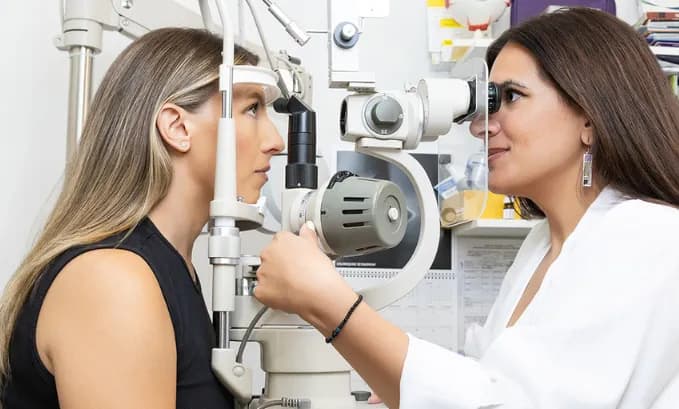
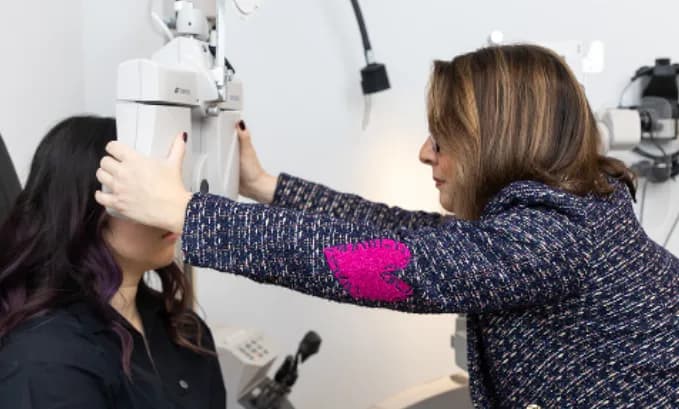
Optos® diabetic retinopathy technology is renowned for its ultra-widefield imaging capabilities, which are pivotal in detecting diabetic retinopathy. The device uses low-powered laser wavelengths to capture high-resolution images of the retina. This non-invasive procedure is quick and comfortable for patients, making it an ideal choice for routine screenings.
The ultra-widefield imaging provided by diabetic retinopathy Optos® allows clinicians to observe peripheral retinal changes that might be missed with conventional imaging techniques. This is particularly important in diabetic retinopathy, where early signs often appear in the peripheral retina. By capturing a more comprehensive view, Optos® diabetic retinopathy technology enhances the accuracy of diagnoses and the effectiveness of treatment plans.
Moreover, Optos® technology integrates advanced software that assists in analyzing retinal images. This software can highlight areas of concern, such as microaneurysms or neovascularization, which are indicative of diabetic retinopathy progression. By facilitating detailed analysis, diabetic retinopathy optos technology supports clinicians in making informed decisions about patient care.

Benefits of Optos® for Diabetic Retinopathy Diagnosis
The benefits of using Optos® for diagnosing diabetic retinopathy are manifold. Firstly, the ability to capture a wide view of the retina in a single image reduces the need for multiple imaging sessions, saving time for both patients and optometrists. This efficiency is particularly beneficial in busy settings like OPTYX New York.
Secondly, the enhanced imaging capabilities of Optos® lead to improved diagnostic accuracy. By providing a detailed view of the retina, Optos® helps in identifying subtle changes that might indicate the onset or progression of diabetic retinopathy. Early detection is crucial in managing the condition and preventing vision loss.
Additionally, Optos® technology supports better patient engagement. The high-resolution images can be shared with patients, helping them understand their condition and the importance of regular monitoring. This transparency fosters a collaborative approach to eye care, encouraging patients to adhere to treatment plans and follow-up appointments.®Additionally, Optos technology supports better patient engagement. The high-resolution images can be shared with patients, helping them understand their condition and the importance of regular monitoring. This transparency fosters a collaborative approach to eye care, encouraging patients to adhere to treatment plans and follow-up appointments.
Applications and Patient Outcomes with Optos® Technology
Monitoring Diabetic Retinopathy Progression
Optos® technology helps track changes in the retina over time, providing valuable insights into the progression of diabetic retinopathy. This allows optometrists at OPTYX New York to evaluate the effectiveness of treatment and make adjustments when necessary.
Improved Patient Outcomes
Early detection and intervention using Optos® imaging have been shown to slow the progression of diabetic retinopathy, reducing the risk of severe vision loss. Many patients have reported better outcomes and satisfaction with the care they receive, thanks to the precision of Optos® technology.

FAQ
What is diabetic retinopathy?
Diabetic retinopathy is an eye condition caused by damage to the blood vessels in the retina due to high blood sugar levels. It can lead to vision loss if not detected and managed early.
How does Optos® technology help in detecting diabetic retinopathy?
Optos® technology provides ultra-widefield imaging of the retina, allowing for the detection of early signs of diabetic retinopathy that might be missed with traditional imaging methods.
Is the Optos® scan painful? Is the Optos scan painful?
No, the Optos® scan is a non-invasive and painless procedure that takes only a few seconds to complete.
Do I need to have my eyes dilated for an Optos® scan?
In most cases, dilation is not required for an Optos® scan, making it a convenient option for patients.
Conclusion
In conclusion, Optos® technology represents a significant advancement in the detection and management of diabetic retinopathy. Its ultra-widefield imaging capabilities provide a comprehensive view of the retina, facilitating early diagnosis and effective treatment planning. At OPTYX New York, we are proud to offer this cutting-edge technology to our patients, ensuring they receive the highest standard of eye care.
If you or a loved one is at risk for diabetic retinopathy, we encourage you to schedule an eye exam at OPTYX New York. Our team of skilled optometrists is ready to assist you with state-of-the-art diagnostic tools and personalized care plans. Visit OPTYX New York to book your appointment today and take the first step towards preserving your vision.