
Picking the correct lens type is just as important as picking a fashionable frame when deciding on a pair of glasses. With so many types of eyeglass lenses available today, understanding your options can greatly improve your vision and comfort. Every lens, from single-vision lenses to multifocal choices and custom coatings, is designed to meet various needs and way of life. This article will walk you through the several types of lenses for glasses, therefore enabling you to choose the one best for your particular needs and improve your visual clarity.
Why Selecting the Right Eyeglass Lenses is Crucial
Choosing eyeglass lenses directly affects both your vision correction and your overall comfort. With so many different types of eyeglass lenses to choose from, it’s important to understand how each option fits your needs. Factors such as your prescription, daily activities, and certain personal preferences will influence your choice. Whether you need disposable lenses, bifocals, or progressive lenses, understanding the different types of eyeglass lenses will help you get the best possible vision. Additionally, choosing special coatings and materials with added features like anti-reflective coating and blue light blocking capabilities will enhance your eyeglass experience. By learning about the types of optical eyeglass lenses and the different types of eyeglass lenses, you can make an informed choice that will be perfect for your daily life.
Types of Lenses for Glasses
The selection of appropriate glasses demands an evaluation of the multiple lens choices that exist in eyewear. The types of optical lenses for glasses vary in terms of functionality and design, catering to a wide range of vision needs. Let’s explore some of the most common types of eyeglass lenses that can help you achieve optimal vision correction.

Single-Vision Lenses
Single-vision lenses, which are the most basic and often used, are made to correct only one field of vision, such as close, intermediate, or distance vision. These lenses are a straightforward and affordable choice for people who just require vision correction for a particular range. Single-vision lenses may be the best option for you if your primary use of glasses is for reading, driving, or other specialized activities.
Bifocal Lenses
Bifocal lenses are one of the different types of lenses for glasses designed to offer correction for both near and far vision within the same lens. The upper portion of the lens is usually used for distance vision, while the bottom portion is used for near vision, like reading. For people who struggle with both close-up and distance jobs, this solution is ideal. The obvious line that separates the two halves of bifocal lenses, however, might not be to everyone’s taste.
Trifocal Lenses
Multi-focal lenses give a solution that corrects for three distinct vision ranges – distance, mid, and near vision – for people with more complicated vision requirements. The three portions of these lenses enable a smooth transition between each field of view. But the obvious lines can be a disadvantage for people looking for a more visually pleasing appearance, even though these types of lenses for glasses can be quite helpful.
Progressive Lenses
Progressive lenses could be the best option if you want a more contemporary, line-free design. One of the most cutting-edge types of glasses lenses, these lenses provide a smooth transition between the near, intermediate, and distance fields of vision without the obvious lines that are present in bifocals and trifocals. This makes them a more aesthetically pleasing option in addition to being useful. Progressive lenses are perfect for people who want a smooth, fashionable look but need correction for several vision ranges.
Knowing your unique vision requirements can help you choose the best lenses for your glasses because each type has pros and downsides of its own..
Types of Optical Lenses for Glasses Based on Material
When picking eyeglass lenses, the material has a considerable impact on weight, durability, and clarity. Here are some popular types of optical lenses for glasses based on the material.
Plastic lenses
Plastic lenses are lightweight and inexpensive, making them ideal for everyday wear. They also provide good durability and comfort. They are scratch-resistant and available in a variety of shapes, making them a popular option for most prescriptions.
Polycarbonate Types of Lenses for Glasses
Polycarbonate lenses are ten times more impact-resistant than plastic, making them perfect for athletes, children, and sports fans. They are lightweight and offer UV protection, ensuring durability without sacrificing comfort.
High-index lenses
High-index lenses are smaller and lighter than standard lenses, providing outstanding clarity and a more appealing appearance. They are ideal for people seeking a smaller profile without sacrificing vision quality.
Glass Lenses
Glass lenses, though less common, offer the clearest vision and superior optics. However, their weight and fragility make them unsuitable for active lifestyles. While they provide exceptional clarity, they can be dangerous if broken, which is why many eyewear providers no longer use them.
Each material provides distinct advantages, so when selecting lenses, consider your prescription and lifestyle to discover the best fit.
Specialized Types of Glasses Lenses for Enhanced Vision and Comfort
When choosing the right types of glasses lenses, specialist solutions can improve your vision and comfort throughout a variety of activities. Photochromic lenses react to light, darkening in direct sunshine while remaining clear indoors – excellent for those who frequently switch between indoor and outdoor environments. Polarized glasses lessen the glare from sparkling objects, making them ideal for outdoor activities. Anti-reflective coated lenses decrease glare from displays and headlights, improving clarity and appearance. Finally, blue light filtering lenses block damaging blue light from digital devices, reducing eye strain and discomfort caused by extended screen time. Depending on your lifestyle, each of these specialized types of optical lenses for glasses enhances visual performance and comfort.
How to Choose the Right Type of Lenses for Your Needs
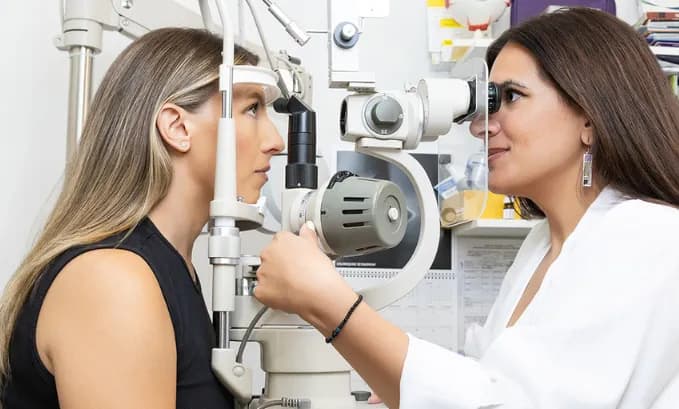
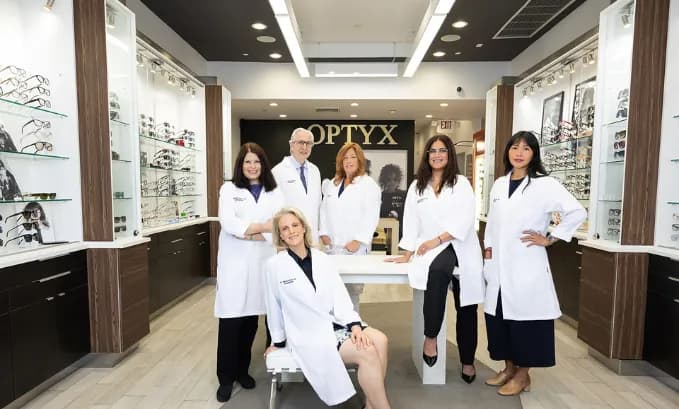
To find the right pair of eyeglasses, you first need to get the right prescription and advice from an optometrist. That’s why it’s crucial to seek professional help. At Optyx, we recommend starting with a thorough eye exam, where our experienced opticians will assess your vision and discuss your daily habits. This personalized approach ensures that you not only get better vision, but also improve your comfort and style. If you’re in the York area, getting an eye exam from a professional optician is a great way to find the perfect types of eyeglass lenses to suit your needs.

Conclusion
Whether you require single-vision glasses, progressive lenses, or specialized options such as polarized or blue light blocking lenses, Optyx in New York provides a vast assortment of high-quality lenses to meet your visual needs. We ensure that your eyewear not only enhances your eyesight but also contributes to your comfort, convenience, and personal style by offering expert advice and different types of lenses for glasses. Exploring the different types of lenses for glasses allows you to find the ideal fit for your daily activities, such as outdoor adventures or long hours in front of digital screens. Optyx is devoted to providing you with the best visual experience possible. Visit us today to choose the best lenses for your specific needs.