Correcting vision helps one see the world exactly and clearly, so it increases their quality of life. For years, glasses have been a reliable fix for a range of vision issues, helping individuals to overcome hurdles including astigmatism, farsightedness, and nearsightedness. How do glasses correct vision? Glasses ensure that light entering the eye focuses correctly on the retina and generates crisp images by altering their entry point. Many people wonder, “Does wearing glasses permanently correct your vision?” While you wear them, glasses enhance your vision; their effect on the basic architecture of the eye is negligible.
In this post, we’ll look at how glasses operate to correct vision, the science behind them, and whether they can actually fix your vision in the long run.
What Happens When Your Vision Deteriorates?
Common disorders influencing our perspective of the world are vision problems, including nearsightedness (myopia), farsightedness (hyperopia), astigmatism, and presbyopia. These disorders arise from abnormalities in the eye’s form or function, therefore distorting the way light is directed on the retina.
- Myopia, or nearsightedness, results from the eye’s overly long length, allowing light to focus in front of the retina, blurriness of far objects.
- Farsightedness, sometimes known as hyperopia, results from the eye’s excessively short length, allowing light to focus behind the retina, therefore distorting close things.
- The irregular form of the cornea or lens causes light to scatter and produce distorted or hazy images in astigmatism.
- Presbyopia is a natural age-related disorder whereby the lens loses flexibility, therefore impairing focus on surrounding objects.
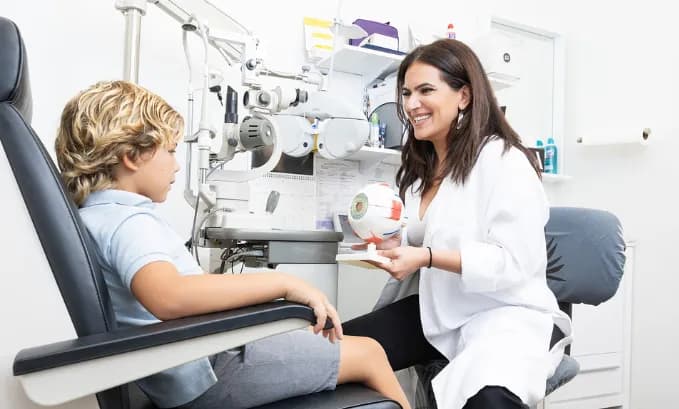
These conditions affect how light gets into the eye and gets handled in the brain. The cornea and lens of the eye bend refractively light toward the retina, which sends visual data to the brain. Eyesight suffers when light does not direct itself correctly on the retina.
So, how do glasses correct vision? Glasses function by changing the direction of light before it enters the eye, ensuring that it focuses correctly on the retina. Depending on your unique requirements, lenses are designed to bend light in ways that assist in compensating for refractive defects caused by conditions including as myopia, hyperopia, and astigmatism.

How do Glasses Work to Correct Vision?
Refocusing light onto the retina depends mostly on corrective lenses, which also guarantee a clear image for the brain. Light first goes through the cornea and the lens in the eye to be bent toward the retina. Should a refractive error – such as myopia or hyperopia – he light does not focus correctly, resulting in hazy vision. By changing the direction of light to guarantee it concentrates correctly on the retina, glasses help to improve clarity.
In vision correction, the focus point – where light converges in the eye – is a fundamental idea. In a healthy eye, light is squarely on the retina. In those with refractive defects, however, the focus point is either in front of or behind the retina. Correct alignment of this focal point, made possible by glasses, lets vision be crisper.
Type of lens for correction
Correcting vision effectively depends on selecting the suitable type of lens. Three main kinds of lenses are utilized to solve particular visual problems:
The thinner in the middle and thicker at the edges, concave lenses – for myopia – distribute light to directly focus it on the retina, therefore addressing nearsightedness.
Thicker in the middle and thinner at the edges, convex lenses, for hyperopia – converge light rays to concentrate them on the retina, therefore addressing farsightedness.
For astigmatism, cylindrical lenses, which have varying curvatures, help to balance the unequal focus brought about by the irregular form of the cornea or lens.
Difference in the Material of your Lenses
The material of your lenses also plays a crucial role in comfort and performance. Lighter materials like polycarbonate or plastic are more comfortable and durable, while glass lenses offer superior clarity but are heavier. Choosing the right material impacts not only vision correction but also the weight and durability of your glasses.
Choosing the correct lens guarantees focusing light on the retina, thereby offering comfortable vision. See an eye care practitioner to find the ideal lens and material for your particular requirements.
When one asks, “How do glasses correct vision?” the response is found in their capacity to change light refraction such that it hits the retina at the correct place. But does wearing glasses correct your vision long-term? While worn, glasses help to improve vision; they do not change the fundamental architecture of the eye. Does wearing glasses correct your vision? They offer a temporary fix, which simplifies daily tasks and increases comfort level.
The Role of Regular Eye Exams in Long-Term Vision Health
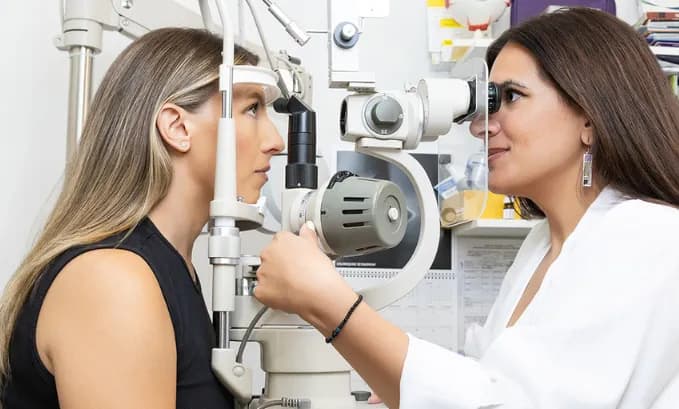
Regular eye exams are among the most crucial components of preserving excellent vision. These tests guarantee that your prescription is current and assist in identifying underlying medical conditions, including diabetic retinopathy, cataracts, and glaucoma, that can compromise your eyes. Maintaining your eyesight and avoiding more severe issues down the line depends on early diagnosis of these diseases. A thorough eye exam at Optyx in New York guarantees that your glasses are maximized for clear vision and simultaneously protects your general eye health, thereby enabling you to remain proactive about your eye condition.
When to Visit Optyx in New York for Your Next Pair of Glasses
Maintaining good vision and catching possible medical problems early on depend on regular eye exams. You will have a thorough eye exam at Optyx in New York to guarantee your prescription is current and precise. These tests provide early treatment and prevention by helping to uncover not just visual issues but also any underlying diseases that can compromise your eye health.
Optyx provides tailored advice to identify the ideal eyewear solution, whether your needs are for daily wear, sports, or protection from digital devices. Having access to the most recent lens technologies – including customized lenses for different circumstances and sophisticated coatings – you will feel comfort and clarity.
Optyx also provides an extensive range of fashionable frames. From traditional designs to contemporary ones, they will assist you in selecting the ideal frame that accentuates your face and fits your character. We offer personalized solutions fit to your particular vision requirements, regardless of your desire for single vision, bifocals, or progressive lenses.

Conclusion
Glasses play a crucial role in improving vision by ensuring that light is properly refracted onto the retina, helping you see the world clearly. How do glasses correct vision? They work by adjusting the focal point, allowing light to focus where it should, whether you have myopia, hyperopia, or astigmatism. Does wearing glasses correct your vision permanently? While glasses provide immediate clarity, they don’t alter the structure of your eye. Can glasses fix your vision? They offer a non-permanent solution that makes daily activities easier and more comfortable.
Choosing the right eyewear is essential to get the best vision correction and comfort. Trusted providers like Optyx in New York offer personalized consultations, advanced eyewear technologies, and stylish frames to suit your unique needs.
Visit Optyx today to schedule your eye exam and experience the difference in your vision!