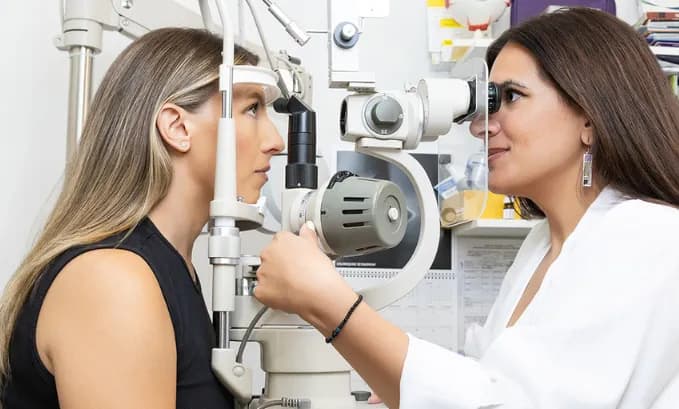

Picture this: you’ve just finished your comprehensive eye exam, and suddenly the world looks like someone cranked up the brightness to maximum! Don’t panic – this is totally normal and temporary!
Understanding how long your pupils stay dilated after eye exam procedures helps you plan your day better and know exactly what to expect. Let’s dive into everything you need to know about this fascinating (if temporarily inconvenient) part of eye care!
Why Do Optometrists Dilate Your Pupils?
The Purpose of Pupil Dilation
Think of pupil dilation as opening the curtains wide in a dark room – it gives your optometrist the best possible view of your eye’s interior! This process allows them to examine your retina, optic nerve, and blood vessels in stunning detail.
Dilation is crucial for detecting sneaky conditions like glaucoma, diabetic retinopathy, macular degeneration, and retinal tears that might be hiding in the shadows of your eye.
How Dilation Works: Dilating Eye Drops
The magic happens through special eye drops called mydriatics. These drops temporarily relax the muscles that control your pupil size, essentially telling them to “take a break” from their usual job of adjusting to light changes.
Normally, your pupils are like automatic camera lenses, constantly adjusting their size based on lighting conditions. The dilation drops put this automatic system on pause, leaving your pupils stuck in the “wide open” position.

How Long Will My Eyes Stay Dilated After an Eye Exam?
Typical Duration of Dilation
Here’s what most people can expect: how long will eyes stay dilated after an eye exam ranges from 4 to 6 hours for the average person. However, your personal dilation timeline might be different – and that’s perfectly normal!
Some lucky folks find their pupils return to normal in just 2-3 hours, while others might experience the wide-eyed look for up to 8 hours. In rare cases, particularly sensitive individuals might have dilated pupils for up to 24 hours.
Factors That Affect How Long Will My Eyes Stay Dilated After an Eye Exam
Several fascinating factors influence how long my eyes will be dilated after an eye exam:
Eye Color Magic: People with lighter-colored eyes (blue, green, hazel) often experience longer dilation times compared to those with darker eyes. It’s like the difference between a thin curtain and blackout drapes!
Age Matters: Children and young adults typically have longer dilation periods because their eye muscles are more responsive to the drops. Adults over 60 might have shorter dilation times.
Drop Type: Different mydriatic drops have varying strengths and durations. Tropicamide usually lasts 4-6 hours, while homatropine can keep pupils dilated for 1-3 days!
Individual Sensitivity: Just like some people are more sensitive to caffeine, some eyes are more reactive to dilation drops.
How Long Do Your Pupils Stay Dilated After Eye Exam in Children?
Kids often get the “deluxe” dilation experience! Pediatric eye exams typically use stronger or longer-lasting drops because children’s eyes need a more thorough examination. Parents should expect their child’s pupils to remain dilated for 6-8 hours, sometimes longer.
The good news? Kids often adapt to the light sensitivity faster than adults, though they’ll still need those adorable tiny sunglasses!
What to Expect While Your Pupils Are Dilated
Common Symptoms
Welcome to the temporary world of super-light-sensitivity! Here’s what you might experience:
Light Sensitivity Overload: Stepping outside feels like entering a photographer’s studio with all the lights blazing. Even indoor lighting might seem surprisingly bright.
Reading Becomes Tricky: Your near vision gets fuzzy because those dilated pupils can’t focus properly on close objects. It’s like trying to read through a magnifying glass that’s not quite right, causing blurry vision, making it harder to see text clearly.
Glare Sensitivity: Car headlights, computer screens, and even phone displays might seem uncomfortably bright and create halos or glare.
How to Manage Discomfort
Sunglasses Are Your Best Friend: Invest in quality sunglasses or ask your optometrist for disposable ones. Even indoors, sunglasses can provide blessed relief from fluorescent lighting.
Avoid Driving: This isn’t just a suggestion – it’s a safety must! Your depth perception and glare sensitivity make driving potentially dangerous until your pupils return to normal.
Give Your Eyes a Break: Skip the detailed work, reading, or screen time. This is the perfect excuse to listen to an audiobook or podcast instead!
Stay Hydrated: Some people experience mild headaches from the light sensitivity, and staying hydrated can help minimize this discomfort.
How to Prepare for an Eye Exam with Pupil Dilation
Getting ready for an eye exam with dilation is all about a little planning and self-care. It’s smart to arrange a ride home or use public transportation, since many people are surprised by how much dilation can affect driving ability. Your eyes may be far too sensitive to light and slow to adjust for safe travel behind the wheel.
Don’t forget to bring a pair of wraparound sunglasses for maximum protection from sunlight on your way out. While designer shades are great, even inexpensive ones from the drugstore will do the trick—when it comes to post-exam comfort, function is far more important than fashion.
It helps to clear your calendar for the next 6–8 hours after your appointment, leaving time for your vision to fully recover. If you can, try to schedule your eye exam later in the day or just before the weekend so you don’t have to miss out on important work or activities that require sharp eyesight.
Open communication with your optometrist is also key to a smooth experience. Let them know about any medications you’re taking, since some can interact with eye dilation drops and potentially change how long your eyes stay dilated. If you’ve ever had an unusual or long-lasting reaction to pupil dilation in the past, be sure to mention it: your optometrist can adjust the strength or type of drops as needed. And if you have special plans coming up that might be affected by prolonged dilation, bring them up during your visit so your care can be tailored around your needs.

Why Choose Optyx for Your Eye Care Needs
Expert Eye Exams
At OPTYX New York, comprehensive eye exams aren’t just routine check-ups – they’re thorough investigations into your eye health using cutting-edge technology. Their experienced team knows exactly how to make the dilation process as comfortable as possible while ensuring nothing gets missed during your examination.
Personalized Care
Every eye is unique, and OPTYX treats them that way! They take time to explain the dilation process, discuss your individual risk factors, and provide personalized advice for managing post-exam comfort.
High-Quality Eyewear
Need new glasses or sunglasses to help with that post-dilation light sensitivity? OPTYX offers an incredible selection of stylish frames and premium lenses, including specialized options for light-sensitive individuals.
Conclusion
Now you know the complete story about how long your pupils stay dilated after eye exam procedures! While 4-6 hours is typical, your personal experience may vary based on factors such as age, eye color, and individual sensitivity.
The key to a smooth dilation experience is preparation: arrange transportation, bring sunglasses, and clear your schedule. Remember, this temporary inconvenience provides your optometrist with invaluable insights into your vision health.
Ready for your next eye exam? Contact OPTYX New York today to schedule your comprehensive eye examination. Their expert team will guide you through every step of the process, ensuring your comfort while protecting your precious vision. Your eyes deserve the best care possible!