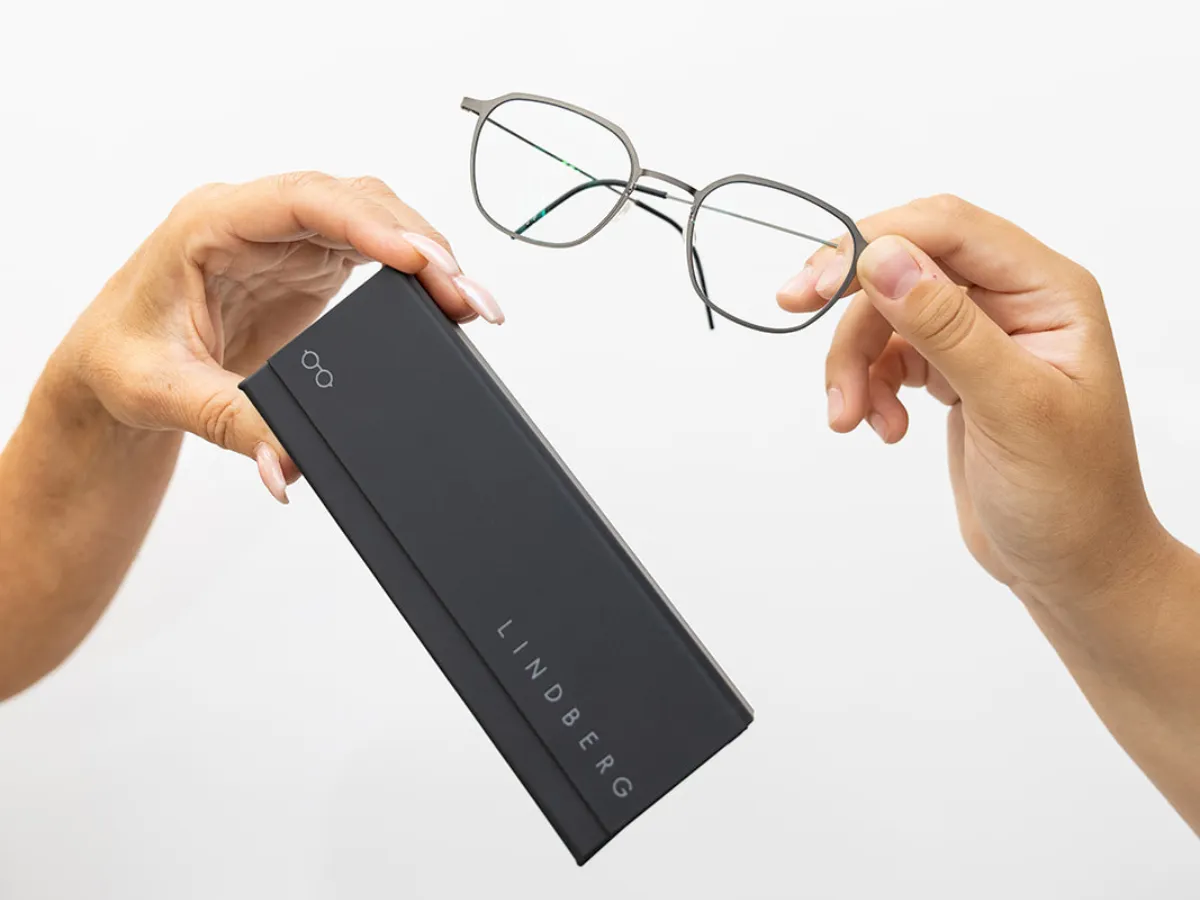

Reading glasses have become an essential tool for millions of people experiencing presbyopia, the age-related condition that makes it difficult to focus on close objects. While these glasses can dramatically improve your ability to read and perform detailed tasks, choosing the wrong strength can create more problems than it solves. Understanding how to tell if reading glasses are too strong is crucial for maintaining comfortable vision and preventing unnecessary eye strain.
Understanding Presbyopia and Reading Glass Needs
Presbyopia is a natural part of aging that typically begins in your early to mid-40s and affects nearly everyone as they get older. The condition occurs when the lens inside your eye gradually loses its flexibility and elasticity, making it increasingly difficult to focus on nearby objects. This is why you might find yourself holding books, newspapers, or your smartphone at arm’s length to read them clearly.
The lens in your eye works much like the lens in a camera, automatically adjusting its shape to focus on objects at different distances. When you’re young, this lens is incredibly flexible and can quickly change shape to bring both near and far objects into sharp focus. However, as we age, the lens becomes less pliable, similar to how a rubber band loses its stretch over time.
Reading glasses are designed to compensate for this loss of flexibility by providing additional magnification power. The strength is measured in diopters, with common strengths ranging from +1.00 to +3.50 or higher. However, getting the right strength is more complex than simply choosing the highest number available.
Clear Warning Signs Your Reading Glasses Are Too Strong
Recognizing when your reading glasses are too strong is essential for maintaining eye comfort and health. If you’re wondering how to tell if reading glasses are too strong, here are the most common warning signs to watch for:
- Persistent headaches that occur after wearing your glasses, especially those that seem to originate from behind your eyes or across your forehead
- Eye strain and fatigue that develops quickly, even after just 15-20 minutes of reading or close work
- Blurry vision when looking at objects at normal reading distance, requiring you to hold materials unusually close or far away
- Dizziness or a “swimmy” sensation when wearing the glasses, particularly when moving your head
- Difficulty transitioning focus from near to far objects, causing disorientation or nausea
- A pulling or burning sensation in your eyes that wasn’t present before using the glasses
These symptoms often develop gradually, so you might not immediately connect them to your reading glasses. However, if you consistently experience any of these issues when wearing your glasses, it’s likely that the prescription strength is too powerful for your current vision needs.

Can Too Strong Reading Glasses Hurt Your Eyes?
Many people worry about whether wearing glasses that are too strong can cause permanent damage to their eyes. The question “can too strong reading glasses hurt your eyes?” is completely valid and deserves a thorough answer.
While overpowered reading glasses won’t cause permanent structural damage to your eyes, they can certainly create significant discomfort and impact your quality of life. The constant strain of trying to adapt to an incorrect prescription can lead to chronic headaches, neck tension from awkward reading positions, and general visual fatigue that affects your daily activities.
Some people also experience what’s known as “accommodation fatigue,” where the muscles that control your eye’s focusing ability become overworked. This can temporarily worsen your natural vision and make you more dependent on your glasses than necessary. While this effect is reversible, it can be concerning and uncomfortable.
The answer to “can too strong reading glasses hurt your eyes?” is that while they won’t cause lasting damage, they can significantly impact your comfort and may exacerbate existing vision issues, making reading and close-up tasks unpleasant rather than enjoyable.
How to Know if Reading Glasses Are Too Strong: Professional Assessment
If you’re uncertain how to know if reading glasses are too strong, the most reliable approach is consulting with an eye care professional. An optometrist or ophthalmologist can perform a comprehensive examination to determine your exact prescription needs and assess whether your current glasses are appropriate for your vision.
During a professional eye exam, your eye care provider in OPTYX will use sophisticated equipment to measure your vision at various distances and under different lighting conditions. They’ll also check for other vision issues that might be contributing to your discomfort, such as astigmatism or differences in prescription needs between your two eyes.
The examination will also include measuring your pupillary distance – the space between your pupils – which is crucial for proper lens alignment. Over-the-counter reading glasses use a standard pupillary distance that may not match your individual measurements, potentially contributing to eye strain and discomfort even if the prescription strength is theoretically correct.
Prevention and Maintenance Strategies
Preventing issues with reading glasses involves more than just choosing the right initial prescription. Your vision needs can change gradually over time, so what worked perfectly two years ago might now be too strong or too weak for your current needs. Most eye care professionals recommend annual eye exams for adults over 40, as presbyopia typically progresses steadily.
Creating an optimal reading environment can also help reduce eye strain regardless of your prescription strength. Ensure you have adequate lighting – preferably natural light or full-spectrum LED bulbs that provide even illumination without harsh shadows. Position reading materials at a comfortable distance, typically 14-16 inches from your eyes, and at a slight downward angle to reduce neck strain.
The 20-20-20 rule is invaluable for anyone who does extensive close-up work. Every 20 minutes, take a 20-second break to look at something at least 20 feet away. This simple practice helps relax the focusing muscles in your eyes and can prevent the fatigue that makes it difficult to assess whether your glasses are the right strength.
Frequently Asked Questions
How to tell if reading glasses are too strong?
The most common signs include persistent headaches after wearing the glasses, eye strain or fatigue that develops quickly, blurry vision at normal reading distances, dizziness or nausea when wearing them, and difficulty transitioning focus between near and far objects.
What should I do if my over-the-counter reading glasses seem too strong?
Consider trying a lower strength, but ideally, schedule an eye exam with an optometrist in OPTYX. Over-the-counter glasses use standard measurements that may not match your individual needs, and a professional can provide a prescription tailored specifically to your vision requirements.
How often should I have my reading glasses prescription checked?
Most eye care professionals recommend annual eye exams for adults over 40, as presbyopia typically progresses gradually. If you notice changes in your vision or experience discomfort with your current glasses, don’t wait for your annual exam – schedule an appointment promptly.

Taking the Next Step Toward Comfortable Vision
Understanding how to tell if reading glasses are too strong is just the beginning of ensuring optimal eye health and comfort. If you’re experiencing any of the symptoms discussed in this article, or if you simply want to ensure your current prescription is meeting your needs, professional eye care is your best investment.
Don’t let uncomfortable or incorrect reading glasses limit your enjoyment of life’s simple pleasures like reading a good book, working on detailed hobbies, or staying productive at work. At Optyx, our experienced optometrists use the latest technology and techniques to provide precise prescriptions tailored to your unique vision needs. We understand that every person’s eyes are different, and we take the time to ensure your reading glasses provide maximum comfort and clarity.
Schedule your comprehensive eye examination with Optyx today and discover the difference that properly fitted, accurately prescribed reading glasses can make in your daily comfort and visual clarity. Your eyes deserve the best care possible – contact Optyx now to ensure your vision serves you well for years to come.