Maintaining ideal eye health and guarantees of clear vision depend on eye exams. Still, many people ignore the significance of particular tests throughout the whole eye checkup process. One such exam is the cover test, an apparently easy process that might reveal important information on any vision problems. Although the cover test eye exam seems simple, its use in identifying binocular vision abnormalities and eye alignment concerns should not be undervalued.
What is the Cover Test in an Eye Exam?
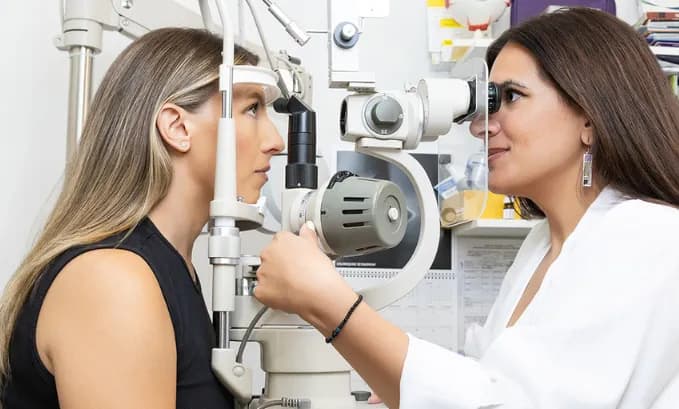
Simple but crucial for diagnosis, the cover test eye exam evaluates how effectively both eyes are working together and finds eye alignment problems. A thorough eye exam consists mostly on this test, which also aids in the identification of binocular vision impairments including strabismus, amblyopia, and other conditions that might not be immediately clear.

Eye Exam Сover Test Purpose
The cover test is used in a normal eye checkup to look for disorders including:
Strabismus: Eye misalignment—that is, crossed eyes.
Often known as “lazy eye,” amblyopia is the disorder whereby one eye does not acquire normal vision.
Convergence Insufficiency is the condition whereby, when focusing on near things, the eyes do not cooperate.
Eye Exam Cover Test Procedures
The test is simply:
Usually anything at a distance, the patient is instructed to concentrate on a set target—a letter or symbol.
One eye at a time the optometrist covers and then watches the movement of the uncovered eye.
Observation: Should the uncovered eye migrate to offset the covered eye, it points to improper alignment of the eyes.
A normal cover test eye exam results indicate that both eyes are in line and operating in concert. Any obvious movement or misalignment points to a problem that calls more inspection.
Why should the Cover Test be a part of eye exams?
Finding eye problems that can have long-term consequences if addressed depends mostly on the cover test. Here’s why it’s so crucial:
First Detection of Strabismus
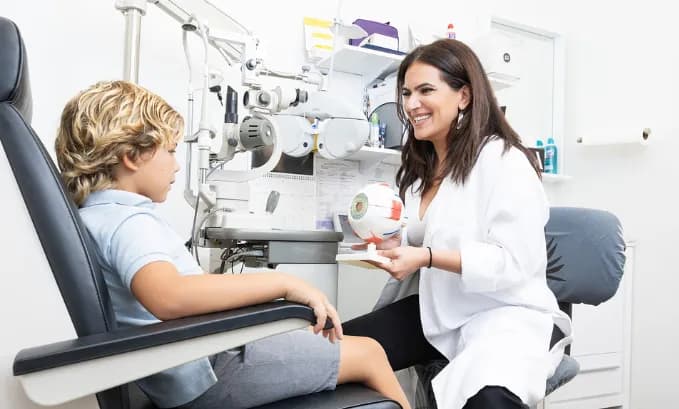
Strabismus—a misalignment of the eyes—is one of the main disorders the cover test eye exam can expose. Often called crossed eyes, strabismus may not be readily apparent, particularly in young infants. Early detection of strabismus made possible by the cover test eye exam lets optometrists prevent amblyopia or impact a person’s depth perception.
Spotting issues with binocular vision
Furthermore helping to detect binocular vision issues is the cover test eye exam. These arise when the two eyes fail to coordinate in sync, therefore causing problems including double vision, eye strain, or headache. Particularly in occupations requiring focus on objects at different distances, improper alignment of the eyes can compromise general visual comfort and performance.
Avoiding Eye Strain and Weariness
Sometimes, misalignment is subtle and leads to gradual eye strain or fatigue over time. The cover test eye exam can detect even minor misalignments, which may contribute to these symptoms. Early identification of these problems allows optometrists to advise therapies including vision therapy or spectacles to assist reduce discomfort and avoid long-term effects.
Interpreting Your Eye Exam Cover Test Results: What Comes Next?
After your cover test eye exam, if the results indicate misalignment or other vision problems, the next steps will depend on the severity of the issue. Your optometrist will discuss the findings with you and suggest the most appropriate treatment options based on your cover test eye exam results.

Prescription Glasses or Contact Lenses
In many cases, corrective lenses are the most common solution to help realign the eyes and improve binocular coordination. If your cover test eye exam results show misalignment, glasses or contact lenses may be prescribed to help ensure the eyes work together properly. These lenses can help correct the alignment by adjusting the focus and improving the coordination between both eyes, which can reduce the symptoms associated with misalignment, such as double vision or eye strain.
Vision Therapy After Eye Exam Cover Test
Vision therapy may be advised for those with binocular vision issues, such convergence insufficiency (a disorder whereby the eyes cannot concentrate together on near objects). Comprising a sequence of eye exercises and activities meant to increase coordination and strengthen the eye muscles, vision therapy is a non-invasive treatment. These activities help the eyes learn to cooperate more successfully, therefore enhancing general vision and comfort. Those who suffer with eye strain, tiredness, or trouble focusing close by will find vision therapy extremely beneficial.
Surgical Options
In more serious conditions, such strabismus—misalignment of the eyes—that cannot be cured with glasses or vision therapy—might call for surgery. By changing the muscles surrounding the eye, surgical choices can assist to straighten the eyes. Usually advised when the misalignment is considerable or non-surgical treatments do not yield enough improvement is this operation. Correct eye alignment can be restored by surgery, therefore enhancing depth perception and general visual performance.
Reassurance
One should be aware that the cover test is a straightforward and non-invasive operation. Should your findings point to a flaw, you should not panic. Early intervention helps many eye misalignments and vision abnormalities to be effectively corrected. Maintaining excellent visual health depends on early identification of such problems so that they can be corrected before they aggravate. Rest easy; your optometrist will walk you through your choices; treatment programs are usually really successful.
The Cover Test in a Comprehensive Eye Exam
One element of a thorough eye checkup is the cover test. Although optometrists check eye alignment and binocular vision problems, they also do other tests to assess your general eye and vision health. A complete eye checkup guarantees that your eyes are working as they should and lets you find possible problems early on.

Visual Accuracy
Visual acuity—which evaluates your vision at different distances—is one of the first tests taken during an eye exam. Usually, this is accomplished with an eye chart to determine whether astigmatism, farsightedness, or nearsightedness call for corrective lenses.
Refraction
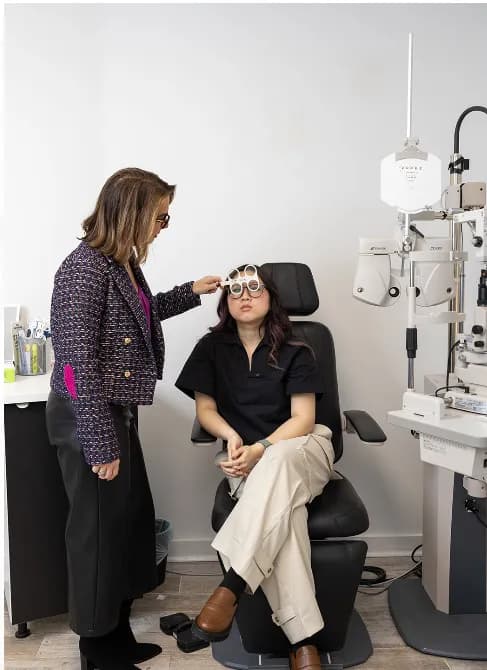
The refraction test determines your contact lens or glasses prescription. The optometrist uses a specific tool to assess how light focuses on your retina and adjusts the lenses until they provide the prescription that offers the best vision.
Pressure Exams and Retinal Views
Important for identifying disorders including glaucoma, macular degeneration, or diabetic retinopathy are retinal exams and eye pressure testing. To search for any evidence of injury or disease, the optometrist could use specific tools to check the rear of your eye—the retina. To look for glaucoma, a disorder that could compromise the optic nerve if untreated, they could also test the pressure inside your eye.
See an optometrist soon if you haven’t had an eye exam lately or if you are experiencing symptoms including eye strain, double vision, or trouble concentrating. Maintaining strong eyesight and general eye health depends critically on routine eye exams.
Conclusion
An easy but vital first step in identifying complicated vision problems is the cover test eye exam. Maintaining eye health depends critically on this exam whether the issues are misalignment, strabismus, or binocular vision disorders. Should the findings of your cover test cover test eye exam point to a flaw, be assured; various treatment choices are still possible. Regular eye exam conducted under the direction of reputable optometrists—such as those at Optyx—can help to guarantee that your eyes are operating together and that you are seeing well. Don’t wait for symptoms to get worse; schedule your next eye exam cover test right now to maintain optimum vision!