
Among our most valuable senses, vision lets us interact with and experience the environment in which we live. Many people, regrettably, take their eye health for granted and only see an optometrist when they clearly have issues including headaches, eye strain, or blurred vision. Maintaining ideal vision, however, goes beyond just fixing problems; it also calls for proactive treatment including frequent eye exams.
Making an annual eye exam appointment is among the most crucial things you can do to protect your vision. Many of which may not show symptoms until they advance, these tests are absolutely vital in spotting early indicators of possible eye disorders or problems. Years to come will see your vision and general health preserved by knowing the need of a yearly annual eye test and including it into your healthcare schedule.
Why Are Annual Eye Exam Tests Essential?
Early Detection of Eye Conditions
One of the main reasons why an annual eye test is so important is that it allows for the early detection of various eye conditions.
Among the most often diagnosed disorders from these tests are:
- Often resulting from raised eye pressure, glaucoma is a disorder damaging the optic nerve. Glaucoma could cause lifelong eyesight loss without appropriate control.
- Cataracts: Blurring of vision by clouding of the eye’s natural lens Many people don’t know they have cataracts until their eyesight starts to clearly deteriorate; they usually develop slowly.
- AMD, or age-related macular degeneration: Affecting the center area of the retina, AMD causes vision loss in older persons by means of blurriness or lost central vision.
- A diabetes-related condition called diabetic retinopathy compromises the blood vessels in the retina. Ignored, it can cause blindness.
Many of these disorders start without obvious symptoms until they advance. Regular annual eye exams preserve your eyesight by helping to identify these problems early on, thereby offering chances for more efficient treatment.
Overall Health Monitoring with Annual Eye Exam Tests
Your annual eye exam is not only an opportunity to assess your vision but also to monitor your overall health. During a comprehensive eye exam, an optometrist or ophthalmologist checks for signs of systemic health issues, such as:
- High blood pressure
- Diabetes
- High cholesterol
- Autoimmune disorders
Certain changes in the blood vessels of your eyes, for example, can indicate underlying health problems that may require further investigation. This makes your annual eye test a valuable tool for early detection of issues that may otherwise go unnoticed.
Vision Changes with Age: Annual Eye Exam Tests
Our vision changes with age. Many eye diseases, including presbyopia (difficulty focusing on close objects), cataracts, and macular degeneration, affect those over the age of forty more commonly. Actually, the risk for eye problems rises considerably higher beyond the age of 60. Tracking these changes and guaranteeing that any new diseases are identified and treated right away depend on annual eye exams, which also become absolutely vital.

An annual eye test can also assist older persons keep an eye on their current ailments and guarantee that any required treatments are being correctly controlled. Early diagnosis and action can significantly help to preserve freedom and quality of life.
Protecting Your Eye Health and Quality of Life
Apart from identifying and controlling eye illnesses, a yearly eye check is a necessary instrument to keep your general quality of life. From driving to reading, working, and even leisurely participation in hobbies, daily tasks depend on good vision. Our eyes may have problems as we become older that would restrict our capacity to savor these basic pleasures. Frequent eye tests give a chance to make sure your vision keeps supporting the lifestyle you want. Maintaining good eye health helps you to remain active and independent as you age, whether that means changing your prescription for glasses or spotting minor problems before they grow more complicated. Giving annual eye tests top priority helps you to invest in the long-term vitality of your vision and, hence, your general health.
What to Expect During Your Annual Eye Test
Should you not know what an annual eye exam tests consists of, this is what to expect:
Review of your medical history—including any past eye issues, family history of eye diseases, and current medications—the eye care specialist will first start by This helps to define risk factors for eye illnesses.
To find your visual acuity—that is, degree of vision clarity—an optometrist will ask you to read letters or numbers on an eye chart. With annual eye test one can find refractive flaws including astigmatism, farsightedness, and nearsightedness.
Sometimes an optometrist will dilate your pupils using eye drops. This allows them search the retina, optic nerve, and blood vessels in the rear of your eye for any abnormalities.
By measuring the intraocular pressure—that inside your eyes—the tonometry test searches for glaucoma.
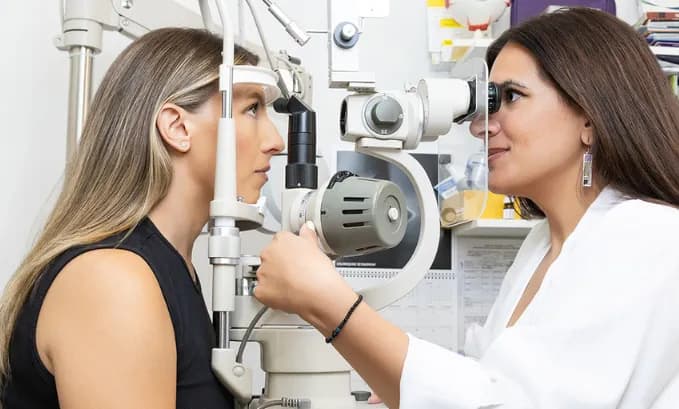
Under a light and magnifying lens, an optometrist will painstakingly examine the retina and optic nerve in search of disease or injury.
The Color Vision Test looks for color perception problems or color blindness. Jobs such reading, driving, and working call on good eye coordination and attentiveness; the doctor will assess these areas using muscle tests.
Should further treatment be needed, your yearly eye exam findings will direct the doctor’s suggestions for corrective lenses (glasses or contact lenses), medications, or referral to a specialist.
How Often Should You Schedule an Annual Eye Test?
Your age, health, and risk factors among other things will determine the frequency of your annual eye exam tests. These are some general rules:
Under forty: Usually enough for those without symptoms or risk factors is an eye exam every two years. Annual checkups may be advised, nevertheless, if you have a family history of eye diseases or notice changes in your eyesight.
Ages 40–60: This is a crucial age group for early eye problem diagnosis. Often advised to detect age-related vision abnormalities early on are annual eye exam tests.
Over 60: Your chance of several eye diseases rises with aging. Monitoring and controlling these changes depends much on annual eye exams.
Your optometrist may advise more frequent visits even if you are under 40 if you have diabetes, high blood pressure, or a family history of eye illness.
The Benefits of Annual Eye Exam Tests
Beyond only preserving clean eyesight, an annual eye test has many advantages:
- Many eye diseases, when discovered early, can be treated or controlled, therefore lowering the risk of vision loss or blindness.
- Maintaining a keen vision will help you to conduct daily activities, work, and pursue interests as well as to improve your capacity.
- Early identification of major eye diseases can help you avoid costly treatments or operations down road.
Early action and improved health outcomes follow from a yearly annual eye test alerting you to health problems unrelated to vision, such diabetes or high blood pressure.
Conclusion
Maintaining your eye health and general well-being largely depends on an annual eye test. Regular eye exams are absolutely vital in maintaining your sight and enhancing your quality of life, whether your goals are to diagnose eye disorders early, stay on top of changes in your vision, or identify possible health issues that could otherwise go undetected.
By making the annual eye test a regular component of your healthcare, you’re proactively ensuring the best possible eyesight for years to come. If you’re looking for high-quality eyewear to complement your eye care routine, Optyx offers a wide range of stylish and functional options to help you maintain clear vision. Plan your annual eye test today and make investments in your long-term eye health before issues arise. Visit Optyx for your next pair of glasses or sunglasses to complete your eye health journey.