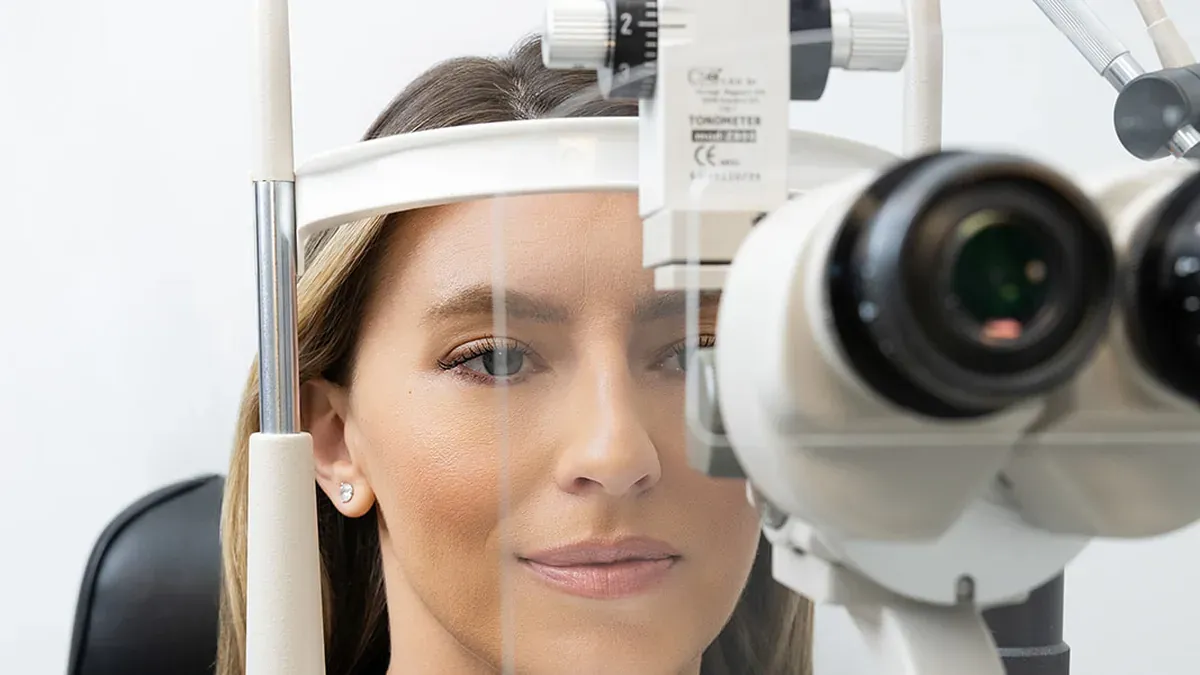
If you wear corrective lenses, the frames you choose affect far more than how you look. They shape how clearly you see hour to hour, how much strain your eyes carry across a workday, and whether you actually want to put your glasses on in the morning. Designer glasses benefits address all of these at once. A current, accurate prescription from an eye exam is the foundation, because even the finest quality eyewear frames cannot correct what they are not calibrated for.
Designer Glasses Benefits at a Glance

| Benefit | What It Means for You |
|---|---|
| Clearer vision | Refractive error corrected precisely to your prescription |
| Reduced eye strain | Eyes work as intended rather than squinting to compensate |
| Eye health support | No daily contact with the eye surface, unlike contact lenses |
| Style and presence | Frames reinforce your look and increase perceived approachability |
| Daily flexibility | On and off in seconds, no morning insertion routine |
Are Designer Glasses Worth the Price?
Yes. The full range of designer glasses benefits becomes clearest when you look at what you are actually buying: precise frame tolerances, better materials, and access to premium lens options. High quality glasses advantages over budget alternatives include lenses that stay properly positioned throughout the day. When your lenses sit in the right place, your eyes are not compensating for optical misalignment from morning until night.
If you have wondered whether designer frames are worth it, the cost-per-wear calculation usually provides a clear answer. A quality pair worn daily for three to four years costs far less per day than monthly contact lens purchases over the same period.
Luxury eyewear NYC clients also benefit from professional in-person fitting. Mass-market frames are rarely adjusted to the wearer's specific pupillary distance or facial geometry. A certified optician at OPTYX, with locations across Manhattan, Long Island, the North Fork, the Hamptons, and Westchester, adjusts temple arms, nose pads, and frame width so your prescription performs as intended.
What Are the Benefits of Glasses Over Contact Lenses?
Glasses win on simplicity. Put them on; take them off. There is no solution, no storage case, and no concern about hand hygiene before touching your eyes. For anyone working through the prescription glasses vs contacts decision, that daily difference in friction is worth real consideration.
Eye strain is another area where glasses pull ahead. Contact lenses rest directly on the cornea and can contribute to dryness as the day goes on. Glasses let your eyes breathe. For people spending long hours in front of screens, this is a meaningful distinction.
Glasses also unlock options that contacts cannot match. UV-blocking coatings, anti-reflective treatments, and photochromic lenses become available when you are working with prescription frames. The glasses vs contact lenses comparison runs deeper than convenience. For a fuller look at what each option means for long-term eye care, the in-depth comparison of contacts and glasses covers the full picture.
Do High Quality Glasses Protect Eye Health?
High quality glasses advantages include one structural fact: glasses do not touch your eyes. You can remove them the moment your eyes feel tired. There is no maintenance routine involving solution or lens cases, and no risk of surface irritation from extended contact lens wear.
The benefits of early, accurate glasses extend beyond daily comfort. A 2026 systematic review published in Strabismus (Steltman et al.) assessed available evidence for associations between refractive errors in young children, the development of amblyopia, and the influence of early prescription glasses. Getting vision corrected at the right time protects the visual system in ways that extend well beyond what an eye chart measures.
For adults, quality eyewear frames that fit correctly reduce compensatory habits like tilting your head to find the clearest part of a misaligned lens. That low-grade strain builds over a full workday. If UV exposure is part of your daily routine, lens treatment options for corrective prescription wearers are worth understanding before you choose your next pair.
What Makes Designer Eyewear Different From Regular Glasses?
Materials and construction. Regular glasses are engineered to a price point. Designer eyewear starts from a different premise: the frame should last, fit precisely, and reflect a considered aesthetic.
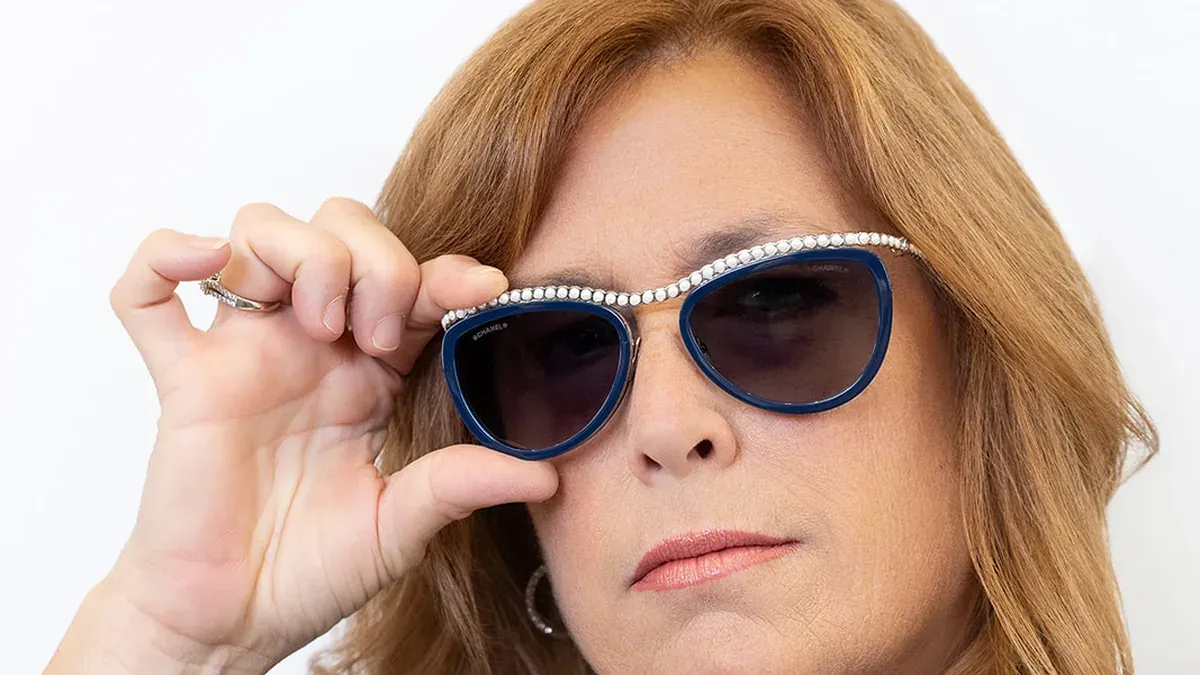
At OPTYX New York, the latest designer eyewear collections include pieces from Oliver Peoples, T HENRI, DIOR, Cartier, and Lindberg, among others. The difference between a designer frame and a mass-market one shows up in lens seat precision, hinge durability, and material quality. Each of those factors affects how reliably your prescription performs day to day and how long the frame holds its shape and alignment.
Lens seat precision matters most when the prescription includes astigmatism correction or progressive lenses, where a few millimeters of misalignment changes what you see clearly. A well-built designer frame holds those tolerances in a way that cheaper alternatives rarely maintain over time.
How Do I Choose the Right Eyewear Frames?
Choosing frames that fit correctly is how designer glasses benefits translate from optical quality into daily experience. Start with face shape. Frame geometry that complements your natural contours creates visual balance. Wider, rectangular frames tend to suit round faces; softer, rounder shapes work with more angular features. The guide to choosing frames for a round face covers these principles in detail.
Beyond face shape, think about where you spend most of your time. Someone working outdoors in New York needs different lens treatments than someone sitting under fluorescent office lighting. An OPTYX optician can advise on coatings, tints, and lens materials suited to your specific environment.
Fit comes first. No matter how good a frame looks in photographs, if it slides or grips uncomfortably, you will not wear it consistently. A professional fitting ensures your frames sit exactly where they need to for your prescription to work correctly.
Book an Eye Exam
Getting your prescription current is the first step toward finding quality eyewear frames that actually perform. Book an Eye Exam at your nearest OPTYX location.
Sources
- Steltman JS et al. (2026). Evidence for hypermetropia, astigmatism, and anisometropia associated with, and early glasses preventing, the development of amblyopia and accommodative esotropia. Strabismus. PubMed