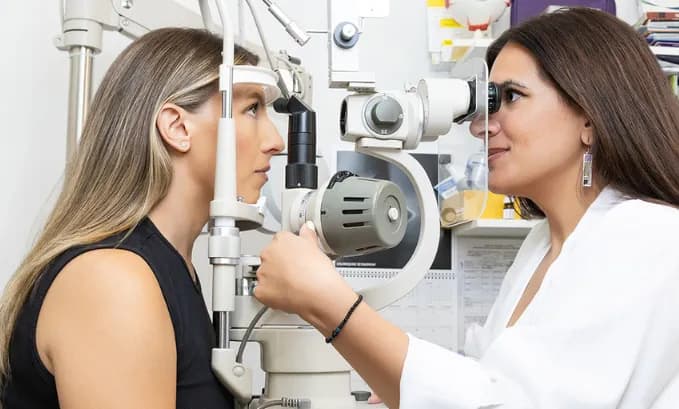
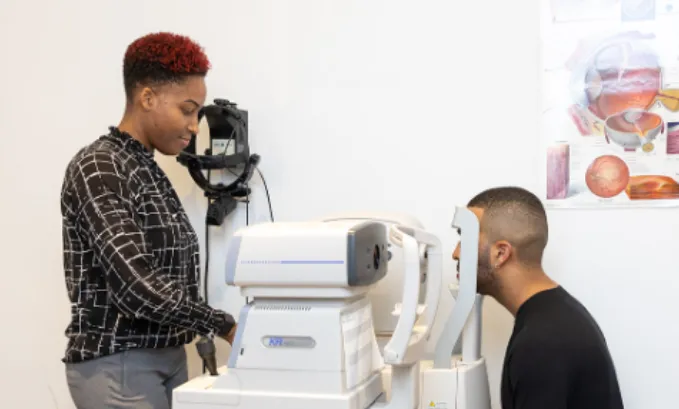
In the realm of eye care, advancements in technology continually reshape how professionals diagnose and treat ocular conditions. One such innovation is the Optos® retinal imaging system, which offers a modern alternative to traditional dilation methods. As patients seek more comfortable and efficient eye exams, understanding the differences between Optos® vs dilation becomes crucial. This article explores the nuances of optos® retinal imaging vs dilation, providing insights into how these methods compare and what they mean for patient care at OPTYX New York.
Understanding Traditional Dilation
Traditional dilation involves the use of eye drops to widen the pupil, allowing optometrists to examine the retina and optic nerve more thoroughly. This method has been a staple in eye care for decades, providing a reliable means of detecting conditions such as glaucoma, macular degeneration, and retinal detachment. Despite its effectiveness, dilation can be uncomfortable for patients, causing light sensitivity and blurred vision for several hours post-examination.
These side effects often deter individuals from regular eye check-ups, highlighting the need for alternatives like Optos® vs dilation. While dilation offers a comprehensive view of the eye’s internal structures, it requires significant time and patience from both the practitioner and the patient. As we delve into the capabilities of Optos® technology, the contrast between Optos® retinal imaging vs dilation becomes apparent, offering a glimpse into the future of eye examinations.
Revolutionary Optos® Technology
Optos technology represents a significant leap forward in retinal imaging. Utilizing ultra-widefield imaging, Optos® devices capture up to 200 degrees of the retina in a single shot, providing a detailed view that traditional methods cannot match. This capability allows for earlier detection of retinal issues, enhancing diagnostic accuracy and preventive care.
At OPTYX New York, the integration of Optos® technology underscores our commitment to cutting-edge eye care solutions. Unlike traditional dilation, Optos® imaging is non-invasive and does not require the use of eye drops, eliminating the discomfort associated with dilation. Patients can resume their daily activities immediately after the exam, making optos® vs dilation a compelling consideration for those seeking convenience without compromising on care.

Comparative Analysis
When comparing Optos® vs dilation, several factors come into play, including patient comfort, diagnostic capability, and time efficiency. Optos® technology offers a clear advantage in terms of patient experience, as it eliminates the need for dilation drops and the associated side effects. This aspect alone makes Optos® retinal imaging vs dilation a preferred choice for many.
However, traditional dilation still holds its ground in certain diagnostic scenarios, providing a level of detail that some practitioners find indispensable. In terms of diagnostic capability, dilation vs Optos® reveals that both methods have their strengths. While Optos® excels in capturing widefield images quickly, dilation allows for a more nuanced examination of the retina’s intricate structures. Ultimately, the choice between Optos® vs dilation depends on the specific needs of the patient and the judgment of the optometrist. At OPTYX New York, we offer both options, ensuring that our patients receive the most appropriate care for their individual circumstances.
Patient Experience
Patient experience is a critical factor in the ongoing debate of Optos® vs dilation. At OPTYX New York, we prioritize patient comfort and convenience, making Optos® technology an attractive option for those seeking a hassle-free eye exam. The non-invasive nature of Optos® imaging means patients can avoid the discomfort of dilation drops and the subsequent recovery period. This advantage is particularly appealing to individuals with busy schedules or those who are sensitive to light. As we continue to explore Optos® retinal imaging vs dilation, the emphasis on patient-centered care becomes evident. By offering both traditional and modern methods, we empower our patients to choose the option that best suits their lifestyle and health needs.
FAQ
What is the main difference between Optos and traditional dilation?
Optos provides a widefield image of the retina without the need for dilation drops, offering a more comfortable experience for patients.
Is Optos imaging suitable for everyone?
Yes, Optos is suitable for most patients, but specific conditions may still require traditional dilation for detailed examination.
How long does an Optos exam take compared to dilation?
An Optos exam is typically quicker, taking only a few minutes, whereas dilation can take up to 30 minutes, including recovery time.
Can Optos detect all eye conditions?
While Optos is highly effective, some conditions may still require additional testing beyond retinal imaging.
Conclusion
In conclusion, the choice between optos® vs dilation is not a matter of one being superior to the other, but rather about finding the right fit for each patient. Both methods have their merits, and at OPTYX New York, we are committed to providing comprehensive eye care solutions tailored to individual needs. Whether you opt for the advanced capabilities of Optos® technology or the tried-and-true approach of traditional dilation, our team is here to guide you every step of the way. To experience the benefits of Optos® retinal imaging vs dilation firsthand, we invite you to schedule an appointment with us. Visit OPTYX New York to learn more about our services and how we can help you achieve optimal eye health. Our experienced optometrists will work with you to determine the best examination method for your specific needs, ensuring you receive the highest quality care available.