
Have you ever wondered, “Should I wear my glasses all the time?” The topic of how much time eyes should remain in glasses creates uncertainty among individuals who wear either newly or traditionally among vision wearers.
You will receive professional guidance from Optyx experts regarding eye care best practices and eyeglasses usage during the day. Through this guide we will identify appropriate times to wear glasses together with counteracting misconceptions while offering practical instructions for daily clear vision and comfort.
Understanding the Need to Wear New Glasses
Glasses play a crucial role in correcting vision and improving the quality of daily life for millions of people. Designed to address vision problems such as nearsightedness, farsightedness, astigmatism, and presbyopia, glasses help focus light properly on the retina, enabling clearer vision. Beyond clarity, glasses can reduce eye strain, improve safety by enhancing visibility, and even positively affect self-confidence for those who rely on precise vision to perform tasks or engage in social interactions.
Many people often ask themselves, “Should I wear my glasses all the time?” and “Is it bad to wear glasses all the time?” These worries are understandable since they are motivated by a desire to preserve good eye health and adjust to the vision correction regimen. Although the necessity of wearing glasses is always dependent on a person’s particular glasses prescription and lifestyle requirements, nowing when and how to wear glasses is essential to guaranteeing their efficacy without adding needless anxiety.

When to Wear Your Glasses: Professional and Daily Use
Situational Recommendations
Multiple situations exist where individuals need to wear glasses perpetually in order to achieve maximum vision quality and safeguard themselves. The combination of anti-reflective coatings in prescribed glasses provides workers who spend many hours viewing digital displays both decreased visual strain and improved visual performance. People driving at nighttime or during poor weather need their glasses to maintain good vision control for safe responses to hazards while driving. People who use reading glasses for detailed work such as book reading and handcrafts must wear their glasses as necessary to both protect their vision and improve their work efficiency.
Personal Comfort and Lifestyle
The need to wear glasses constantly differs between individuals since some need them regularly but others follow comfort and lifestyle needs. People who have only slightly impaired vision need glasses only during certain activities such as television viewing and reading instead of wearing them constantly. Observing rest time for the eyes becomes possible by removing glasses in low-risk activities like outdoor relaxation or light exercise thus minimizing eye strain. Individual needs must be balanced with functional glasses usage because each person has unique visual requirements yet comfort should always be prioritized.
Should I Wear My Glasses All the Time?
Eye Strain and Fatigue
Long-term glasses use may cause eye strain whenever the prescription does not match your specific vision requirements precisely. Many people ask, “should I wear my glasses all the time?” because they experience symptoms such as tired or aching eyes during extended screen time or reading, experiencing discomfort or other side effects. The symptoms of eye strain may improve through taking periodic rest periods. For example, following the 20-20-20 rule—every 20 minutes, look at something 20 feet away for at least 20 seconds—can help reduce eye fatigue and maintain comfort.
Safety and Adaptation For Eye Health
When considering if full-time wear is appropriate, you might wonder, “should I wear glasses all the time?”. The safe practice of wearing glasses 24/7 depends on accurate prescriptions and proper fitting of your eyewear. Continuous discomfort together with headaches should prompt you to seek an eye care specialist’s evaluation. The experts agree that full-time wear presents no dangers but you must visit the optometrist regularly for adjustments to maintain safety and proper vision.

Modern Contact Lenses Technology: Enhancing Comfort and Reducing Eye Strain
Lens technology plays an essential role because it enhances both comfort and reduces eye strain which becomes crucial when deciding about continuous wear of glasses. Modern anti-reflective and blue light filters integrated into lenses help to lower digital screen exposure while reducing glare so that users experience less fatigue during long computer hours. Extended wear is made more comfortable through lightweight frame materials that distribute pressure away from the nose and ears and appropriate shape. The latest innovations deliver better visual performance alongside comfortable experiences which allow you to maintain extended usage because your glasses provide the needed support during all your daily tasks.
Is it bad to wear glasses all the time?
Wearing glasses continually does not signify a vision problem when both prescription fit and eyeglass comfort are satisfactory. For many, continuous use improves vision clarity and reduces eye strain by consistently correcting refractive errors. Any discomfort or headaches together with associated symptoms point to the need for an adjustment either in your prescription or in your glasses’ fit. Contact an expert eye care professional at Optyx to optimize your eyewear when persistent discomfort occurs.

Expert Advice from Optyx: Should I Wear Glasses All the Time
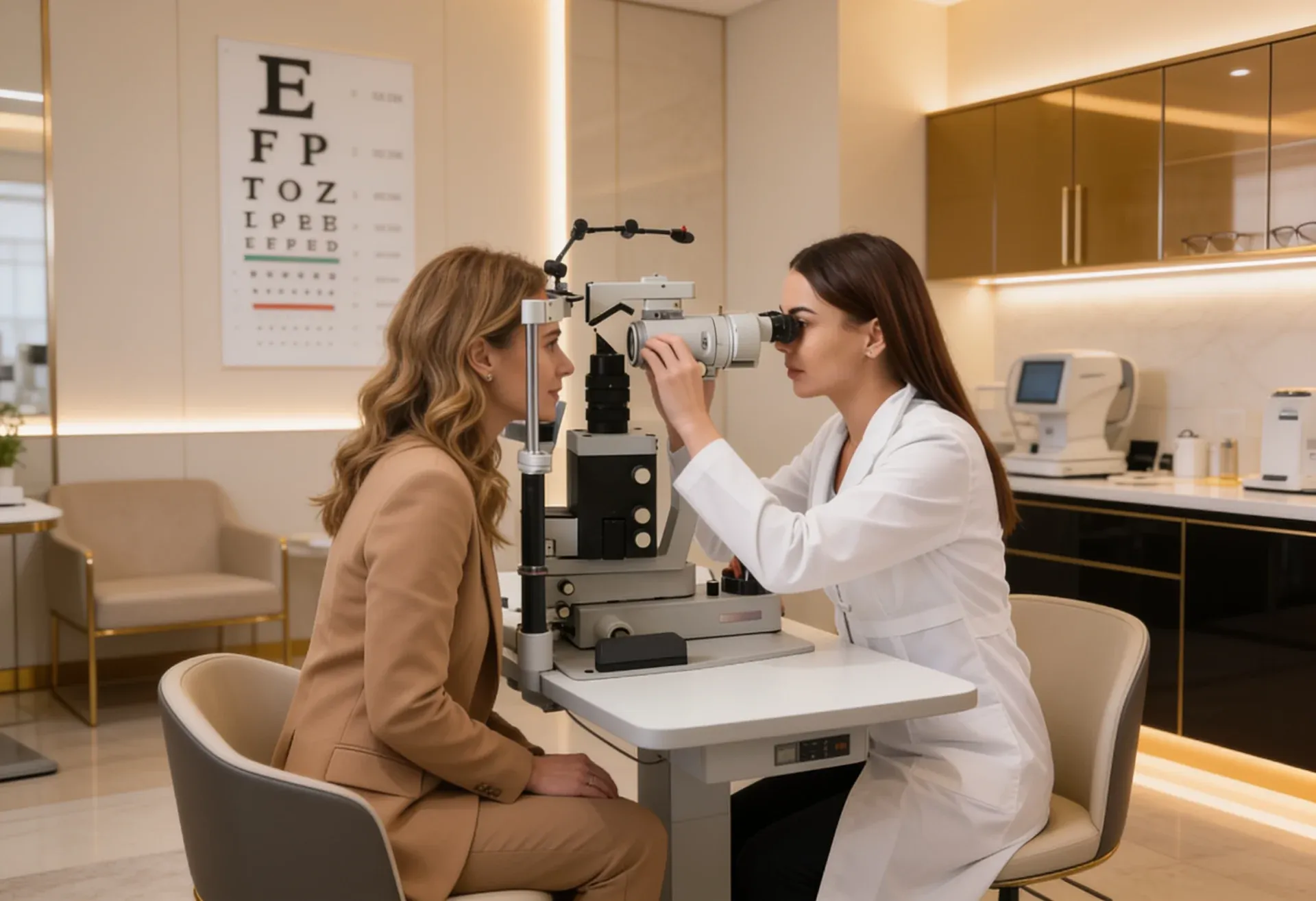
Every consultation at Optyx dedicates personalized attention to eye care needs under the principle of individualized care. Professional optometrists at Optyx design their recommendations directly from your specific vision needs along with your daily routine. Whether you’re asking, “should I wear my glasses all the time?” or wondering about specific situations where breaks might be needed, Optyx crafts recommendations that align with your daily activities. Their evaluation of your workplace conditions screen usage combined with comfort level helps them find the best time interval between wearing glasses and taking breaks for personalized advice, and also hels you with correct prescription glasses. Optyx provides both expert advice about lens wear schedules together with practical guidance to manage discomfort while ensuring your eye health.
Conclusion
Your needs for vision correction together with expert recommendations will determine whether you should constantly wear glasses. We’ve explored factors such as the adaptation period, modern lens technology, and personalized recommendations from Optyx—all of which play a critical role in determining the optimal balance for continuous wear. Your knowledge of personal vision demands together with your awareness of eye exam benefits will help create successful eyewear solutions for your daily schedule.
“Should I wear glasses all the time?” or “Is it bad to wear glasses all the time?” keep in mind that, if you have right prescription and your prescribed glasses are fitted correctly, wearing them continuously is usually safe and not make your vision worse. We urge you to speak with the professionals at Optyx for a customized assessment and guidance. To maximize your visual health, make an appointment for an eye exam or consultation right now.