FSA glasses and contacts qualify under the IRS as eligible flex spending account expenses. Prescription eyeglasses, contact lenses, prescription sunglasses, and eye exams all count. The rules matter because FSA funds expire, and unused balances are forfeited. Book an eye exam at OPTYX to put your remaining balance to work before the deadline.
FSA Glasses and Contacts: Eligible Expenses at a Glance

The IRS classifies vision correction products as qualified medical expenses. That covers a wider range of items than most plan holders expect.
| Eligible for FSA | Not Eligible |
|---|---|
| Prescription eyeglasses | Non-prescription (plano) sunglasses |
| Prescription contact lenses | Cosmetic contacts without an Rx |
| FSA prescription sunglasses | Blue-light glasses without a prescription |
| Comprehensive eye exams | |
| Contact lens solution and cases | Purely cosmetic eye procedures |
| Anti-reflective and photochromic coatings on Rx lenses | Non-prescription reading magnifiers |
What Eyewear Expenses Qualify for FSA?
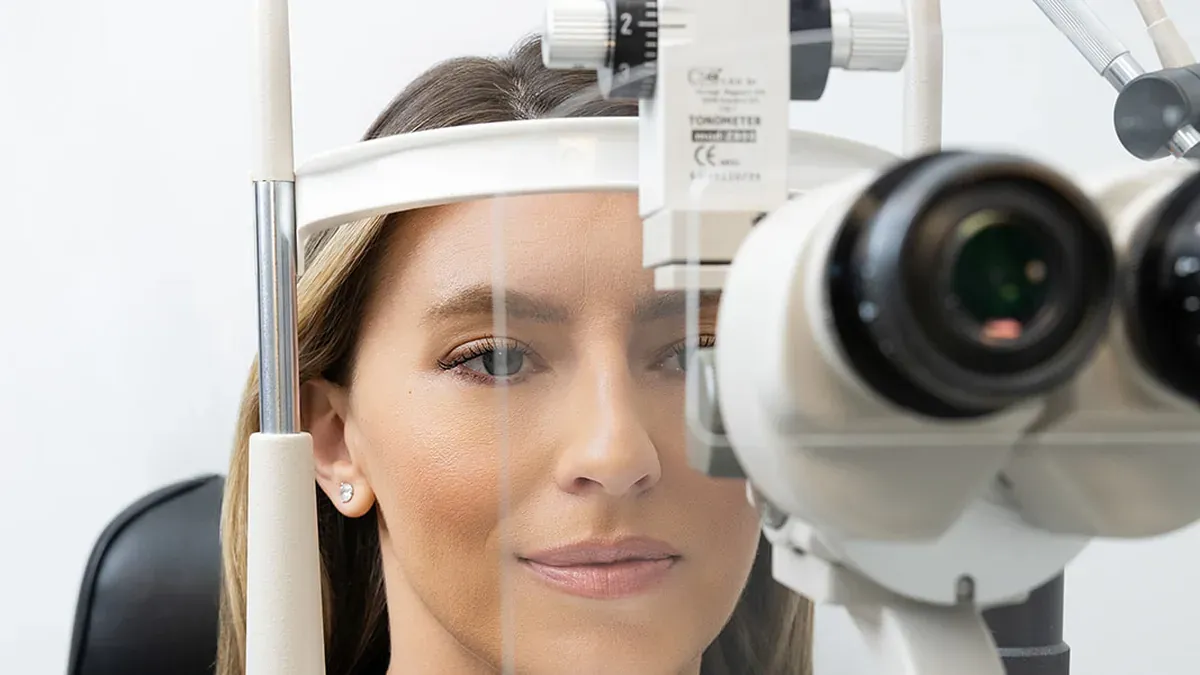
The prescription is the deciding factor. Any lens, frame, or contact that fills a corrective prescription qualifies as an FSA eligible optical expense. FSA eye exam coverage is equally broad: a comprehensive exam, a contact lens fitting, and a follow-up for a condition identified during the exam all count under most plans.
At OPTYX, a comprehensive eye exam covers prescription updates, contact lens fittings, and baseline vision screening in one appointment. Lens upgrades prescribed as part of corrective eyewear, such as anti-reflective coatings, also qualify when bundled with a prescription lens order. Non-prescription products, including fashion glasses and standard reading magnifiers, do not meet the IRS standard.
For a full picture of services that qualify beyond eyeglasses and lenses, the top FSA eye-care services you may not know about covers options that often go unused.
Are Contact Lenses FSA Eligible?

Yes. Contact lenses qualify as covered flex spending account expenses when filled against a valid prescription. That includes daily disposables, biweekly lenses, toric lenses for astigmatism, and multifocal contacts for presbyopia. Related supplies, contact lens solution and contact lens cases, are approved under most plans as well.
Cosmetic contacts without corrective power do not qualify. The IRS draws the line at medical necessity. When your annual eye exam confirms you need an updated prescription, the exam and the new lenses can both be charged to the same FSA balance.
Both can be purchased within the same plan year, so choosing one does not preclude the other. If you are deciding between frames and contact lenses for your next purchase, the contacts vs. glasses guide walks through the practical differences.
Can I Use My FSA for Prescription Sunglasses?
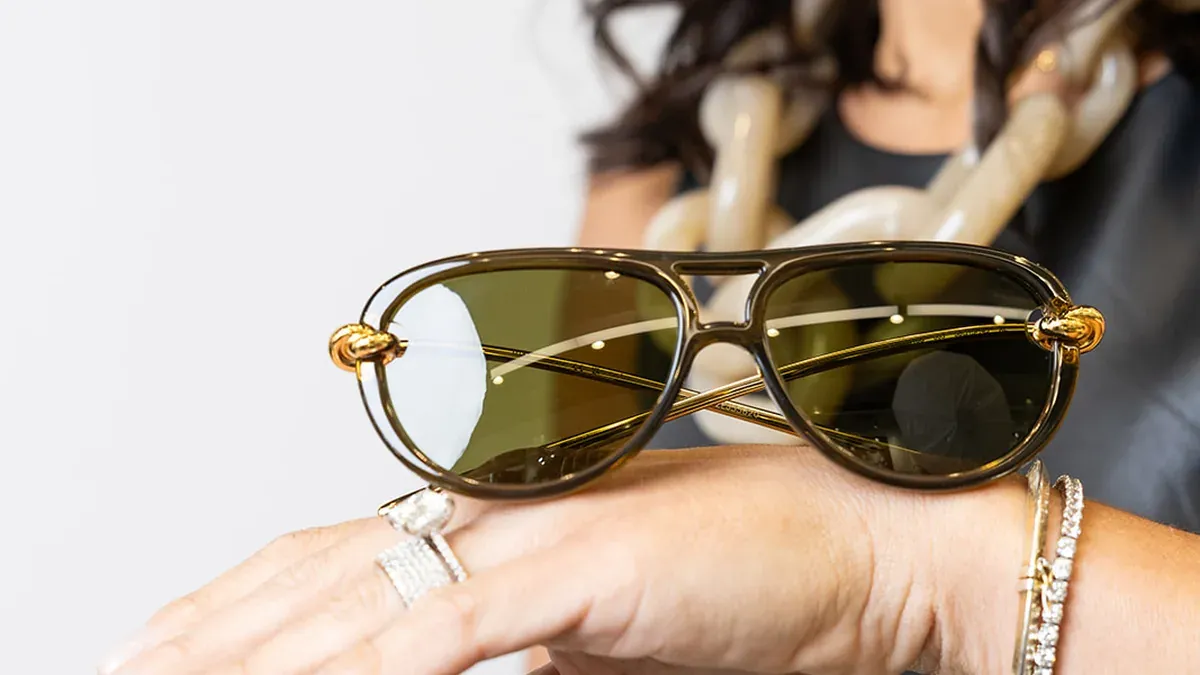
Yes. FSA prescription sunglasses are fully eligible because the corrective prescription determines the expense, not the tint. If your eye doctor has issued a prescription and you have it filled in a sunglass-style frame, the full cost counts as flex spending account eyewear under IRS rules.
Over-the-counter, non-prescription sunglasses do not qualify. That applies regardless of UV rating or polarization level. At OPTYX, prescription sunglasses can be ordered across a broad range of frame styles and finish options. If you want to browse before committing your FSA balance, the sunglasses guide for women and men covers the current collection.
Can I Use HSA for Glasses and Contacts?
Yes. HSA eyewear benefits cover the same categories as FSA: prescription eyeglasses, contact lenses, prescription sunglasses when prescribed, and comprehensive eye exams. The IRS eligibility standards apply equally to both account types.
The key difference is timing. FSA funds expire at the plan year's end. HSA balances roll over indefinitely and stay with you if you change employers or health plans. Both accounts accept the same types of purchases and can be paid at the point of sale with a debit card.
At OPTYX New York, you can pay for prescription eyewear or an eye exam directly with your FSA or HSA card. Your administrator may request an itemized receipt showing the prescription, the service date, and the provider name. Keeping that receipt on file makes reimbursement straightforward if your card does not process automatically.
When Does FSA Glasses and Contacts Coverage Expire?

Most plan participants face a December 31 deadline. The IRS use-or-lose rule requires that FSA funds be spent within the plan year, and unused balances are forfeited back to the plan.
Some employers offer a grace period of up to two and a half months into the new year, or allow a limited carryover amount. Neither is guaranteed. Check with your plan administrator to confirm your exact cutoff.
The vision FSA year-end deadline comes faster than most people expect. Appointment slots in late November and December fill quickly. FSA glasses and contacts are a practical way to use a remaining balance: an eye exam, a frame selection, and a contact lens consultation can all happen in a single visit.
When you pay at OPTYX, the receipt includes the prescription details, service date, and provider name your FSA administrator needs for reimbursement. Planning ahead is worth it. The year-end FSA guide for OPTYX New York has specific steps for booking before the December rush.
Book Your Eye Exam Before the Deadline
Book an eye exam at OPTYX and put your remaining flex spending account balance toward a comprehensive vision check and updated prescription eyewear.