If you’re wondering what age does glaucoma start, you’re asking an important question for your eye health. At OPTYX New York, we help adults understand their glaucoma risk and catch this sight-threatening condition early. The short answer: glaucoma most commonly develops after age 40, with risk increasing significantly after 60. But here’s what many people don’t realize: glaucoma can actually start at any age, which is why understanding your risk factors matters.
At What Age Do People Get Glaucoma?
So what age do people get glaucoma most often? Research shows that the majority of cases develop after age 40, with risk climbing steadily as you get older. The average age of glaucoma diagnosis for the most common type, primary open-angle glaucoma, is around 57 years old.
Here’s how glaucoma risk breaks down by age:
- Under 40: Relatively rare, called “early-onset glaucoma”
- Ages 40-49: About 0.2% of the population affected
- Ages 60 and older: Six times more likely than younger adults
- Ages 70 and older: Three to eight times greater risk than those in their 40s
- Ages 80 and older: Approximately 4.3% prevalence
Understanding at what age do people get glaucoma helps you know when to prioritize screening. If you’re approaching 40 or already past it, the average age of glaucoma diagnosis should remind you that regular eye exams become increasingly important.
Can You Get Glaucoma at a Young Age?
While glaucoma is more common in older adults, glaucoma at a young age does happen. What age can you get glaucoma? Technically, any age. Some people develop glaucoma in their 20s or 30s, which is why it’s important to know your risk factors even as a younger adult.
Certain types of glaucoma are more likely to appear in younger people:
- Pigmentary glaucoma often develops between the ages of 20 and 50
- Traumatic glaucoma can occur after eye injuries at any age
- Early-onset glaucoma may run in families with a strong genetic history
If you’re wondering what age can you get glaucoma, remember that having risk factors like family history or being of African, Hispanic, or Asian descent means glaucoma at a young age is more possible. People in these groups should consider earlier and more frequent screening.

Risk Factors Beyond Age
While knowing what age does glaucoma start is helpful, age isn’t the only factor that determines your risk. Several other conditions can increase your chances of developing glaucoma:
- Family history of glaucoma
- African, Hispanic, or Asian ancestry
- Diabetes or high blood pressure
- Severe nearsightedness
- Previous eye injuries
- Long-term use of corticosteroid medications
- Thin corneas
African Americans face a particularly elevated risk. Studies show they are six to eight times more likely to develop glaucoma than Caucasians, and they tend to develop it about 10 years earlier. For this reason, African Americans should begin glaucoma screening at age 35 rather than waiting until 40.
When Should You Start Screening for Glaucoma?
Based on what age does glaucoma starts for most people, the American Academy of Ophthalmology recommends the following screening schedule:
- Age 40: Baseline comprehensive eye exam for all adults
- Ages 40-54: Every two to four years if no risk factors
- Ages 55-64: Every one to three years
- Age 65 and older: Every one to two years
- High-risk individuals: Every one to two years starting at age 35
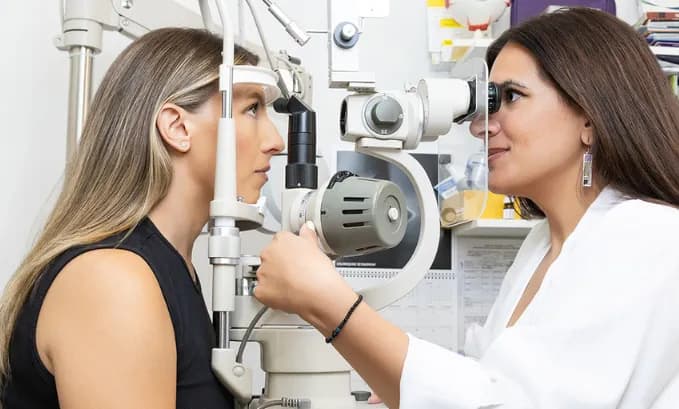
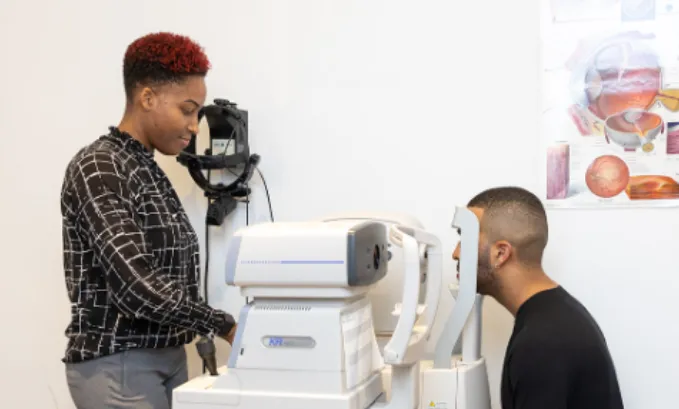
During a comprehensive eye exam, your optometrist will check your eye pressure, examine your optic nerve, and test your peripheral vision. At OPTYX New York, we use advanced Optos ultra-widefield imaging to capture detailed views of your retina, helping detect early signs of glaucoma that traditional exams might miss.
Why Early Detection Matters
Glaucoma is often called “the silent thief of sight” because it typically causes no symptoms in its early stages. By the time you notice vision changes, significant and irreversible damage may have already occurred. This is why understanding what age glaucoma starts and getting screened accordingly is so critical.
The good news? When caught early, glaucoma can usually be managed effectively with eye drops, laser treatment, or other interventions. Regular screening is your best defense against vision loss.
Consider these facts:
- More than 3 million Americans have glaucoma
- About half of the people with glaucoma don’t know they have it
- Vision lost to glaucoma cannot be restored
- Early treatment can prevent or significantly slow vision loss

Protect Your Vision at Any Age
Now that you know at what age glaucoma starts and which factors increase your risk, the most important step is scheduling regular eye exams. Whether you’re 35 with a family history or 60 with no risk factors, staying on top of your eye health can make all the difference.
Ready to protect your vision? Schedule your comprehensive eye exam at your nearest OPTYX New York location today. With 14 convenient locations across New York and advanced screening technology, we’re here to help you see clearly for years to come.