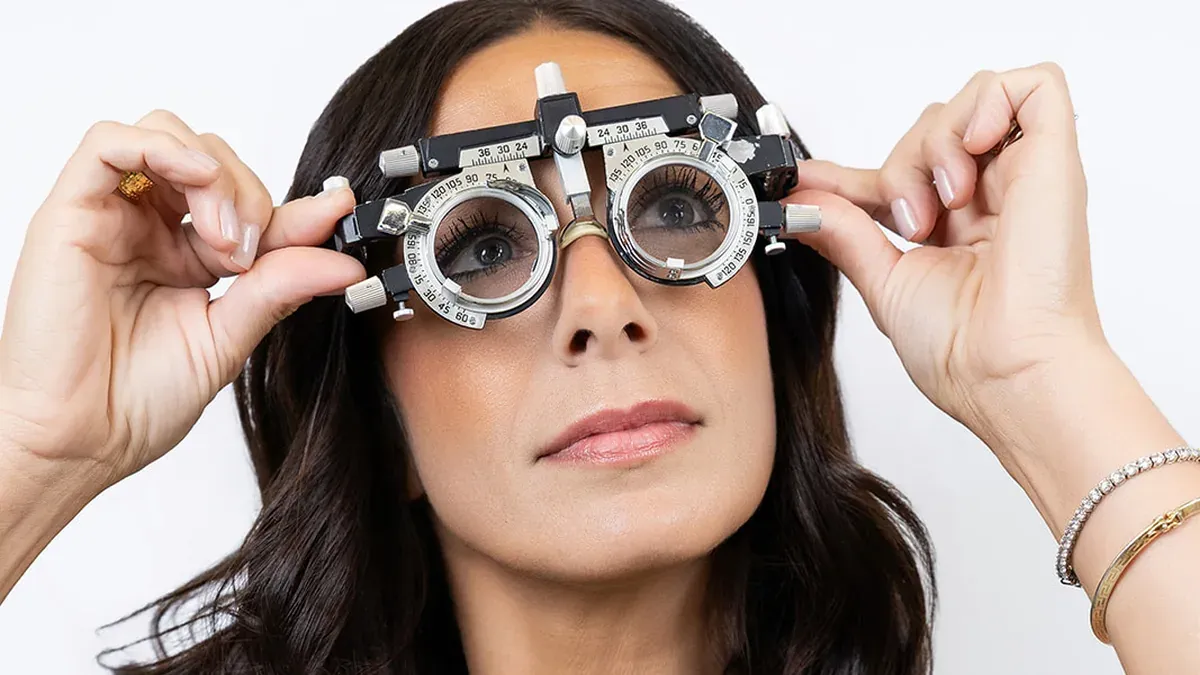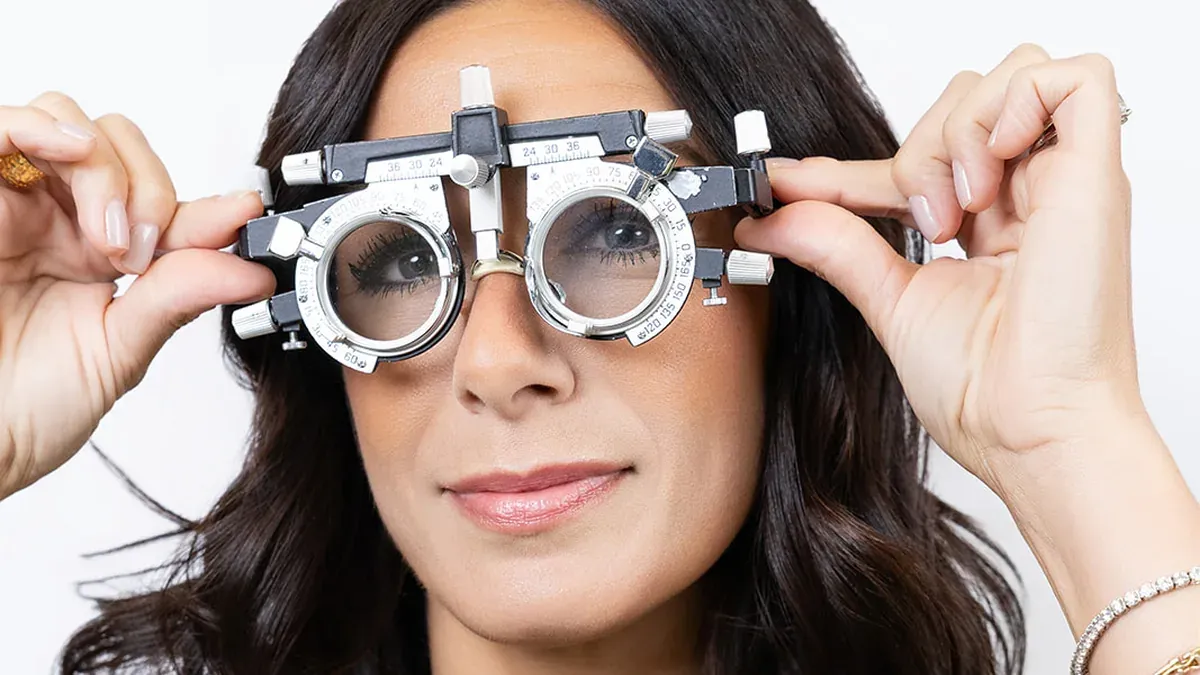

You can see clearly today. That is not the same as having healthy eyes. A comprehensive eye exam NYC residents book at OPTYX covers eye pressure, retinal health, and early indicators of glaucoma and macular degeneration, conditions that produce no symptoms until they have already progressed. Schedule your annual vision check and know where your eye health actually stands.
What Does an Eye Exam Check For?

A full eye exam evaluates vision and systemic health together. Most patients come in because their prescription feels off. What the optometrist checks goes considerably further.
A standard exam at OPTYX includes:
- Visual acuity and refraction: distance and near clarity, and whether your current prescription still matches your eyes
- Eye pressure: elevated intraocular pressure is one of the primary warning signs for glaucoma, often years before any vision loss occurs
- Binocular alignment: the cover test checks how your eyes coordinate, catching problems that cause headaches or intermittent double vision
- Retinal and optic nerve health: examined through the pupil, revealing signs of macular degeneration, early glaucoma, and vascular changes linked to systemic disease
- Anterior segment: lids, cornea, lens, and tear film; dry eye and early cataracts often appear here first
Retinal changes tied to diabetes or high blood pressure can appear in the eye before a patient notices any other symptom. A routine vision test in New York is often the first place that information surfaces.
How Often Should I Get an Eye Exam?
Most adults benefit from a comprehensive eye exam once a year. Children and people with certain health conditions need to go more often.
A practical guide by age and situation:
- Children under 3: at least one exam to confirm vision is developing normally; your optometrist sets the follow-up schedule.
- School-age children: annually, especially if a prescription is changing or a school screening flagged a problem.
- Adults 18-39 with no symptoms: every one to two years if the last exam was normal.
- Adults over 40: every year. Presbyopia, glaucoma, and macular degeneration all become more common after 40. If you are holding text at arm's length to read it, reading lens options after 40 are worth discussing with your optometrist.
- Adults with diabetes, hypertension, or a family history of glaucoma: every year, without exception.
Sudden changes in vision, new floaters, flashing lights, or severe eye pain should not wait for your scheduled appointment. Those symptoms require an urgent same-day evaluation.
How Long Does a Comprehensive Eye Exam Take?

A full eye exam at OPTYX typically runs 45 to 60 minutes. If your optometrist recommends dilation to examine the retina more thoroughly, add 20 to 30 minutes and arrange a ride home; the drops blur near vision for a few hours.
Bring your current glasses or contact lenses. A direct prescription comparison saves time and gives your optometrist useful context from the start.
Eye Exam NYC: What to Bring to Your Visit

Preparation keeps the appointment efficient. Bring a photo ID, your insurance card, and your current glasses or contact lenses. If you take prescription medications, have the names ready; some drugs affect intraocular pressure and tear production.
If you have had eye exams elsewhere, ask that practice to send records ahead of time. A baseline from a prior eye doctor in Manhattan or another region helps track meaningful changes in your prescription and retinal health over time.
Note any symptoms you have been dismissing: eye strain after screen time, evening headaches, or halos around headlights at night.
Does Insurance Cover Eye Exams in New York?
Most vision insurance plans, including VSP, EyeMed, and Aetna Vision, cover one comprehensive eye exam per calendar year. Medical insurance can also apply when the visit is clinically indicated, such as managing glaucoma or monitoring diabetic eye disease.
FSA and HSA dollars qualify for eye exams as medical expenses. If your plan resets on December 31, checking your FSA balance before year-end could keep you from leaving money on the table. To confirm what your specific plan covers at OPTYX, contact your local OPTYX New York location directly.
How Do I Book an Eye Exam in NYC?
OPTYX has the optometrist New York residents count on for a comprehensive eye checkup, with locations across Manhattan, Long Island, the North Fork, the Hamptons, and Westchester. Each location has a licensed Doctor of Optometry on-site and certified opticians for prescription eyewear.
If you are also looking for where to get glasses in NYC after your exam, the optician appointment can follow right after.
Book online through the OPTYX website or call your nearest location. When you come in for an eye exam, NYC optometrists run a structured evaluation and advise on eyewear or contacts based on what your eyes specifically need.
Book an Eye Exam at OPTYX New York
Book an Eye Exam at your nearest OPTYX New York location and let an experienced optometrist in New York give your vision a complete, professional review.