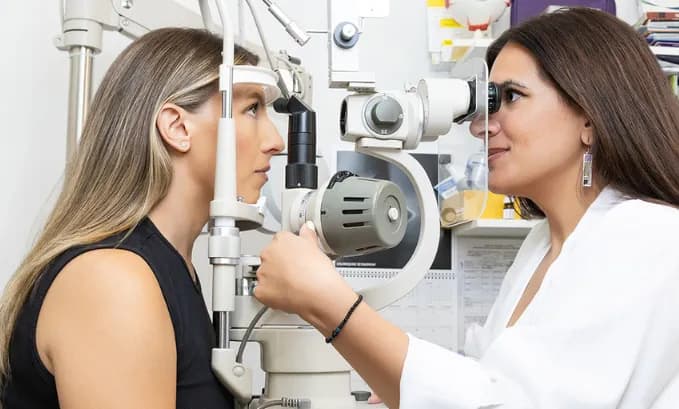

Can glaucoma cause dizziness? For many people dealing with vision changes, this question comes up more often than you might expect. While glaucoma is primarily known for damaging the optic nerve and causing vision loss, it can also trigger symptoms like dizziness, headaches and balance issues – especially in certain types of the condition. At OPTYX, our optometrists help patients understand how glaucoma affects more than just eyesight.
How Glaucoma Affects Your Balance and Spatial Awareness
Your visual system plays a critical role in maintaining balance. Your brain relies on signals from your eyes, inner ear and muscles to keep you steady. When glaucoma causes vision loss – particularly in the peripheral field – your brain receives incomplete visual information, which can lead to glaucoma and balance problems.
Even mild peripheral vision changes that you may not consciously notice can affect how your brain processes spatial cues. This explains why can glaucoma cause dizziness is such a common question – the vision loss changes how confidently you move through your daily life.
Can Glaucoma Cause Headaches and Dizziness?
The answer depends largely on the type of glaucoma you have.
Open-Angle Glaucoma
The most common form, open-angle glaucoma, progresses slowly and silently. It rarely causes headaches or dizziness in its early stages. Because the pressure buildup is gradual, your body adapts without producing noticeable pain. However, as vision loss advances, the resulting spatial disorientation can contribute to dizziness and balance issues.
Acute Angle-Closure Glaucoma
This is where dizziness and headaches become serious concerns. Acute angle-closure glaucoma causes a sudden spike in eye pressure that can trigger intense symptoms:
- Severe headache, often around the forehead and eyes
- Dizziness and nausea
- Blurred vision or halos around lights
- Eye redness and pain
This is a medical emergency. If you experience these glaucoma symptoms together, seek immediate care. A sudden glaucoma headache combined with vision changes requires urgent treatment to prevent permanent damage.
Can High Eye Pressure Cause Dizziness?
Elevated intraocular pressure does not always cause symptoms, but when pressure rises significantly – as in acute angle-closure glaucoma – it can absolutely cause dizziness. High eye pressure affects the surrounding nerves and blood vessels, and when that pressure builds rapidly, it can produce dizziness, nausea and severe headaches.
The relationship between eye pressure and dizziness is not always straightforward. Some people have naturally higher eye pressure without developing glaucoma or symptoms. This is why regular comprehensive eye exams that measure intraocular pressure are essential for understanding your individual risk.

Early glaucoma detection at OPTYX uses advanced technology to measure eye pressure and assess optic nerve health.
Does Glaucoma Cause Headaches?
Not all types of glaucoma cause headaches, but certain forms do. Open-angle glaucoma rarely produces headaches because the pressure increase is so gradual. Acute angle-closure glaucoma, on the other hand, frequently causes sudden and severe headaches.
Glaucoma medications can also contribute to headaches as a side effect. If you notice new or worsening headaches after starting glaucoma treatment, discuss this with your optometrist. Adjusting your medication or switching formulations may help. If your headaches involve light sensitivity or visual disturbances, Neurolens technology at OPTYX may also be worth exploring.
When Dizziness Signals Something Serious
While occasional dizziness has many possible causes, certain combinations of symptoms should prompt an immediate glaucoma eye exam:
- Sudden dizziness with blurred or cloudy vision
- A severe headache centered around one eye
- Nausea or vomiting paired with eye pain
- Seeing halos or rainbow-colored rings around lights
These may indicate acute angle-closure glaucoma, which requires emergency treatment. If you are wondering can glaucoma cause headaches and dizziness at the same time, the answer is yes – especially in acute cases. Even mild persistent dizziness alongside vision changes deserves professional evaluation.
How OPTYX Detects Glaucoma Early
At OPTYX, we use Optos ultra-widefield retinal imaging to capture up to 200 degrees of the retina in a single image – without dilation. This technology allows our optometrists to identify early signs of glaucoma-related optic nerve damage before symptoms like dizziness or vision loss appear.
Combined with tonometry for eye pressure measurement and visual field testing, our approach provides the most accurate glaucoma testing available. Catching glaucoma early is the most effective way to prevent the vision loss that leads to dizziness and balance problems. Understanding does glaucoma cause headaches and can glaucoma cause dizziness helps patients recognize warning signs sooner.

Regular eye exams at OPTYX help detect glaucoma before it impacts your balance and daily life.
Protect Your Vision and Balance at OPTYX New York
So does glaucoma cause dizziness? It can, and waiting for symptoms to worsen is never the right approach. Schedule an eye exam at any of our locations across NYC and Long Island. Our team will evaluate your eye pressure, optic nerve health and overall vision to rule out glaucoma or begin treatment early.
Frequently Asked Questions
Can glaucoma cause dizziness and balance issues?
Yes, glaucoma can cause dizziness and balance issues. Glaucoma-related vision loss, especially in the peripheral field, disrupts the visual signals your brain uses for balance. Acute angle-closure glaucoma can also cause sudden dizziness from rapid eye pressure spikes.
Does glaucoma cause headaches?
Open-angle glaucoma rarely causes headaches. However, acute angle-closure glaucoma can produce severe headaches alongside eye pain, nausea and blurred vision. Some glaucoma medications may also trigger headaches as a side effect.
Can high eye pressure cause dizziness?
When eye pressure rises suddenly, as in acute angle-closure glaucoma, it can cause dizziness, nausea and headaches. Chronically elevated pressure without acute spikes is less likely to produce dizziness on its own.
How do I know if my dizziness is related to glaucoma?
If your dizziness occurs alongside vision changes, eye pain or headaches around the eyes, it could be glaucoma-related. A comprehensive eye exam including pressure measurement and optic nerve evaluation can determine the cause.
How often should I get screened for glaucoma?
Adults over 40 should have a glaucoma screening every 1 to 2 years. If you have risk factors like family history, high eye pressure or are over 60, annual exams are recommended.