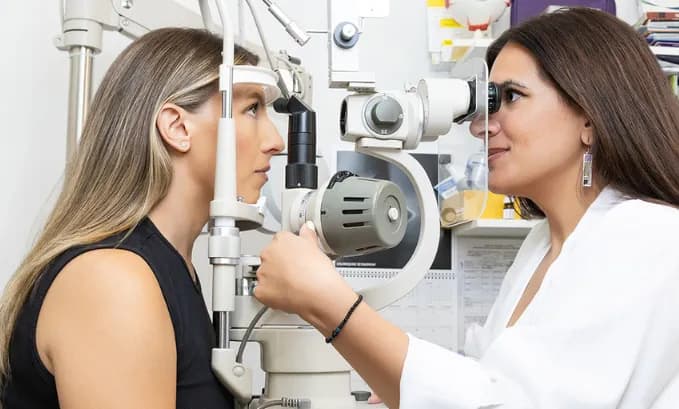
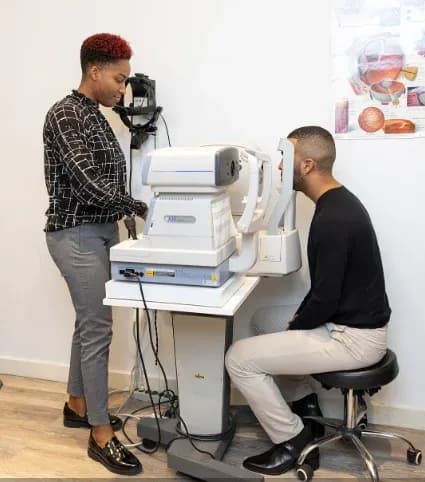
It is imperative to have regular eye check-ups as they play a significant role in preserving good eyesight and maintaining overall optical health. These screenings can identify initial symptoms of ocular disorders including glaucoma, cataracts, and macular degeneration before the situation worsens resulting in profound visual impairment. Furthermore, aside from determining potential vision concerns; these tests could also expose underlying medical problems such as hypertension or diabetes emphasizing their contribution to preventive healthcare measures. People who make it routine to book appointments for eye exams guarantee that their sight stays clear while making sure that their eyes are healthy which enables them keep up with daily activities without constraints posed by any misgivings about impaired vision.
Digital Eye Exams

Assessing visual health using advanced technology has revolutionized eye exams with the advent of digital assessments. These methods improve upon traditional techniques by utilizing high-resolution imaging systems and software to capture detailed images of internal structures within the eye, enabling professionals to identify potential issues like glaucoma, macular degeneration or diabetic retinopathy more precisely than before. This cutting-edge approach is faster than conventional measures while providing immediate feedback for greater convenience and information about your vision needs. Moreover, as telehealth grows in popularity globally today – particularly during Covid-19 times where patient-care access barriers exist due largely because they can’t travel easily without spreading the virus further -, this improved examination method has a promising future since it could soon be available virtually which would make healthcare much less challenging for individuals who are unable physically come into clinics themselves!
Advantages Digital Eye Exams
Opting for digital eye exams is becoming increasingly popular in the field of eye care due to their numerous advantages over traditional methods. One primary benefit of these exams is their efficiency, as they take lesser time and still provide a comprehensive assessment. Moreover, advanced imaging techniques used by digital technology ensure greater accuracy than standard examinations that often miss issues which could be grave conditions like glaucoma or cataracts and diabetic retinopathy; earlier detection can result in better treatment outcomes. Additionally, keeping records using digital means makes it easy to manage patient information while also facilitating seamless communication between healthcare providers when needed. All things considered, being swift yet accurate with enhanced convenience has made opting for this approach significantly progressive towards offering improved solutions within the scope of providing optimal vision health support services.
Disadvantages Digital Eye Exams
Although digital eye exams provide convenience and efficiency, they have some drawbacks. A major drawback is the possibility of inaccuracies as these exams may not offer similar detail compared to traditional ones done by a professional optometrist. Moreover, there can be limited personal interaction plus guidance on one’s vision requirements for optimal health care in online assessments. Availability could also pose an issue since individuals without internet access or required technology might not have accessibility towards it hence putting them at risk too. Lastly, people with intricate vision difficulties or underlying medical conditions may need a more comprehensive evaluation than what digital testing offers adequate assessment affecting their treatment outcomes negatively overall if relying solely on this approach alone during consultations regarding ophthalmic aid given insufficient depth hereupon paving way unanswered doubts post-exams!
Traditional Eye Exams

To ensure good vision and maintain optimal eye health, it is imperative to undergo customary eye exams. These evaluations are typically administered by optometrists or ophthalmologists and entail a thorough evaluation of an individual’s visual abilities and overall ocular function. The extensive examination comprises several assessments such as tests for clarity of vision at different distances, reviews for the suitable prescription lenses in case glasses or contacts are needed along with scrutinizing both the internal & external structures within the eyesight region.
Furthermore, assessing eye health involves screenings such as tonometry to examine for glaucoma and dilated eye exams that evaluate the retina. Early detection of common eye conditions is crucial in these assessments. Apart from identifying vision problems, routine check-ups also aid in detecting systemic illnesses like diabetes and hypertension at an early stage. As a result, regular consultations with optometrists are essential components of holistic healthcare practices to ensure individuals achieve remarkable eyesight even across their lifespan while keeping other health aspects optimal too.
Types of traditional eye exams
There are different types of traditional eye exams.
To evaluate vision and general eye health, customary eye checkups typically cover various essential elements. These involve:
The most widespread type of eye examination is the Visual Acuity Test. In this test, individuals read letters from a Snellen chart in order to assess their vision quality at different distances.
An evaluation of refraction is carried out by an eye care specialist who employs a phoropter to offer diverse lens options to the patient and ascertain the fitting prescription for glasses or contact lenses.
The Eye Muscle Test assesses the coordination and movement of eye muscles while tracking a target in various directions.
By assessing the response of pupils to light and focus, neurological problems can be discerned as suggested by Pupil Response Test.
The Slit-Lamp Examination permits an intricate observation of the various structures within the eye, such as cornea, lens and retina; thus aiding in detecting any anomalies or illnesses.
To examine for glaucoma, the measurement of intraocular pressure takes place via a tonometer.
Together, these components thoroughly assess an individual’s visual well-being by promptly pinpointing and addressing any potential issues.
Advantages of traditional eye exams
Traditional eye exams are crucial for maintaining optimal eye health as they offer multiple benefits. Firstly, comprehensive assessments can detect vision problems and conditions like cataracts or glaucoma early on, allowing for more effective treatment and prevention of severe complications. Secondly, these check-ups usually involve a thorough examination of overall eyes’ health that may help identify other issues such as diabetes or high blood pressure. Furthermore, traditional exams provide personalized consultations where people discuss their concerns with experts to obtain tailored advice regarding corrective measures and proper care practices – all contributing to preventive healthcare initiatives aimed at ensuring good vision throughout life’s stages!
Digital eye exam vs Traditional eye exam
The methodologies and patient experiences of digital eye exams and traditional eye exams vary greatly. The main difference between the two lies in their use of technology; automated equipment and software are commonly employed in digital eye exams to evaluate visual sharpness and overall ocular health, leading to faster diagnosis. Alternatively, manual testing is heavily relied upon during traditional eye exams which may result in a lengthier visit as practitioners meticulously examine each aspect of one’s vision.
A significant contrasting factor between traditional and digital eye exams is the convenience and accessibility that each option offers. Digital platforms provide patients with easy access to take their exams from home, using specialized devices or smartphone applications instead of visiting a physical location. This aspect benefits individuals who face mobility issues or have time constraints in scheduling appointments; however, it should be noted that despite its advantages, digital exams may not match up to conventional methods as they lack professional optometrist insights and thorough examinations often regarded by patients as comprehensive standard practice during traditional visits.
Conclusion
OPTYX solutions offer a time-honored and efficient approach to eye care. We prioritize quality and possess extensive knowledge of eye health, providing an array of products and services that optimize your vision while preserving the integrity of established practices. Enrich your journey towards better ocular wellness with OPTYX- incorporating newfangled technology into reliable techniques tried-and-tested over generations. Begin taking proactive measures for healthy eyes today!