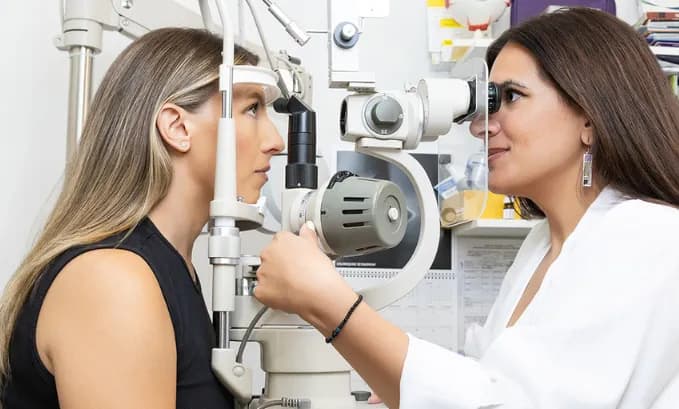
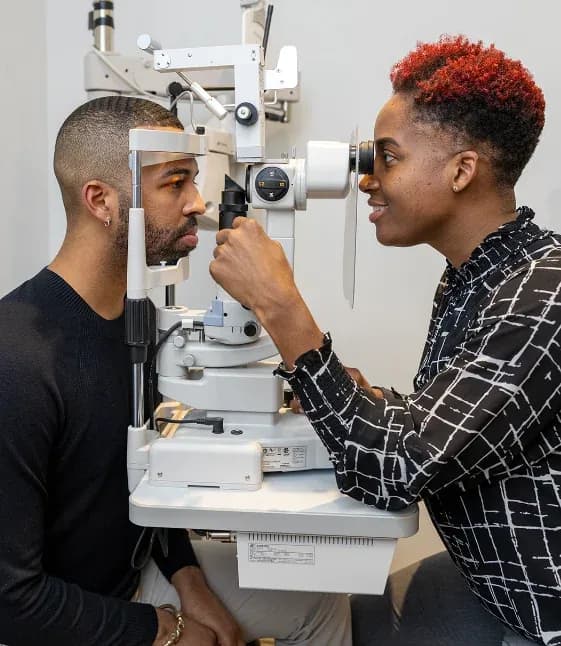
To ensure the preservation of eye health and the timely detection of possible vision issues, it is important to undergo regular comprehensive eye exams. What is a eye exam comprehensive? Such eye exam comprehensive are more extensive compared to routine visual screening as they assess factors like optic nerve functionality, retina resilience, pupil reaction, and intraocular pressure in addition to gauging your visual acuity. By undergoing these assessments regularly, one gains access to personalized corrective measures that promote long-term ocular well-being while optimizing sight quality—a crucial component of any healthcare maintenance program.
What Does a eye exam comprehensive Involve?
An in-depth examination of eye health and vision is carried out to guarantee a thorough assessment. This involves detecting astigmatism, nearsightedness, or farsightedness by means of a refraction evaluation along with various tests for conditions like cataracts and glaucoma. Additionally, evaluations are performed on other factors that encompass the positioning of eyes, peripheral vision screening, as well as employment of retina and optic nerve imaging methodologies.
A general examination and eye exam comprehensive
Generally, an examination can refer to a eye examcomprehensive or general assessment of either one’s well-being in terms of health status or knowledge level. The former takes into consideration vital factors and requires extensive testing while taking note of medical history for better evaluation. Conversely, the latter is focused on essential indicators with no particular emphasis on any specific area without considering previous academic performance thus may not offer a thorough understanding compared to its eye exam comprehensive.
At Optyx, a thorough eye exam comprehensive involves several steps
Medical Background Review
At Optyx, your initial appointment of eye exam comprehensive includes a consultation to begin the eye examination. This critical step involves discussing your medical history and overall health in detail – including any previous eye conditions or diseases and family history that may impact ocular health. To provide personalized care and detect potential issues early on, it is essential to inform the optometrist about medications you take as well. By tailoring each exam according to this valuable information, we can identify specific vision needs with maximum accuracy while providing exceptional individualized care for optimal ocular wellbeing at all times.
Visual acuity test

Assessment of visual acuity plays an important role in assessing a person’s ability to clearly perceive objects from different distances. Typically, these assessments require recognition of symbols or letters on an eye map that are equidistant from the subject. The results of such assessments are expressed as fractional values, such as 20/20 vision, where the first number indicates nearness and the last number refers to legible small letter sizes relative to those seen by average observers.
Assessment of intraocular pressure
It is extremely important to regularly monitor the intraocular pressure (IOP) to assess the condition of the eyes and detect diseases such as glaucoma. Tonometry, the primary method used to measure IOP, can be performed in several ways, including non-contact tonometry or applanation tonometry, which applies gentle force to the cornea while taking accurate readings. Consistent monitoring of high-risk individuals during a eye exam comprehensive is important because untreated elevated IOP can lead to optic nerve damage and vision loss.
Eye exam comprehensive of the anterior and posterior segments of the eye
Front side of the eye
The frontal section of the eye consists of several components, including the pupil, lens, iris and cornea. Serving as a safeguard against external damage is the outermost layer known as the cornea which plays an essential role in focusing light into our eyes. Moving inward lies another key area called the iris that helps regulate incoming light by controlling changes to its opening size – also commonly referred to as ‘the pupil’. Transforming images located at variable distances requires reshaping from within a crystalline structure found behind these structures but aptly named ‘the lens’, allowing for adjustments through shape-shifting processes.
The posterior portion of the eye.
However, situated at the rear of the eye is a intricate network consisting of three key elements: The retina, optic nerve and vitreous body. Comprising photo-receptor cells (rods/cones), the highly sensitive layer known as Retina can transform light into electrical impulses that are then conveyed to our brains for interpretation via optic nerves. Additionally, Vitreous Body- a gelatin-like substance – upholds eyeball shape while also regulating unobstructed passage of light towards Retina. These components work seamlessly together in producing clear vision enabling humans to observe their surroundings with precise eyesight quality sans any hindrances or glitches whatsoever!
An analysis of the findings and advice obtained from a thorough eye exam comprehensive

An all-inclusive assessment of the eyes provides essential information about their general well-being and uncovers any underlying medical conditions. The eye exam comprehensive typically evaluates visual sharpness, eye coordination, intraocular pressure along with detailed evaluations of the retina and optic nerve. Common discoveries may involve vision-related defects like nearsightedness or farsightedness that can be treated through corrective lenses.
After the eye exam comprehensive, it is crucial to converse with patients about their results and make sure they comprehend their visual status and any suggestions provided. Those identified with refractive issues must receive guidance on optimal corrective measures while those at risk of ocular illness may gain from lifestyle adjustments and routine follow-up visits. Educating patients regarding UV protection importance as well as good screen habits can also assist in preserving eye health. Hence a eye exam comprehensive discoveries not only inform treatment decisions but also allow individuals to actively participate in maintaining healthy vision.
How long does a eye exam comprehensive take?
A thorough eye exam comprehensive usually lasts between 30 and 60 minutes, contingent on the level of analysis needed and specific tests assigned. Throughout this period, a vision care expert will evaluate multiple aspects related to eyesight and ocular wellness such as visual sharpness, coordination of eye muscles or health condition concerning retina or optic nerve functionality. Certain patients may necessitate supplementary evaluations that could extend the length up for their appointment;
Conclusion
To ensure optimal eye health and identify possible issues at an early stage, it is essential to undergo thorough eye exams. Regular eye exam comprehensive may impact overall well-being as various systemic conditions are reflected in the eyes. Optyx pays close attention to its customers’ vision and wellness by delivering tailored eye exam comprehensive according to individual needs.