If you have been diagnosed with glaucoma in one eye, one of the first questions is whether it will develop in the other. Is glaucoma in both eyes the norm, or does glaucoma happen in both eyes eventually? The answer is not as simple as yes or no. At OPTYX, our optometrists regularly guide patients through understanding how glaucoma behaves differently in each eye and what that means for their treatment.
Does Glaucoma Happen in Both Eyes?
Does glaucoma happen in both eyes? In most cases, yes. Open-angle glaucoma, the most common form, typically affects both eyes. However, it rarely develops at the same rate in each eye. One eye often shows more advanced damage than the other, and many patients are initially diagnosed in only one eye before signs appear in the second.
This asymmetric pattern is very common. Differences in optic nerve structure, blood supply and intraocular pressure between your two eyes mean that is glaucoma in both eyes at the same stage is rare. One eye can progress faster than the other, and just because one eye appears healthy today does not mean it will remain unaffected.
Why Glaucoma Often Develops Unevenly
Understanding why is glaucoma in both eyes but at different stages requires looking at several factors:
Structural Differences Between Eyes
No two eyes are identical, even within the same person. Variations in optic nerve head size, corneal thickness and the angle of the drainage system all influence how vulnerable each eye is to glaucoma damage. An eye with a naturally thinner cornea or smaller optic nerve may show damage sooner.
Intraocular Pressure Variations
Eye pressure can differ between your left and right eyes. Even a small difference in intraocular pressure can lead to one eye experiencing more optic nerve stress over time. Regular pressure monitoring in both eyes during your comprehensive eye exams helps your optometrist track these differences.
Blood Flow and Vascular Factors
The blood supply to each optic nerve may vary slightly. Reduced blood flow to one eye can accelerate glaucoma damage on that side, even if the pressure readings are similar in both eyes.

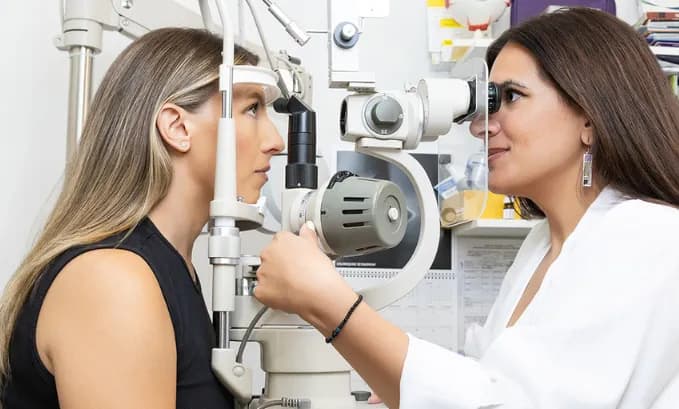
An OPTYX optometrist performs a thorough glaucoma evaluation, checking both eyes for signs of damage.
Types of Glaucoma and How They Affect Each Eye
Open-Angle Glaucoma
For open-angle glaucoma, does glaucoma happen in both eyes eventually? Almost always, yes. Because it progresses slowly and without symptoms, you may not realize both eyes are affected until a comprehensive exam reveals it. This is why glaucoma is often called the “silent thief of sight.”
Angle-Closure Glaucoma
Acute angle-closure glaucoma can strike one eye suddenly, causing severe pain, blurred vision and nausea. While the initial attack may involve only one eye, the other eye is typically at high risk as well. Preventive treatment for the unaffected eye is often recommended after an acute episode.
Secondary Glaucoma
Glaucoma caused by injury, inflammation or other eye conditions may genuinely affect only one eye. If trauma or surgery damaged one eye, the resulting glaucoma may remain isolated to that side. However, monitoring is glaucoma in both eyes or just one is still essential to ensure the healthy eye stays protected.
Can Glaucoma in One Eye Spread to the Other?
Many patients ask does glaucoma happen in both eyes because it spread from one to the other. Glaucoma does not “spread” like an infection. Instead, both eyes often share the same underlying risk factors – genetics, age, elevated eye pressure and family history. When a glaucoma diagnosis is made in one eye first, it usually means the other eye is also at risk but has not yet shown detectable damage.
This is exactly why your optometrist will monitor both eyes closely, even if only one has been diagnosed. At OPTYX, we use Optos ultra-widefield retinal imaging to detect early optic nerve changes in both eyes before vision loss begins.
How Both Eyes Are Monitored and Treated
When is glaucoma in both eyes confirmed, effective management means treating each eye based on its individual needs. Your optometrist may prescribe different eye drop strengths or frequencies for each eye depending on the pressure levels and damage found.
Key monitoring tests for both eyes include:
- Tonometry to measure intraocular pressure in each eye separately
- Visual field testing to map peripheral vision loss in each eye
- Optic nerve imaging to detect structural changes over time
- Pachymetry to measure corneal thickness, which affects pressure readings
Understanding how each eye responds to treatment helps your optometrist adjust your care plan to protect both eyes as effectively as possible. Learn more about the most accurate glaucoma tests available at OPTYX.

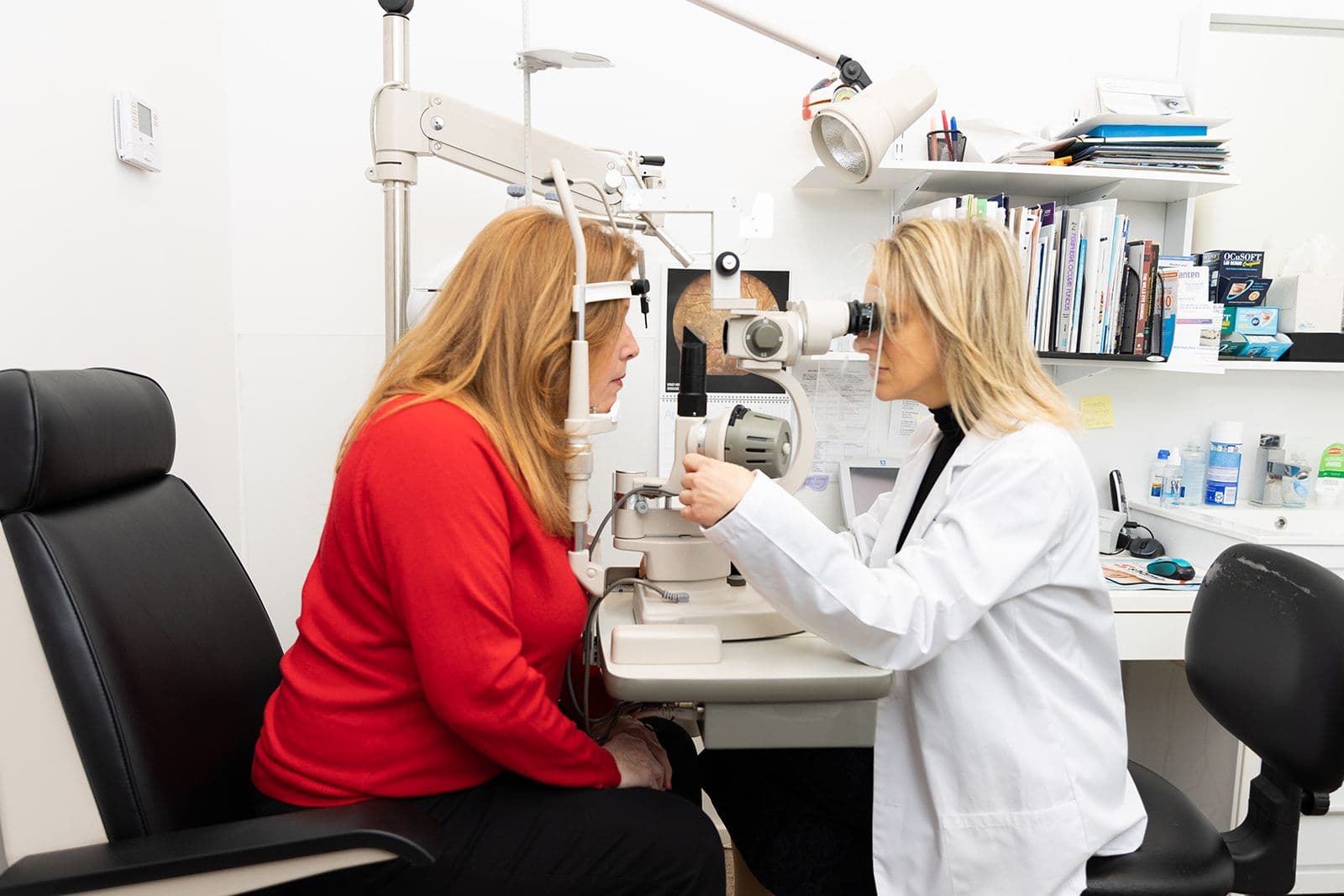
OPTYX uses advanced imaging technology to monitor both eyes for glaucoma progression.
Protect Both Eyes at OPTYX New York
Now that you understand does glaucoma happen in both eyes and why, consistent monitoring is the key to preserving your vision whether one or both eyes are affected. Visit any of our locations across NYC and Long Island to schedule a thorough evaluation of both eyes with our experienced optometrists.
Frequently Asked Questions
Is glaucoma always in both eyes?
Yes, is glaucoma in both eyes common – it usually affects both eyes, but often at different rates. One eye may show damage years before the other. Some secondary forms caused by injury or inflammation can affect just one eye.
Does glaucoma happen in both eyes at the same time?
Not usually at the same time. While does glaucoma happen in both eyes simultaneously is possible, it usually appears in one eye first. The other eye frequently develops signs later, which is why both eyes need regular monitoring.
Can you have glaucoma in one eye and not the other?
Yes, especially in early stages. However, since is glaucoma in both eyes the eventual outcome for most open-angle cases, the other eye is at elevated risk and should be closely watched.
How do I know if glaucoma is progressing in my other eye?
Regular eye exams that include pressure checks, visual field tests and optic nerve imaging are the only reliable way to detect progression. Glaucoma often causes no symptoms until significant vision loss has occurred.
How often should I get checked if I have glaucoma in one eye?
Most optometrists recommend exams every 6 to 12 months for glaucoma patients. If only one eye is currently affected, your optometrist may monitor the other eye more closely to catch early changes.