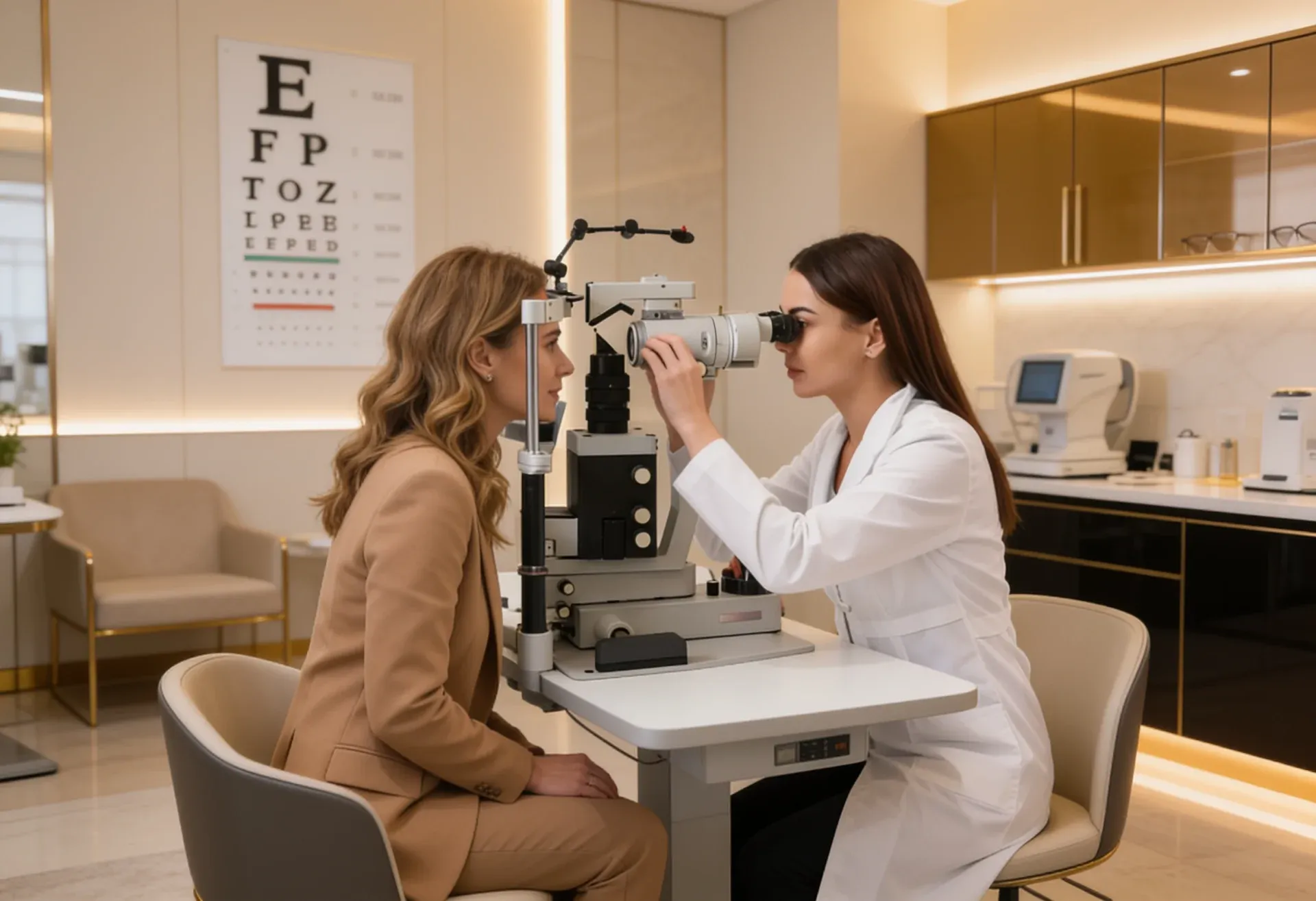

Most people need to adapt to the feel of new glasses as a routine part of acquiring eyewear. Whether it’s your first pair pair of glasses or an updated prescription, it’s natural to wonder, “Does it take time to get used to new glasses? or “How to get used to glasses for the first time” The answer is yes, and that adjustment period is completely normal. This guide will reveal what steps to expect along with the reasons behind this adjustment and effective strategies for quick adaptation. Optyx focuses on being a trusted source for optical care by helping people achieve daily clear and comfortable vision. Your journey to adapting to new eyeglasses becomes easier through the information provided here.
Understanding the Adjustment Period
When You Get New Glasses Does It Take Time to Adjust?
Several vision-related and comfort-related effects happen when you wear new eyeglasses. The new prescription lenses in your glasses show improved light behavior for better eyeball focus. Even a slight shift in prescription can lead to noticeable differences in clarity or distortions, which can feel strange at first. Changes to your frame style and lens type alter your vision perception since lens position and size modify your visible area.
“Does it take time for eyes to adjust to new glasses?” is a common question because these physical and visual differences can be disorienting. Most people notice disorientation and light head pain, altered spatial perceptions and blurred vision when their eyes collaborate with their brains to interpret contrasted images.
How the Eyes Adapt
When a person gets a new prescription their brain together with their eyes gradually learn to function with their updated vision correction. Your brain adjust to analyze visual information before changing its spatial perception and geometric understanding as well as focus system. Your eyes require time to readjust their muscles when they adapt to the prescription through a period that often brings discomfort or strain before finding comfort.
For most individuals, the answer to “does it take time for eyes to adjust to new glasses” is yes, but this period is typically short-lived. Most people trading up to new spectacles experience visual stabilization after waiting, a few days up to just two weeks as their eyes adjust to the prescription fluctuation.

Factors Affecting on Adjust to New Glasses
Several factors can influence how quickly and comfortably you adapt to your new glasses:
Prescription Changes
The adjustment time for your eyes becomes significantly longer when you receive important prescription modifications involving stronger astigmatic correction and when your prescribing doctor adds progressive lenses to your prescription.
Frame Style and Lens Type
Switching to a different frame size or shape can alter the placement of the lenses relative to your eyes, while new lens designs (e.g., progressive or bifocal) may require more effort to adapt to.
Individual Sensitivity to Get Used to Wearing New Glasses
Human beings differ in their reactions to changes in vision perception. The time required for adjustment differs based on several elements including the wearer’s age and eye vision health status together with any previous experience with glasses.
Knowledge about these factors enables people to handle expectations better and achieve a more trouble-free adaptation to their new eyeglasses. Routing yourself to another appointment with your optometrist remains the best option whenever adaptation to new eyewear proves difficult to bear.
Common Challenges in the Adjustment Period
Adjusting to new pair of glasses can be a multifaceted experience, with several challenges arising during the transition period. Understanding these issues can help you better prepare and know what to expect.
Visual Distortion and Perception
One of the most common challenges when you get new glasses is dealing with temporary visual distortions. New glasses introduce changes to how objects seem to be spaced in depth and diverse conditions to peripheral vision particularly affect progressive or multifocal lenses. The adjustments you experience during the lens adaptation period are standard for your eyes’ learning process with the new lenses. Eyes need time to adapt to new glasses yet vision distortions fade with regular wear during a period of approximately one to few weeks.
Physical Discomfort
Physical symptoms commonly bother people while they adapt to their fresh prescription glasses. During the dummy glasses period headaches along with dizziness and eye strain frequently bother people. Your eye muscles strain to adjust to the new prescription thus causing these symptoms. If you’re wondering, “Does it take time to get used to new glasses?” The answer is yes. It’s important to give your eyes time to adapt and avoid switching back to your old glasses, as this can prolong the adjustment process.
Emotional and Psychological Impact
People wearing glasses for the first time along with individuals who receive big prescription modifications usually experience challenging adjustment periods. You may experience anxiety or impatience, particularly if you’re asking yourself, “How to get used to glasses for the first time?” or “Why does it take time to adjust to new glasses?” The normal human emotions that arise during adaptation to new glasses become easier to manage once you keep in mind that this discomfort will fade away and belong to the process of adjusting your vision.
Does it Take Time to Get Used to New Glasses?
The human body needs between three to twenty-one days for complete adaptation to new eyeglasses. When prescription adjustments are minor the period of adjustment typically lasts between two to three days. New prescription strength updates or adding progressive lens prescription duration expands the adaptation time to weeks instead of days. You need to have patience while you let your eyes undergo the necessary adaptation period to accept the new lenses.
The length of time required for adjustment differs significantly between individuals because of factors which include lens strength together with lens type and vision sensitivity levels. Some people naturally adapt faster due to a higher tolerance for initial distortions or discomfort, while others may take longer, especially if they’ve never worn glasses before or are adapting to significant prescription changes.

How to Get Used to Glasses For the First Time
Gradually Increase Wear Time: If you’re wondering how to get used to glasses for the first time, start by wearing them for a few hours each day and then gradually increase the duration. This progressive adjustment helps reduce discomfort or strain.
Take Regular Breaks: During the first few days, give your eyes short breaks if you feel overwhelmed. Removing your glasses briefly can prevent dizziness while still encouraging adaptation.
Practice Focusing Exercises: Occasionally shift your focus between near and far objects while wearing your glasses to train your eyes and brain to work together with the new lenses.
By following these recommendations and seeking professional help when needed, you’ll make the transition to wearing glasses smoother and more effective.
Conclusion
Wearing new glasses demands both patience together with daily practice. When you get new pair of glasses, it’s natural to wonder “Does it take time for eyes to adjust to new glasses?”. Your eyes together with your brain require time to adjust their vision when a lens prescription changes. The adjustment process becomes smoother by following three important steps such as constant wear of glasses with regular breaks and consulting with professionals when symptoms endure.
Optyx remains devoted to providing you with an effortless transition where your experience remains painless and smooth. You should get in touch with our expert staff when you have questions or encounter difficulties while adjusting to your new optical situation. Visit our website or book an appointment for personalized assistance and guidance.