Glaucoma and cataracts are two of the most common eye conditions in adults over 60, and because both can blur or dim your vision, they are easy to confuse. In reality, they affect completely different parts of the eye, behave very differently over time and are treated in different ways. Understanding glaucoma vs cataracts helps you recognise warning signs early and know why regular eye exams matter so much.
Glaucoma vs Cataracts at a Glance
Here is a quick cataracts vs glaucoma comparison before we look at each condition in detail.
| Cataracts | Glaucoma | |
|---|---|---|
| Part of the eye | The natural lens | The optic nerve |
| How vision changes | Cloudy, foggy, faded colours | Gradual loss of side vision |
| Early symptoms | Usually noticeable | Often none |
| Is vision loss reversible? | Yes, with surgery | No, but it can be slowed or stopped |
| Main treatment | Cataract surgery | Eye drops, laser or surgery to lower eye pressure |
What Is a Cataract?
A cataract is a clouding of the eye's natural lens, which sits behind the iris and focuses light onto the retina. With age, proteins in the lens gradually break down and clump together, making the lens less clear. Other risk factors include diabetes, smoking, long-term steroid use, previous eye injury, and years of unprotected UV exposure.
Cataracts Vision: What Do Cataracts Look Like?
People often describe cataract vision as looking through a foggy or frosted window. Typical changes include:
- Blurry or cloudy vision that slowly worsens
- Colours that look faded or yellowed
- Glare from sunlight and headlights, with halos around lights at night
- Needing brighter light to read
- Frequent changes in your glasses prescription
If you are wondering what cataracts look like from the outside, early cataracts are usually invisible in the mirror. Only advanced cataracts may make the pupil look cloudy, grey or milky white.
What Is Glaucoma?
Glaucoma is a group of conditions that damage the optic nerve, the cable that carries visual information from the eye to the brain. It is often linked to raised pressure inside the eye, although glaucoma can also develop with normal eye pressure. The most common type, open-angle glaucoma, progresses slowly and painlessly, which is why it is often called the "silent thief of sight."
Glaucoma usually affects side vision first. Because the central vision stays sharp for a long time, many people do not notice anything until significant damage has occurred. Advanced retinal imaging such as Optos helps your optometrist spot changes to the optic nerve much earlier.
What Are the Symptoms of Cataracts and Glaucoma?
When people ask about the symptoms of cataracts and glaucoma, the biggest contrast is how noticeable they are.
Cataract symptoms tend to appear gradually but clearly: blur, glare, dull colours and difficulty driving at night.
Glaucoma symptoms are usually absent in the early stages. As the disease progresses, you may notice patchy blind spots in your side vision and, later, tunnel vision. A rarer form, acute angle-closure glaucoma, causes sudden eye pain, redness, blurred vision, halos, headache and nausea. This is a medical emergency and needs immediate care.
What Is the Difference Between Cataracts and Glaucoma?
The key difference between glaucoma and cataracts is where the problem sits and whether the damage can be undone. A cataract affects the lens at the front of the eye and blocks light from entering clearly. Glaucoma damages the optic nerve at the back of the eye and stops visual signals from reaching the brain properly.
So, what is the difference between cataracts and glaucoma in everyday terms? A cataract makes the whole picture cloudy, while glaucoma slowly removes pieces of the picture from the edges inward.

Which Is Worse: Cataracts or Glaucoma?
Both deserve attention, but when people ask which is worse, cataracts or glaucoma, glaucoma is generally considered more serious. Vision lost to cataracts can usually be restored with surgery. Vision lost to glaucoma is permanent. Treatment can protect the vision you still have, but it cannot bring back what has been lost, which is why early detection is so important.
Treatment for Glaucoma and Cataracts
Treatment for glaucoma and cataracts follows very different paths. Cataracts are treated with surgery: the cloudy lens is removed and replaced with a clear artificial lens. It is one of the most common and successful procedures performed today, and many people need new glasses afterwards to fine-tune their vision.
Glaucoma is managed by lowering eye pressure to protect the optic nerve. Options include prescription eye drops, laser treatment and, in some cases, surgery. Treatment is usually lifelong, with regular monitoring to make sure the condition stays stable.
Cataract Surgery and Glaucoma
Many people have glaucoma and cataracts at the same time, especially as they get older. In these cases, cataract surgery and glaucoma treatment are often planned together. Cataract surgery can sometimes lower eye pressure, and some surgeons combine it with a minimally invasive glaucoma procedure. Your optometrist will coordinate with your surgeon to choose the right approach.
Can You Have Glaucoma and Cataracts at the Same Time?
Yes. Age is a major risk factor for both, so glaucoma and cataracts frequently appear together. Some glaucoma medications and procedures can also speed up cataract development. Having one condition does not cause the other directly, but it is a good reason to keep up with regular monitoring. Precise testing is key, and our guide to the most accurate test for glaucoma explains what your optometrist looks for.
Macular Degeneration vs Glaucoma vs Cataracts
A third condition often enters the comparison. Macular degeneration vs glaucoma vs cataracts comes down to which part of vision is affected:
- Cataracts blur everything, like a dirty window
- Glaucoma gradually narrows your side vision
- Macular degeneration affects central vision, making faces and print harder to see
All three become more common with age, and all three can be detected during a thorough eye exam.
How OPTYX Checks for Glaucoma and Cataracts
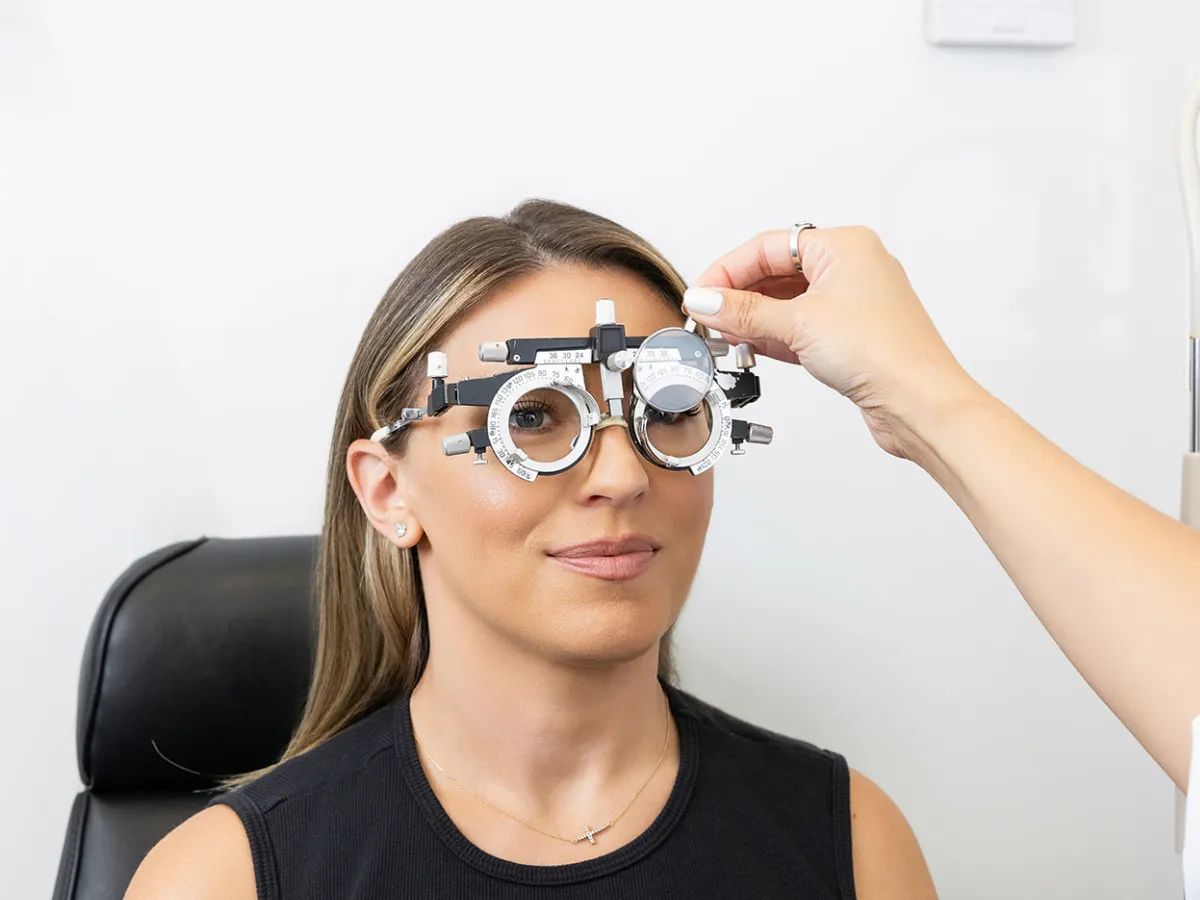
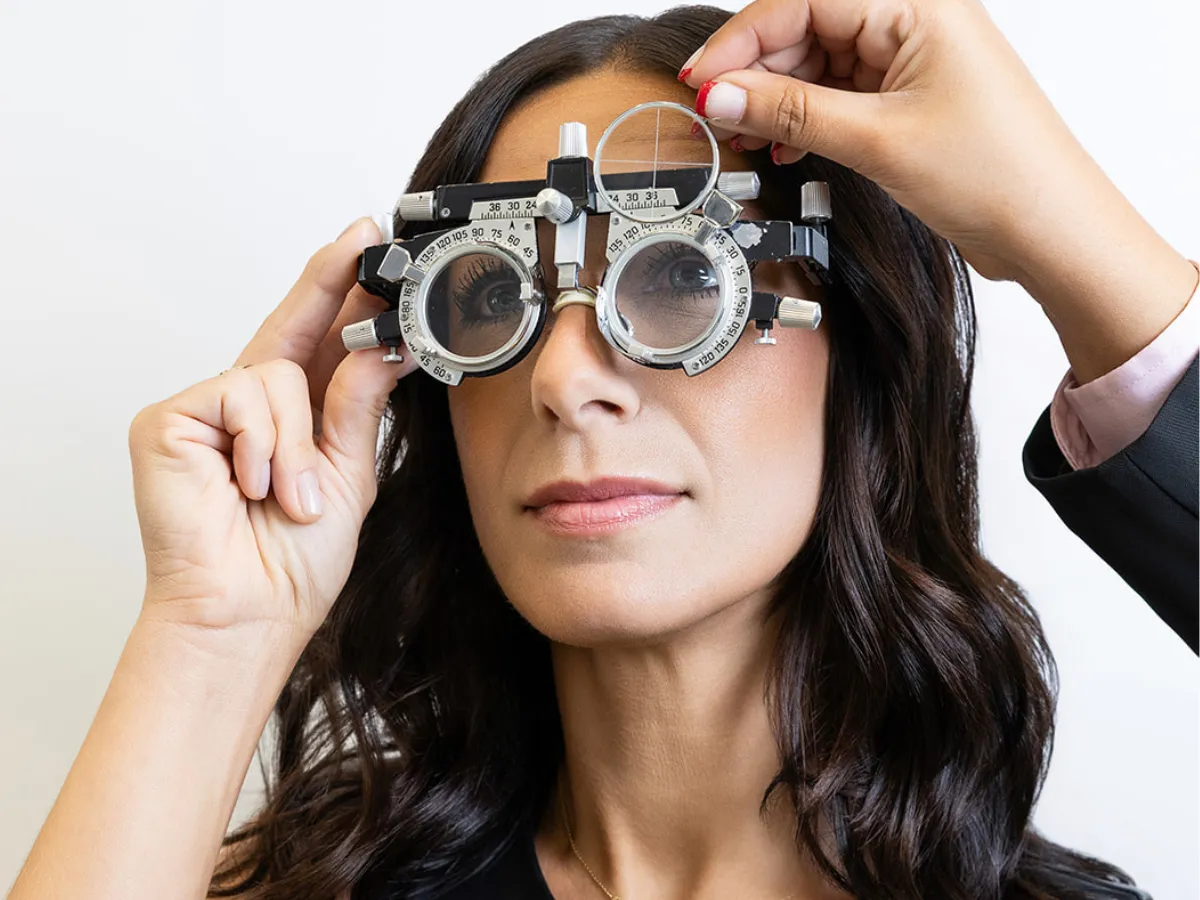
At OPTYX, a comprehensive eye exam includes a close look at the lens, measurement of your eye pressure, a detailed assessment of the optic nerve with advanced retinal imaging and, when needed, a visual field eye exam to map your side vision. These tests help your optometrist spot glaucoma long before you would notice any changes yourself.
If you have noticed cloudy vision, more glare at night or simply have not had your eyes checked in the past year, book an eye exam at one of our OPTYX locations across Manhattan and Long Island. Learn more about our team and approach to eye care at OPTYX.