
Safe driving depends on vision in great part. Good vision lets drivers see crucial road signs, signals, and other vehicles as well as other elements. Driving becomes unsafe without appropriate vision not only for the driver but also for everyone else using the road.
Those who wear reading glasses often wonder, “Can you wear reading glasses while driving?” Given those who depend on reading glasses for close-up work, this is a reasonable worry. Reading glasses’ fitness for driving can be complicated, nevertheless, and one should take careful thought on the possible hazards involved in using them behind the wheel.
This post will look at whether wearing reading glasses while driving is safe and go over some possible difficulties they could cause.
Vision Requirements for Safe Driving
Safe driving depends on a clear vision since it lets drivers see possible threats, respond fast, and keep full awareness of their surroundings. Whether they are close by or far off in the distance, it is imperative that one be able to clearly view objects at different distances when driving. Delayed responses, trouble judging distances, and a higher risk of accidents can all follow from poor distance vision.
Legal criteria for vision abound in many places when one gets or renewing a driver’s license. Having at least 20/40 vision guarantees that a motorist may clearly view road signs, signals, and other critical things at a distance. The gold standard for best driving vision, however, is usually 20/20 vision, thus a driver can clearly see what a person with normal vision can see at 20 feet.
Can You Wear Reading Glasses While Driving?
A common question among individuals who use reading glasses is: “Can you wear reading glasses while driving?” While reading glasses are designed to improve near vision for specific tasks, they may not be suitable for driving, where clear distance vision is essential for safety.
Reading Glasses: Designed for Near Vision, Not Distance
Specifically made to assist with near eyesight are reading glasses. Usually covering 12 to 16 inches, they amplify objects or text at close range. This makes them ideal for jobs include reading a book, working on a smartphone, or completing delicate close-up jobs like knitting or sewing. But the demands of driving are somewhat different from those of these close-up pursuits.
Driving calls for far more distance between your eyes and the road than reading glasses are intended for. Road signs, other cars, pedestrians, and traffic lights all fluctuate in distance and usually fall far outside the range that reading glasses can adjust to. Could you drive with reading glasses? Wearing them behind the wheel can compromise your capacity to clearly see objects at a safe distance, thereby affecting your ability to respond swiftly and calculate distance correctly, even if they may help with close-up chores. This raises your chance of accidents since your reaction time could be slowed in front of possible risks.

Impaired Distance Vision and Its Risks: Can I Use Reading Glasses For Driving
Using reading glasses while driving can significantly impair your ability to focus on distant objects. Since they are designed for short-range tasks, reading glasses do not allow for proper distance vision correction. This means that while driving, you may struggle to see far-off objects clearly, such as:
- Traffic signs that need to be read in advance for safe navigation.
- Other vehicles that you need to judge distance and speed for proper reaction.
- Pedestrians are crossing the road or near intersections.
This lack of clear vision can make it challenging to accurately judge how far away objects are, potentially delaying your response time to changes in the road or hazards. For example, can you wear reading glasses while driving? This lack of clear vision can make it challenging to accurately judge how far away objects are, potentially delaying your response time to changes in the road or hazards. For example, can you wear reading glasses while driving? Although they could assist with close-up work, they do not support distant vision, therefore, you might not spot a car stopping ahead in time or see a pedestrian crossing at a distance – both of which increase the danger of accidents.
Modern drivers also regularly come into contact with blue light from digital tools as cellphones or GPS systems. Although reading glasses could aid with adjacent text, they do not filter blue light, which can cause eye strain and disturb your sleep pattern. Blue light filtering lenses included in specialized eyewear meant for driving help to reduce these impacts.
How to Ensure Safe Vision for Driving
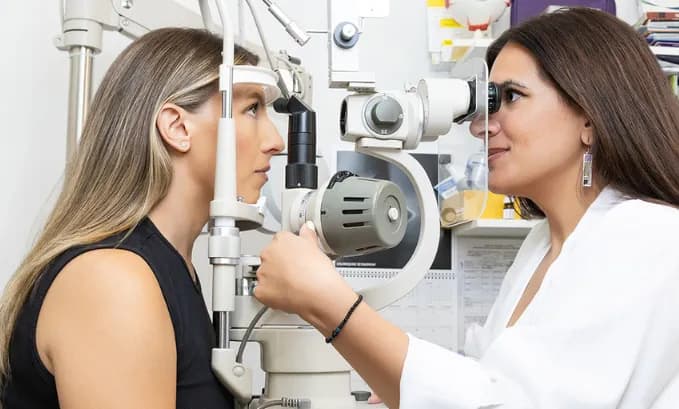
Regular eye check-ups are essential to make sure your vision is suitable for driving. If you’re wondering “Can you use reading glasses for driving?”, it’s important to note that reading glasses are designed for close-up tasks and are not suitable for long-distance vision required for safe driving. Regular visits to an optometrist help detect vision issues like nearsightedness or farsightedness, ensuring you have the right eyewear for clear vision on the road.
When choosing eyewear for driving, consulting an optometrist is key. For safe driving, you may need prescription glasses for distance vision or progressive lenses that correct both near and far vision.
Clear vision is critical for quick reactions and spotting hazards. Proper eyewear ensures you can focus on both the road and nearby signs, improving driving safety. So, make sure to consult with an eye care professional to get the best eyewear for your driving needs.
How Optyx Can Help with Glasses
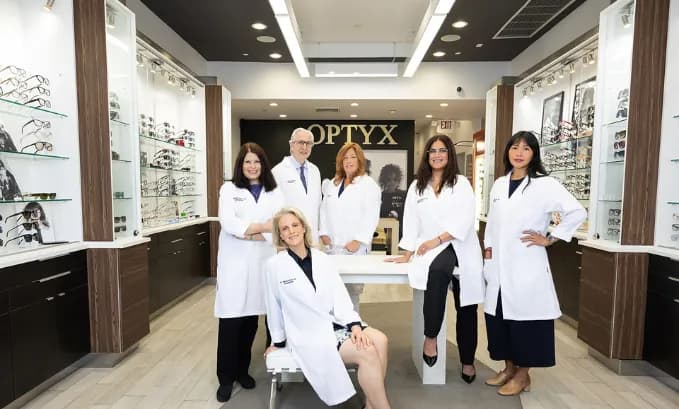
Whether your vision calls for prescription glasses, reading glasses, or sunglasses, Optyx provides a wide selection of eyewear solutions catered to your needs. Our skilled eye tests guarantee that your eyesight is best for all your regular activities, including driving. By means of a customized eye exam, we can assist in the identification of any vision problems and supply you with appropriate eyewear for both near and distant vision, therefore assuring comfort and safety behind the wheel.
Optyx also provides fashionable sunglasses with UV protection, driving glasses with specific lenses, and a large selection of reading glasses for near eyesight. Optyx can be trusted to maintain your vision clear and your eyes safe for any situation with our complete services and premium eyewear. Come explore the ideal eyewear for your way of life right now today.
Conclusion
So, can you wear reading glasses while driving? While reading glasses help with close-up tasks, they aren’t suitable for driving. They are designed for near vision and don’t correct distance vision, which is essential for driving safety. Using them behind the wheel can impair your ability to see objects at a safe distance, making it harder to react to hazards.
For safe driving, opt for prescription glasses or progressive lenses that provide clear vision for both near and far distances. If you’re unsure about your vision needs, consult with an optometrist. At Optyx, we offer expert eye exams and a wide range of eyewear to ensure your vision is optimized for safe driving. Visit us today to find the right eyewear for your driving needs.