Enhancing your vision is key to maintaining both productivity and quality of life. But when faced with the question of reading glasses vs prescription glasses, which option truly offers better vision?
From reading the fine print in books to addressing more complex vision challenges, choosing the right wearing glasses makes all the difference. But it’s not a one-size-fits-all solution. Whether you pick up a convenient pair of reading glasses or invest in tailored prescription eyeglasses, understanding the distinctions is crucial.
This guide explores the difference between reading glasses and prescription glasses, helping you make an informed choice. Plus, we’ll highlight Optyx as a trusted source for both styles of high-quality eyewear.
Understanding Reading Glasses
What are Reading Glasses?
Reading glasses are designed to assist with close vision tasks, such as reading books, using smartphones, crafting, or computer work. They magnify small print and improve overall clarity when focusing on nearby objects.
Typically, reading glasses are pre-made, available over the counter, and come in a variety of lens strengths (measured in diopters).
Features of Counter Reading Glasses
Reading glasses are designed to address and treat presbyopia, a natural condition that occurs with age and affects the eye’s ability to focus on close objects. They provide a convenient solution, as they are widely available at pharmacies, grocery stores, and online, making them easily accessible for anyone in need of visual aid. In addition to being convenient, reading glasses are also affordable, with ready-made pairs typically budget-friendly and ideal for occasional use or as a backup solution.
These glasses are particularly suitable for individuals with mild presbyopia who require occasional assistance with close-up tasks. However, it’s important to note that reading glasses are not customized to individual prescription needs. If you have conditions like astigmatism or require different powers
for each eye, reading glasses may not be sufficient, as they do not offer the tailored correction that prescription glasses provide.

What Are Prescription Glasses?
What Defines Prescription Glasses?
Prescription glasses are custom-made by professionals to correct an individual’s specific vision requirements and eye health issues. Unlike reading glasses, they address a broader range of conditions, from mild to complex.
Conditions Corrected by Prescription Glasses
Prescription glasses are designed to correct a variety of vision conditions. For individuals with myopia, or nearsightedness, prescription glasses help improve visual clarity at a distance. In contrast, hyperopia, or farsightedness, affects one’s ability to see objects up close, and prescription glasses help with that as well. Those with astigmatism, which causes blurry vision due to an irregularly shaped cornea or lens, also benefit from prescription lenses that correct this distortion. Additionally, prescription glasses can address presbyopia, the age-related decline in near vision that typically affects individuals over the age of 40.
Key Difference Between Reading Glasses and Prescription Glasses
Customization: Reading Glasses vs Prescription
When it comes to customization in prescription glasses vs reading glasses, reading glasses typically offer standardized lenses with the same correction power in both lenses. They are designed for general, non-specific use and are not tailored to individual vision needs. On the other hand, prescription glasses provide fully customized lenses that are based on a detailed examination by an optometrist, ensuring that they address the unique vision requirements of the wearer.
Vision Scope
In terms of reading vs prescription glasses of vision scope, reading glasses are intended for close-distance tasks only, such as reading or working on a computer. They are a great option for individuals who need occasional visual aid for near vision. Prescription glasses, however, are designed for a wider range of uses, including near, intermediate, and distance vision, making them more versatile for most people who need correction for different focal distances.
The Role of Eye Exams: Differences Between Prescription and Reading Glasses
One key difference between reading glasses is the need for a professional evaluation. Reading glasses are non-prescription or require an eye exam. These glasses can be easily purchased off the shelf without any prior eye assessment, making them a quick and convenient solution for those with mild, near-vision issues.
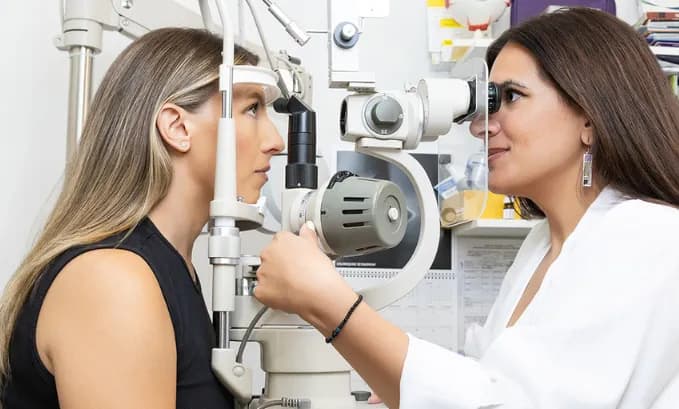
On the other hand, prescription glasses require a comprehensive eye exam to accurately determine the correct prescription. An optometrist will evaluate your vision needs and ensure that the glasses are tailored to provide the precise correction required for clear, comfortable vision. Whether you need astigmatism correction, nearsightedness, farsightedness, or other conditions, prescription glasses offer a customized solution to meet your specific needs.
Durability and Quality
Prescription glasses of high quality can feature more durable materials, anti-glare technologies, and scratch-resistant coatings, therefore guaranteeing a longer lifespan than more basic reading glasses. Top companies like Optyx shine in offering fashionable choices for long-lasting pleasure.
When to Choose Reading Glasses
Reading glasses are a great choice when your vision needs are mild and restricted to near-sighted tasks. Here are some scenarios where they work best:
- Mild cases of presbyopia with no complex eye conditions.
- Occasional tasks like reading, crafting, or viewing menus.
- Backup eyewear for quick on-the-go fixes.
Keep in mind that reading glasses have limitations. If you’re experiencing blurry vision or require different strengths for each eye, it’s time to consider alternatives.

When to Choose Prescription Glasses
If your vision needs are complex or affect other areas of your life beyond near-sighted tasks, it’s best to invest in prescription glasses.
Signs You Need Prescription Glasses for Eye Health
- You experience persistent eye strain or headaches even when using reading glasses.
- Your vision involves multiple refractive issues, such as astigmatism or myopia.
- Tasks like driving, working on screens, or reading become cumbersome.
Optyx offers a premium range of prescription glasses, built to fit your exact vision needs with unmatched quality and style.
The Optyx Advantage
Whether you’re considering reading glasses vs prescription glasses, Optyx is here to elevate your vision experience and give professional advice. We are trusted by so many eyewear lovers, and here’s why:
Regarding eyeglasses, we provide expert curation so that, whether your search is for basic readers or specialized prescription glasses, we only find the best products to fit your needs. Made with premium, higher quality materials and with durability, clarity, and comfort in mind, our lenses and frames. At Optyx, we think of offering reasonably priced luxury so you may enjoy professionally made eyewear without going broke.
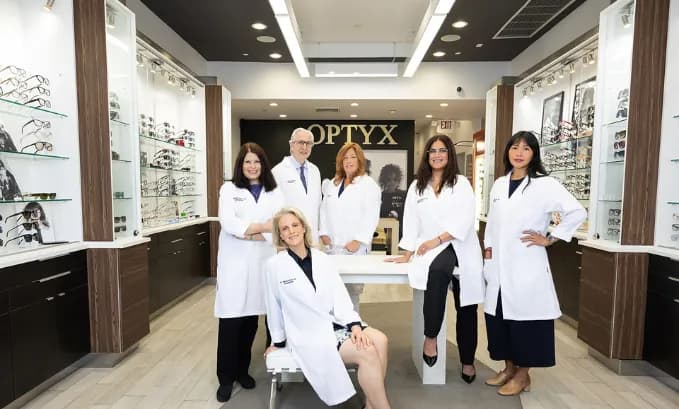
Our optometrists are dedicated to providing personalized advice and conducting thorough eye exams to determine the best prescription for you. With expert guidance and the right eyewear, you’ll enjoy enhanced vision and comfort tailored specifically to your needs.
Style meets functionality in our extensive collection, ensuring that whether you opt for reading glasses vs prescription glasses, you’ll not only see better but also look your best.
Explore our range of eyewear today and find the perfect match for your vision needs and correct vision problems.
Find the Right Glasses for Your Vision
Choosing between reading glasses vs prescription glasses ultimately depends on your specific vision requirements. For simple near-sighted tasks, reading glasses may suffice. However, for comprehensive vision correction, prescription glasses are the superior option.
Don’t settle for less when it comes to your sight. Take a step toward clearer vision by consulting with an Optyx eye care professional for the best glasses and frame quality. Browse our wide range of reading and prescription glasses today to elevate your eyewear experience.