
You can buy glasses with FSA funds using pre-tax dollars your employer helps you set aside. Prescription eyeglasses, sunglasses, reading glasses, contact lenses, and annual eye exams all qualify under your FSA plan. The list is broader than most people expect. Start with an eye exam at OPTYX to get a current prescription and the green light to shop for covered eyewear.
What Eye Care Expenses Are FSA Eligible?

Your FSA covers most out-of-pocket eye care costs your health or vision insurance does not pay. Prescription eyewear of every type qualifies, and some over-the-counter items do too. Here is a quick reference:
| Expense | FSA Eligible? | Notes |
|---|---|---|
| Comprehensive eye exam | Yes | Co-pays and deductibles included |
| Prescription eyeglasses | Yes | Bifocal, progressive, and specialty lenses |
| Anti-reflective and scratch-resistant coatings | Yes | Added to any prescription lens |
| Prescription sunglasses | Yes | Lenses must carry a valid prescription |
| Reading glasses (prescription) | Yes | Covered at point of sale |
| Reading glasses (over-the-counter) | Yes | Reimbursement submission typically required |
| Contact lenses | Yes | Daily, monthly, toric, and multifocal |
| Blue light filtering lenses (with prescription) | Yes | Non-prescription pairs do not qualify |
| Non-prescription sunglasses | No | UV protection alone does not qualify |
The term "FSA eligible" means the IRS classifies the expense as a qualified medical cost. Each employer plan has its own rules, so confirm specific items with your benefits administrator before purchasing.
Can You Buy Glasses with FSA at the Point of Sale?
Yes. Most FSA plans release the full annual election on the first day of your plan year, so you do not wait for contributions to accumulate. Pay at checkout with your FSA debit card and the amount is deducted directly. If your plan uses a reimbursement model instead, you pay out of pocket first and submit the receipt.
Can I Use My FSA for Prescription Sunglasses?
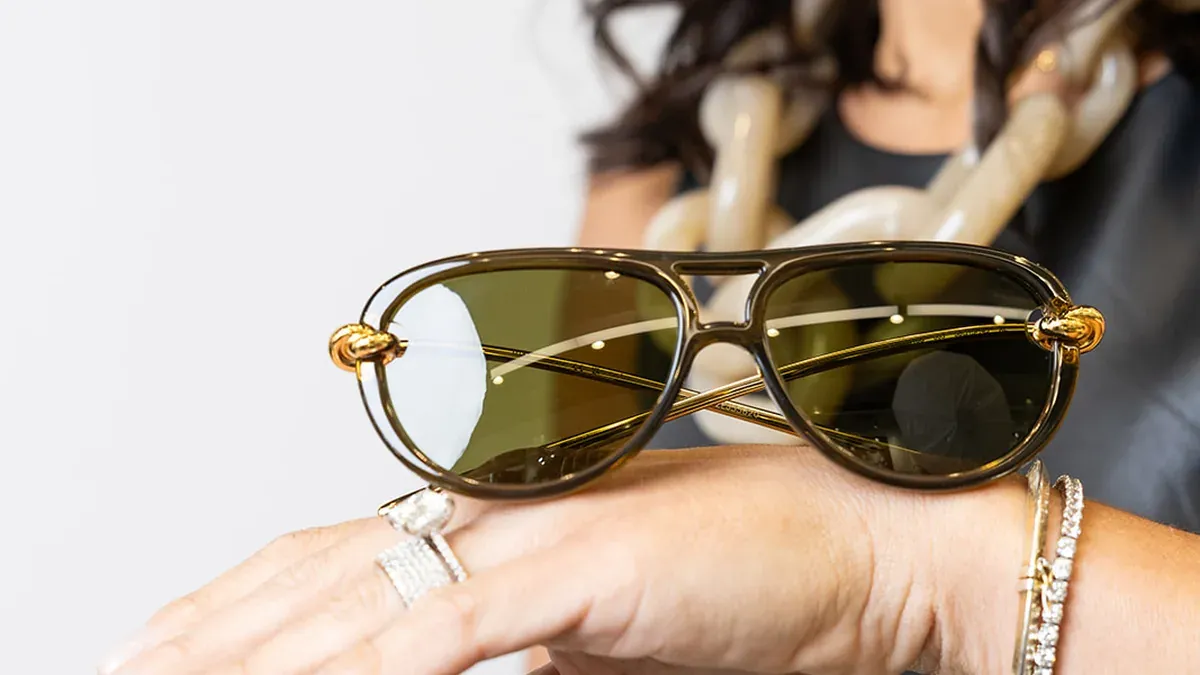
Prescription sunglasses are FSA eligible. The requirement is a valid prescription: standard non-prescription sunglasses do not qualify, regardless of UV rating. Your FSA can pay for polarized, mirrored, and photochromic lenses as well as specialty sport lenses, provided they are made to your prescription.
This distinction matters before you shop. At OPTYX, your optometrist can write a sunglass prescription at the same exam visit, so you leave ready to order. Read the guide to sunglasses and UV protection for the whole family for what to look for in lens quality before your next purchase.
Are Reading Glasses FSA Eligible?

Reading glasses are FSA eligible, both prescription and over-the-counter. Prescription reading glasses are covered directly at the point of sale. Over-the-counter reading glasses from a pharmacy also qualify, though you will typically need to submit them for reimbursement rather than using your FSA card at checkout.
If you need help finding the right pair in New York, the guide to reading glasses in NYC covers what to look for in lens power and frame fit.
Are Contact Lenses FSA Eligible?
Contact lenses are FSA eligible across all lens types. Daily disposables, monthly lenses, extended-wear lenses, toric lenses for astigmatism, and multifocal lenses all qualify. Contact lens solution is typically covered as well, depending on your plan.
Not sure whether contacts or glasses suit you better? The comparison of contacts vs. glasses covers the key differences in comfort, cost, and day-to-day use. Both are FSA eligible, so the choice comes down to preference and your optometrist's recommendation.
How Does an FSA Work for Vision Care?
A Flexible Spending Account is an employer-sponsored benefit that lets you set aside pre-tax dollars for qualified health and vision expenses. Contributions are exempt from federal income tax, federal unemployment tax, and Social Security and Medicare taxes. That pre-tax structure means every FSA dollar goes further than an after-tax payment would.
You elect an annual contribution during open enrollment. Your employer may also add funds to the account. The IRS adjusts the annual contribution maximum each year, so check the current limit with your HR department or benefits portal. Every FSA eligible vision purchase, from new frames to a full comprehensive eye exam, draws from that same account.
Do I Lose Unspent FSA Money at the End of the Year?
Yes. Most FSA plans follow the FSA use-it-or-lose-it rule: funds not spent by the end of the plan year are forfeited. Some employers allow a grace period of up to two and a half months into the following year, and others permit a limited carryover amount. Neither feature is guaranteed. Check your plan documents for the exact deadline that applies to you.
Vision care is one of the most practical ways to spend a remaining FSA balance before it disappears. You can buy glasses with FSA funds, order contact lenses, or book an annual eye exam before your deadline. The guide to FSA glasses and contacts: what qualifies and when to spend covers your best options as year-end approaches.
Eye Exam FSA Cost and How It Works

An annual eye exam is an FSA eligible expense. The eye exam FSA cost your account covers is the out-of-pocket share not paid by your vision insurance, including co-pays and deductibles. Actual costs vary by practice and plan.
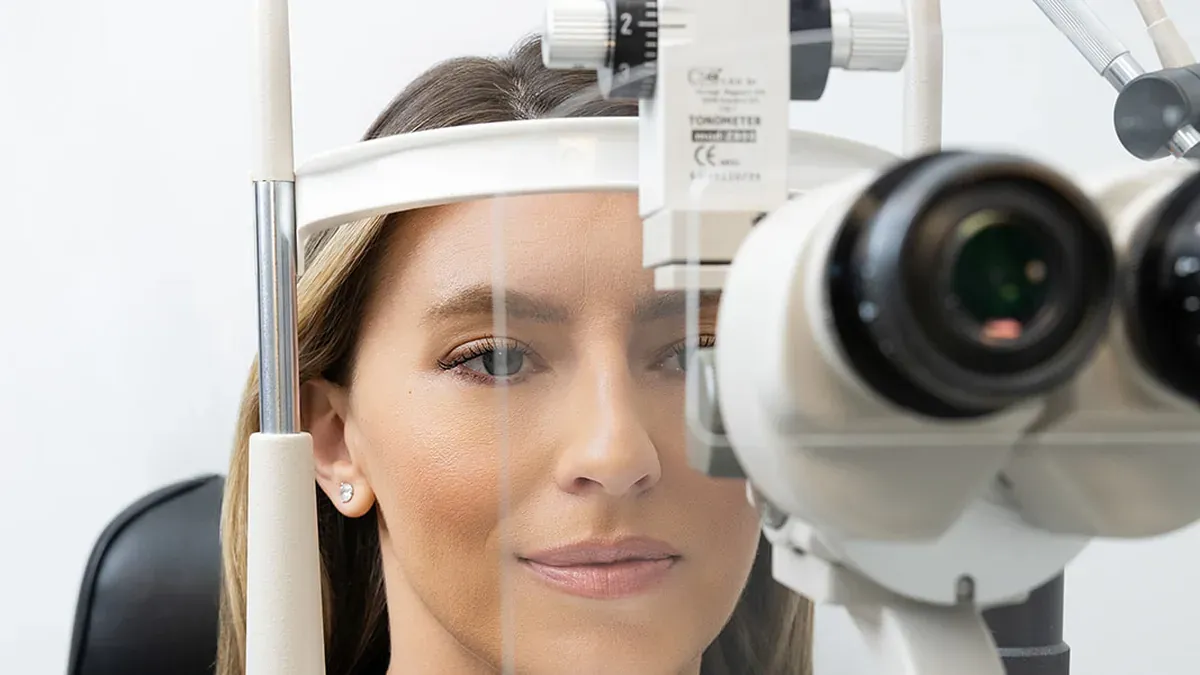
A comprehensive exam does more than update your prescription. Your optometrist checks intraocular pressure, evaluates retinal health, and looks for early signs of conditions that rarely produce noticeable symptoms at the outset. Scheduling one each year is a direct, practical use of FSA vision care dollars. It also matters for a straightforward reason: a current prescription is required before you can buy glasses with FSA funds.
OPTYX optometrists offer comprehensive eye exams across Manhattan, Long Island, the North Fork, the Hamptons, and Westchester. Visit OPTYX New York to find the location closest to you.
Book an Eye Exam
Book an Eye Exam at OPTYX to get a current prescription and put your FSA vision care balance to work before your plan year ends.
Sources
- submit them for reimbursement. www.allaboutvision.com