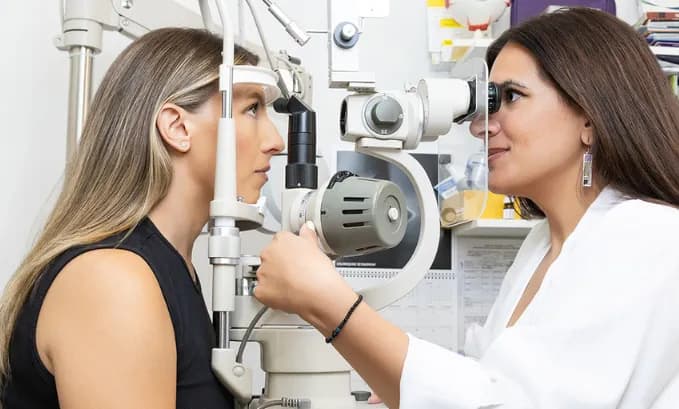

In the sophisticated world of modern eye care, where precision meets patient safety, few questions arise as frequently as concerns about driving after comprehensive eye examinations. At OPTYX, the distinguished optometrist service serving New York City and Long Island since 1971, we understand that the question “can you drive after an eye exam” represents more than simple curiosity – it reflects genuine concern for personal safety and daily routine management.
The intersection of necessary eye care and practical transportation needs creates a unique challenge for today’s busy adults. Whether you’re a Manhattan executive with back-to-back meetings or a Long Island professional managing family responsibilities, understanding when and how to safely navigate post-examination driving is essential.
Understanding Eye Examinations and Their Effects
Modern comprehensive eye examinations involve multiple components designed to assess different aspects of your visual health. At OPTYX, our thorough approach ensures every aspect of your vision receives proper attention, from basic acuity testing to advanced retinal imaging using Optos® technology.
The most significant factor affecting post-examination driving is pupil dilation, a crucial diagnostic procedure that temporarily alters your vision. When optometrists use dilating drops, your pupils expand significantly, allowing a comprehensive examination of internal eye structures. This expansion creates temporary visual changes that directly impact driving safety.
The question “Can I drive with dilated eyes?” becomes particularly relevant when you understand that dilated pupils cannot constrict normally in response to bright light. This physiological change results in increased light sensitivity, potential glare issues, and difficulty focusing – all factors that can compromise driving safety.
The Science Behind Pupil Dilation
Pupil dilation affects your vision through several mechanisms that every driver should understand. The dilating drops temporarily paralyze the muscles that control pupil size and lens focusing. This paralysis serves important diagnostic purposes but creates predictable visual side effects.
When considering “Can I drive with my eyes dilated?” it’s essential to understand that your eyes lose their ability to automatically adjust to changing light conditions. Bright sunlight, oncoming headlights, and reflective surfaces can create uncomfortable glare that impairs your ability to see clearly.
The duration of these effects varies among individuals, typically lasting between four to six hours, though some people experience effects for up to eight hours. Age, eye color, and individual sensitivity can all influence how long the dilation effects persist.

Professional Safety Guidelines
The optometry profession has developed comprehensive guidelines addressing “can i drive with eyes dilated” based on decades of clinical experience and safety research. These guidelines emphasize individual assessment rather than blanket restrictions, recognizing that dilation affects people differently.
At OPTYX, our optometrists evaluate each patient’s specific response to dilation, considering factors such as light sensitivity, visual acuity changes, and individual comfort levels. We provide personalized recommendations based on your unique circumstances and driving experience.
Safety Assessment: When Driving May Be Appropriate
Determining whether you can safely drive after an eye examination requires honest self-assessment of your visual capabilities. The question “can you drive after an eye exam?” cannot be answered with a simple yes or no – it requires careful evaluation of your specific circumstances.
Consider your visual clarity first. If you can read street signs clearly, judge distances accurately, and maintain comfortable focus on the road ahead, you may be able to drive safely. However, if text appears blurry or you experience significant visual discomfort, driving should be postponed.
Light sensitivity represents another crucial factor. If bright sunlight causes significant discomfort even with sunglasses, driving becomes unsafe. The ability to handle glare from oncoming headlights and reflective surfaces is essential for safe driving.
Frequently Asked Questions: Post-Examination Driving Safety
Can you drive after an eye exam without dilation?
Yes, routine eye examinations that don’t involve pupil dilation typically don’t affect your ability to drive safely. At OPTYX, our Optos® imaging technology often eliminates the need for dilation entirely.
How long should I wait before driving after dilation?
Most people should wait at least four to six hours after dilation before driving, though individual recovery times vary.
Can I drive with dilated eyes if I wear prescription glasses?
Prescription glasses help with underlying vision correction, but don’t address light sensitivity caused by dilation. You’ll still need to assess your comfort and safety.
What should I do if I feel unsafe driving after my examination?
If you feel unsafe driving, don’t drive. Contact a family member, friend, or transportation service for a safe ride home.
Are there legal restrictions on driving with dilated eyes?
While there are no specific laws prohibiting it, you could be held liable if dilation-related vision impairment contributes to an accident.

Take Action: Prioritize Your Eye Health and Safety
Don’t let concerns about post-examination driving prevent you from receiving essential eye care. Schedule your comprehensive eye examination at OPTYX today, and let our experienced optometrists guide you through the process with personalized safety recommendations. Ask about our Optos® imaging technology for dilation-free eye exams.
Contact OPTYX at our convenient New York City or Long Island locations to discuss your eye examination needs and learn more about our patient-centered approach to post-examination care.
Visit OPTYX today – where comprehensive eye care meets personalized safety guidance.