
Choosing between glasses vs contacts is one of the most practical questions raised at an eye exam, and the answer depends on your prescription, lifestyle, and eye health. Both options correct refractive errors reliably. Glasses are lower-maintenance and never touch the eye; contacts offer a wider field of view and more freedom during physical activity. For most people, the best choice is whichever option they will wear consistently and care for correctly.
At a Glance: Glasses vs Contacts

| Feature | Glasses | Contacts |
|---|---|---|
| Maintenance | Clean lenses daily; frames last years with care | Replace on schedule; daily cleaning required unless using daily disposables |
| Peripheral vision | Limited by frame edges | Near-full field of view |
| Sports and activity | Risk of breakage or slipping | Preferred for most physical activity |
| Astigmatism | Full prescription range available | Toric lenses required; fitting is more involved |
| Dry eye risk | No added irritation to the eye surface | Can worsen symptoms in susceptible eyes |
| Cost pattern | Higher upfront cost; lower long-term spend | Lower upfront cost; ongoing annual supply cost |
The glasses vs contacts comparison shifts depending on your specific prescription and daily habits. Understanding where each option has a genuine edge helps you go into a fitting conversation with the right questions.
Prescriptions for glasses and contacts are not the same document. A contact lens fitting exam includes additional measurements that a standard glasses prescription does not cover.
Are Contacts or Glasses Better for Your Eyes?
Neither option is inherently safer when used correctly. Glasses rest in front of the eye and carry virtually no infection risk from the correction itself. Contacts sit directly on the cornea, so hygiene and replacement schedules matter more.
Worn as prescribed, both correct vision effectively. Problems tend to arise when contacts are overused, cleaned improperly, or slept in without authorization from your eye doctor. Hygiene is non-negotiable. Glasses carry no such risks from extended wear, though they do limit peripheral vision and can fog up in changing environments.
Your diagnosis shapes the picture further. Certain conditions respond better to one option than the other. That is why optometrists evaluate both the prescription and the overall eye health during a consultation, rather than treating the glasses vs contacts decision as a simple preference question.
When Glasses Make More Sense

Glasses suit people who want reliable, low-maintenance correction. A well-maintained pair can last several years, which makes them cost-effective over time. The range of available frame designs also means eyewear can reflect your personality as readily as it corrects your vision.
Glasses work well for people with sensitive eyes, anyone recovering from an eye procedure, or those uncomfortable with touching their eyes directly. They provide a natural layer of physical protection against wind, dust, and airborne particles. That protection adds up.
Glasses for Astigmatism
People with astigmatism often start with glasses because the prescription is straightforward to fill. The lenses correct irregular corneal curvature without any additional fitting steps. Glasses for astigmatism cover the full range of prescription strengths and are available in every frame style.
The simplicity is a real advantage. For significant astigmatism, glasses give the optometrist more flexibility in the prescription without the orientation challenges that toric contact lenses introduce. Contacts can correct astigmatism too, but the process requires more testing before the final prescription is confirmed.
When Contacts Give You an Edge
Contacts remove the physical constraints of a frame entirely. You get near-full peripheral vision and no concern about frames slipping, fogging, or getting knocked off. For anyone who plays sports or leads an active lifestyle, contacts offer a noticeably more practical experience.
Contacts also suit people who prefer not to alter their appearance with frames. Clear lenses correct vision invisibly; tinted options can adjust your eye color if you want a different look.
Switching to Contact Lenses
Switching to contact lenses from glasses is straightforward for most standard prescriptions. The step most people underestimate is the separate fitting process. A current glasses prescription does not transfer directly to a contact lens prescription. See Contact Lens Exam vs Eye Exam: Understanding the Differences for a clear breakdown of what that distinction means in practice.
The insertion and removal process feels unfamiliar at first, but it becomes routine with practice. Your optometrist will walk you through the technique before you leave the fitting appointment and confirm the lenses are fitting and moving correctly.
Can You Wear Contact Lenses if You Have Astigmatism?
Yes. Toric contact lenses are designed specifically to correct astigmatism and are available in both daily and monthly formats. The fitting process is more detailed than for standard spherical lenses because the lens must maintain a consistent rotational position to correct the prescription accurately.
Your optometrist will measure the axis and cylinder values of your astigmatism, assess corneal shape, and trial-fit toric lenses before finalizing anything. The fitting may require two visits. That step takes time. Once the prescription is established, most people with astigmatism find toric contacts as comfortable and reliable as any other lens type.
In the glasses vs contacts comparison for astigmatism, the choice is genuinely close. Glasses are faster to prescribe; contacts require more fitting time but give you the lifestyle benefits of lens-free frames.
Do Contact Lenses Cause Dry Eyes?
In the glasses vs contacts decision, dry eye history is one of the most important factors to discuss with your optometrist. Contact lenses reduce oxygen flow to the corneal surface and can disrupt the tear film, contributing to dryness, irritation, and a gritty sensation by the end of the day.
Not all contacts affect the tear film equally. People who already have dry eye often do better with daily disposable lenses, because there is no lens buildup and each pair starts completely fresh. Silicone hydrogel materials, which allow more oxygen transmission than older lens types, can also reduce dryness-related discomfort.
Persistent dryness is worth a professional evaluation. An optometrist can assess the cause and recommend the right contacts for dry eyes, whether that means a different lens material or wearing schedule. Trying different brands on your own typically delays the right solution.
How Long Can You Safely Wear Contacts Each Day?
Your optometrist establishes the maximum daily wearing time during your contact lens fitting exam. That limit accounts for your tear film health, corneal oxygen requirements, and the specific lens material you have been fitted with. Wearing lenses longer than recommended increases the risk of corneal hypoxia, inflammation, and infection.
Extended wear lenses, approved for overnight use, are a separate category. They require a prescription specifically for that use and regular follow-up visits to monitor corneal health. Most optometrists recommend daily wear only unless there is a clear clinical reason. That advice is sound.
The rule is simple. Follow the wearing schedule your optometrist sets. If your eyes feel irritated before the recommended end of the wearing period, remove the lenses and contact your eye care provider.
Daily vs Monthly Contacts: Which Works for Your Life?
The choice between daily vs monthly contacts comes down to convenience, eye health history, and how often you wear them. Daily lenses are single-use: open a fresh pair each morning and discard them at night. No cleaning solution, no lens case, no risk of overnight contamination. This makes them well-suited for occasional wearers or anyone with a history of contact lens-related irritation.
Monthly lenses last up to 30 days with proper daily cleaning and storage. They typically cost less than dailies over a full year of regular use, though you need to account for cleaning solution and cases. Monthly lenses require consistent discipline around the replacement schedule; wearing them past the recommended date raises infection risk.
For a closer look at both formats and guidance on which suits your lifestyle, see Daily vs Monthly Contact Lenses: Which Is Right for You?.
Is It Bad to Switch Between Glasses and Contacts?
Switching between glasses and contacts does not harm your eyes. Most wearers alternate regularly, using glasses at home and contacts during the day, or switching based on how their eyes feel. There is no clinical reason to avoid it.
What matters is that both prescriptions are current. Glasses and contact prescriptions contain different measurements and are not interchangeable. An outdated prescription for either option will affect vision quality. If both are based on recent exams, you can move between glasses and contacts freely. Both options complement each other.
Your Contact Lens Fitting Exam

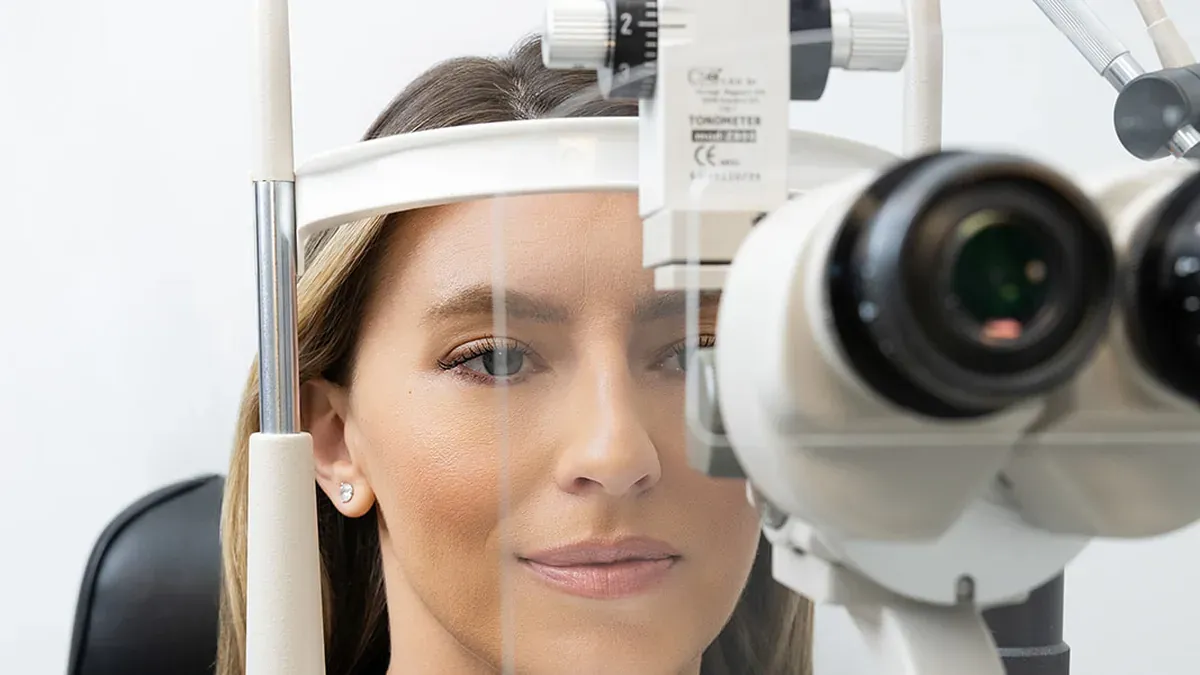
An eye exam for contact lenses goes beyond a standard glasses prescription. The contact lens fitting exam includes measurements of corneal curvature (keratometry), pupil diameter, and tear film health. These determine which lens design will fit correctly and which material is most likely to stay comfortable through the day.
A fitting typically involves trial lenses worn during the appointment itself. Your optometrist checks the fit, centration, and movement of the lens on the eye before finalizing the prescription. Nothing gets skipped here. Toric lenses for astigmatism may require a second visit to confirm consistent orientation.
For a step-by-step guide to what to expect at OPTYX specifically, Your Contact Lens Eye Exam at OPTYX: What to Expect covers the process in detail.
The optometrists at OPTYX assess your prescription and overall eye health before recommending glasses, contacts, or a combination of both. Getting that assessment right is what makes the glasses vs contacts decision a clinical one rather than a guess.
Book an Eye Exam
Whether you are weighing glasses vs contacts for the first time or reconsidering your current setup, Book an Eye Exam at OPTYX and let your optometrist guide the decision with a full clinical picture.
Sources
- Molina-Martín A et al. (2023). Efficacy of Presbyopia-Correcting Contact Lenses: A Systematic Review. Eye & contact lens. PubMed