Changes in our vision become a regular worry as we spend more time reading, working on computers, or staring at phone screens. Another element that sometimes affects our capacity to concentrate on close-up text is aging, which causes annoyance and discomfort while reading. It may be time for an eye test for reading glasses if you find yourself squinting or holding books and devices at arm’s distance simply to see the words. But what part does an eye exam for reading glasses play in enhancing your daily life, and how do you know whether glasses are absolutely required? Maintaining a clear and pleasant perspective of the world around you depends on an eye test for reading glasses, hence this thorough guide will help you understand when to get one, how to know whether you need glasses, and why.
Why Our Vision Changes Over Time

Our vision changes naturally as we age. Usually starting around the age of forty, presbyopia is one of the most prevalent reasons one needs reading glasses. Presbyopia is a slow loss of the eye’s capacity to focus on surrounding things brought on by lens inside the eye hardening. The lens finds it more difficult to adapt and concentrate on close-up activities as reading a book, staring at a smartphone, or needle threading this hardening.
Spending long hours staring at screens—for either job or leisure—may also cause eye strain and demand for vision correction in younger people. More individuals work from home and rely mostly on digital gadgets for communication and pleasure, so digital eye strain—also known as computer vision syndrome—is becoming more widespread. An eye test for reading glasses is a crucial first step in resolving this strain, which can show up as blurred vision, headaches, and trouble focusing.
Recognizing the Signs That You May Need Reading Glasses
Many people postpone an eye test for reading glasses as are unsure if their vision changes are sufficient to call for glasses. Early discovery, though, can significantly affect comfort and quality of life. Here are some signs for eye test how to know if you need glasses:
- Blurry Vision When Reading: You might want reading glasses if you discover that text in books, on your phone, or on the computer screen seems fuzzy even at a reasonable reading distance. Reading small print or working on projects requiring close-up attention usually accentuates this blurriness.
- Eye Strain and Fatigue: After extended computer use or reading, do your eyes feel weary? One often occurring indication that your eyes are working too hard to focus is eye strain. Particularly following prolonged periods of close-up work, this strain might show up as a burning or painful sensation around the eyes.
- Frequent Headaches: Headaches following screen time or reading could have to do with visual problems. Tension headaches—especially around the forehead or temples—can result from your eyes straying to focus on text or close-up items. An eye test for reading glasses can find whether reading glasses might reduce this discomfort.
- Holding Objects Further Away: If you find yourself reaching out to read the fine print on a menu or book, you are probably trying to offset a diminished capacity to focus up close. For those with presbyopia, this is a typical coping strategy although it is not a long-term fix. A more cosy option is an eye test for reading glasses.
- Difficulty Reading in Low Light: Our eyes demand more light to see clearly as we get older. Should you find yourself needing more light for reading or struggle to see in dimly lit settings, it could be a sign that reading glasses could assist.
What to Expect During an Eye Test for Reading Glasses in Optyx
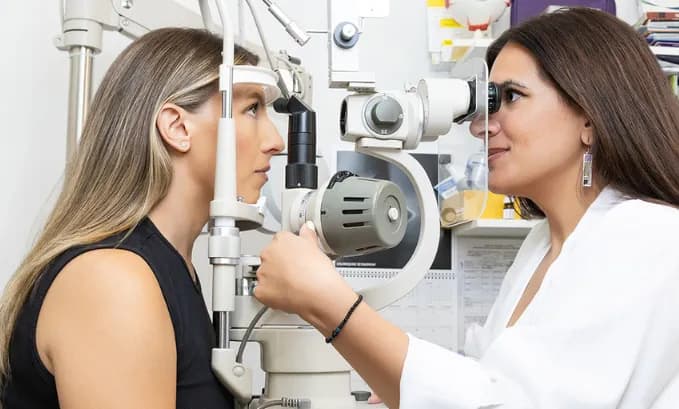
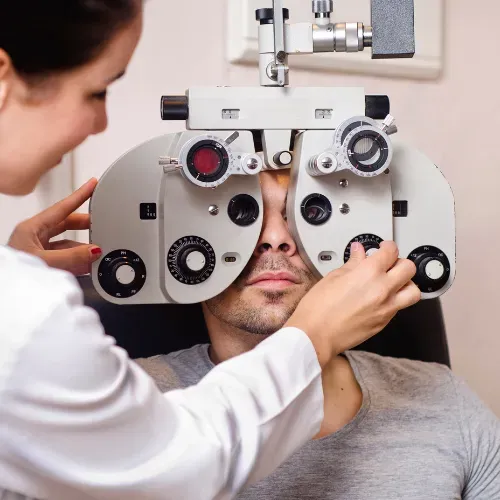
A simple procedure, an eye test in Optyx, New York can provide important information about your vision demands and state of health. Usually, an eye test for reading glasses proceeds as follows:
- The optometrist will use a set of tests to examine your vision at several distances, thereby determining your degree of visual clarity. These tests assist in determining whether you have presbyopia or another disorder perhaps needing vision correction.
- Looking through lenses of different strengths, the refraction test seeks the prescription providing the best clarity of vision. Trying several lenses helps the optometrist find the ideal option for your reading requirements.
- You will be asked to read letters from a chart set at a designated distance on the eye test for reading glasses. This gauges your vision’s clarity and if reading calls for corrective lenses.
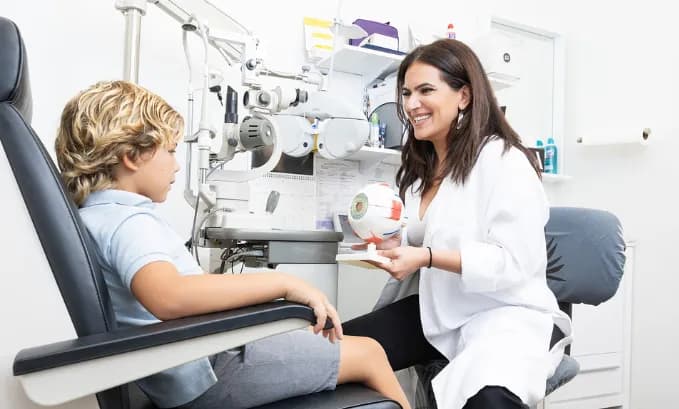
- The optometrist will go over the test findings with you and explain whether reading glasses are advised. Whether your requirement calls for single-vision reading glasses, bifocals, or progressives, they will offer a prescription just for you.
The Role of Eye Test for Reading Glasses in Identifying Vision Changes

Many people, particularly those who have never needed glasses before, may find the idea of an eye test for reading glasses frightening or pointless. Nonetheless, early on identification of vision abnormalities depends critically on eye examinations, which also enable quick intervention and correction. An eye test might identify underlying diseases that might not exhibit symptoms right away but over time would affect vision and eye health.
Routine eye test for reading glasses in Optyx, New York can reveal disorders like glaucoma, macular degeneration, or diabetic retinopathy, for instance, even if they have no direct bearing on the requirement for reading glasses. Early diagnosis of these disorders greatly enhances therapy results and helps to maintain vision.
The Benefits of Reading Glasses
Once you’ve completed an eye test for reading glasses and received a prescription for reading glasses, you’ll notice several benefits that can greatly improve your daily life:
- Reduced Eye Strain: Reading, writing, and using a phone or tablet are much more pleasant when you can help your eyes focus on close-up things without straining by wearing reading glasses.
- Clearer Vision for Daily Tasks: Reading, writing, and using a phone or tablet are much more pleasant when you can help your eyes focus on close-up things without straying by wearing reading glasses.
- Improved Quality of Life: The enjoyment of basic pleasures like reading a good book or getting up on the news increases when one can read comfortably and without strain.
When to Get an Eye Test for Reading Glasses
If you have any of the above described symptoms, you should not wait to have an eye test for reading glasses. For people over forty, annual eye exams are advised since presbyopia generally begins to occur at this age. Younger people who suffer with eye strain or regular headaches from screen use should also give reading glasses some thought.
Apart from looking for reading glasses, eye tests provide a chance to guarantee the general condition of your eyes and identify any problems before they get more critical. One proactive way to preserve your vision and general well-being is by regular eye test for reading glasses.
Embracing the Benefits of an Eye Test for Reading Glasses
A little investment that will greatly affect your quality of life is booking an eye test and acquiring appropriate reading glasses. Knowing whether you need glasses will help you to early manage vision issues, minimize discomfort, and have a better perspective of the world.
Don’t disregard the issue if you find difficulty reading or feel uncomfortable working close up. An eye test for reading glasses can help you recover the enjoyment of reading and other hobbies and you the clarity you need.
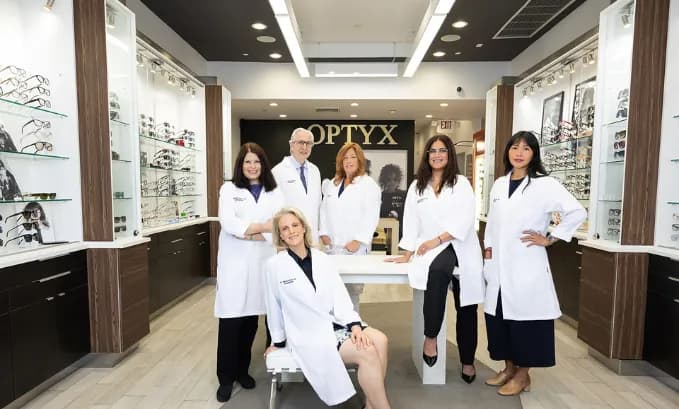
Regarding obtaining an eye exam for reading glasses in New York, Optyx is among the best providers. Optyx guarantees that every eye test is comprehensive and tailored to your needs by means of a staff of seasoned optometrists and modern tools. Our emphasis on patient care guarantees you an exact prescription and professional advice on choosing the appropriate reading glasses to enhance your vision.