Can dry eyes cause glaucoma? While these two conditions do not have a direct cause-and-effect relationship, they overlap more often than most people realize. At OPTYX, we help patients managing both conditions, and understanding the glaucoma dry eye connection is the first step toward protecting your vision.
The Link Between Dry Eye and Glaucoma
Many patients ask can dry eyes cause glaucoma, and it is a valid concern. Both are among the most common eye conditions in adults over 50. Research shows that 40% to 50% of glaucoma patients also have dry eye syndrome – a significant overlap.
Both conditions share risk factors like aging, chronic inflammation and certain systemic medications. Because glaucoma symptoms and dry eyes look similar – redness, irritation, blurred vision – one condition can mask the other. A comprehensive dry eye exam New York patients can trust is essential for accurate diagnosis.
Can Dry Eyes Cause Glaucoma?
So can dry eyes cause glaucoma directly? There is no established evidence for a direct link. Glaucoma results from optic nerve damage linked to elevated intraocular pressure, while dry eye involves insufficient tear production or poor tear quality.
However, chronic inflammation from untreated dry eye syndrome can affect ocular surface health over time. While asking can dry eyes cause glaucoma is understandable, the bigger concern is often the reverse. If you have persistent symptoms, comprehensive eye exams help identify the right dry eye treatment glaucoma patients need.
Does Glaucoma Cause Dry Eyes?
Another common question is does glaucoma cause dry eyes. Glaucoma itself does not typically cause dry eyes. The real concern is that many glaucoma eye drops dry eyes out over time. Using these drops daily for years makes them one of the leading causes of dry eye in this population.
So does glaucoma cause dry eyes? Not directly, but the preservatives in glaucoma medications disrupt the tear film and reduce tear production. For patients with borderline symptoms, glaucoma treatment side effects can push dry eye disease into uncomfortable territory.
How Glaucoma Eye Drops Trigger Dry Eye
The most common culprit is benzalkonium chloride (BAK). Many benzalkonium chloride eye drops used for glaucoma damage the tear film over time. With repeated daily use, BAK damages cells on the eye surface and breaks down the protective tear film.
Beta-blocker drops like timolol reduce tear production, while prostaglandin drops may trigger meibomian gland dysfunction glaucoma patients commonly experience, especially those using multiple drops daily. When eye drops cause dry eyes, the problem compounds – the more drops a patient uses daily, the greater the risk.
Signs Your Glaucoma Drops Are Causing Dry Eye
If you notice these glaucoma symptoms dry eyes may be worsening, your drops could be contributing:
- Burning or stinging after applying drops
- Persistent redness or irritation
- Fluctuating vision, especially in the morning
- A gritty or sandy feeling in your eyes
If you are wondering does glaucoma cause dry eyes from your medication, do not stop your drops without consulting your optometrist. Mention these symptoms at your next appointment so treatment can be adjusted safely.

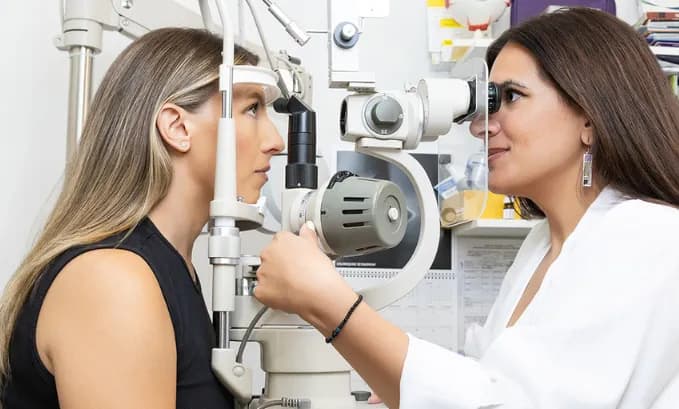
OPTYX uses advanced diagnostic technology to detect both dry eye and glaucoma early.
Managing Dry Eye When You Have Glaucoma
Whether you are asking can dry eyes cause glaucoma or dealing with dryness from your glaucoma drops, dry eye treatment for glaucoma patients requires a balanced approach – relieving discomfort without interfering with therapy.
Preservative-Free Eye Drops
Switching to preservative-free eye drops for glaucoma eliminates BAK exposure and often provides significant relief. Preservative-free eye drops glaucoma patients use today are widely available and just as effective.
Artificial Tears and Lubricants
Apply over-the-counter artificial tears at least 10 minutes before or after your glaucoma drops to avoid diluting your medication.
Lifestyle Adjustments
Simple daily changes can make a real difference:
- Apply warm compresses for 5-10 minutes daily to support meibomian gland function
- Add omega-3 supplements or increase your intake of fish and flaxseed
- Use a humidifier, especially during winter
- Take regular screen breaks using the 20-20-20 rule
Why Regular Eye Exams Matter for Both Conditions
Whether patients ask can dry eyes cause glaucoma or does glaucoma cause dry eyes, the answer always comes back to regular monitoring. Because symptoms often overlap, routine eye exams are essential. Your optometrist monitors dry eye, glaucoma, intraocular pressure and tear film quality together.
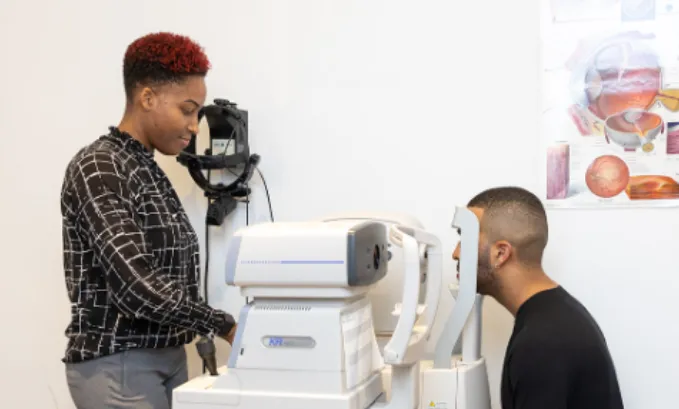
At OPTYX, we evaluate both conditions using Optos ultra-widefield retinal imaging, capturing up to 200 degrees of the retina without dilation to detect glaucoma-related changes alongside dry eye assessment.
If you have a family history of glaucoma, learn about the most accurate glaucoma tests available at OPTYX.
Patients managing glaucoma may benefit from glasses that help with light sensitivity. Women over 50 should know about the link between menopause and dry eyes.

Regular eye exams at OPTYX help detect glaucoma and dry eye before symptoms progress.
Get Expert Care at OPTYX New York
Whether you want to know can dry eyes cause glaucoma or need treatment for both conditions, our optometrists are here to help. OPTYX offers screening across 13+ locations in NYC and Long Island. Book your OPTYX eye exam today.
Frequently Asked Questions
Can dry eyes cause glaucoma?
Dry eyes do not directly cause glaucoma. However, both conditions share risk factors like aging and inflammation. Regular eye exams are the best way to monitor both.
Why do my eyes feel dry after using glaucoma drops?
This is the main reason does glaucoma cause dry eyes comes up so often. Many glaucoma eye drops contain benzalkonium chloride, a preservative that damages the tear film. Beta-blocker and prostaglandin drops can also reduce tear production.
What is the best dry eye treatment for glaucoma patients?
Switching to preservative-free glaucoma drops is often the most effective first step. Artificial tears, warm compresses and omega-3 supplements also help.
Can I use artificial tears with glaucoma medication?
Yes, but apply them at least 10 minutes before or after your glaucoma drops to prevent diluting the medication.
How often should I get an eye exam if I have glaucoma?
Most glaucoma patients should have a comprehensive eye exam every 6 to 12 months. Your optometrist will recommend the right schedule for your needs.
Does OPTYX test for both dry eye and glaucoma?
Yes. OPTYX eye exams screen for both dry eye disease and glaucoma at any of our New York locations.